
Large Clock
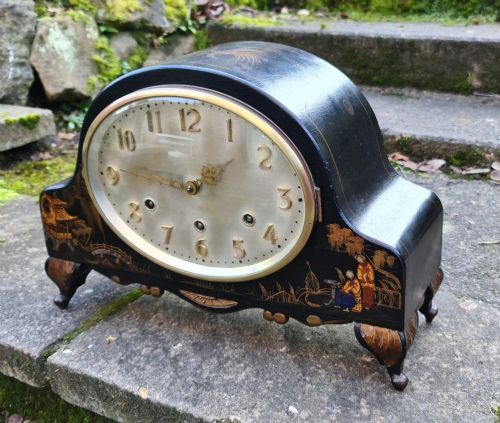
When you search for a large antique clock, you find substantial timepieces spanning centuries, from heavy brass wall dials to ornate porcelain mantel pieces.
Large Clock
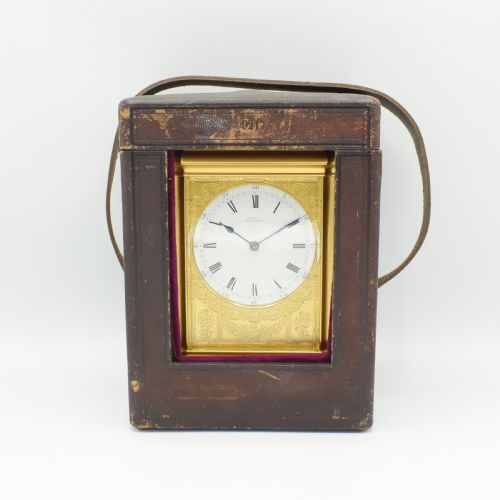
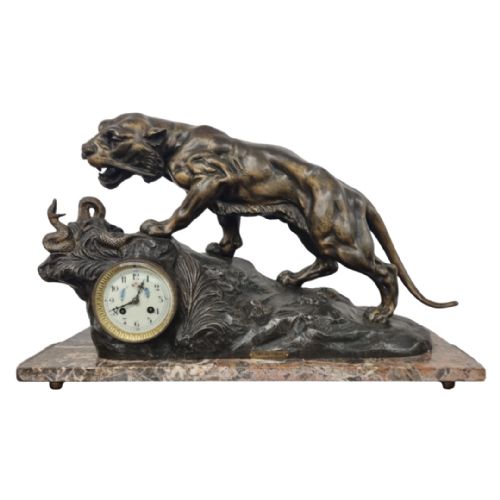
A large antique clock serves as both a functional timekeeper and a dominant architectural element within a room, commanding visual space through sheer scale and presence. When exploring this category, buyers encounter diverse forms ranging from wall-mounted factory dials to heavy marble or gilt bronze mantel pieces.
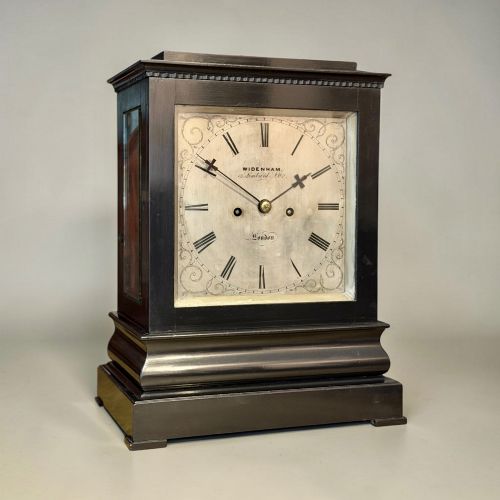
The selections span multiple centuries, with Victorian and Edwardian examples appearing frequently alongside 19th-century French architectural pieces and earlier Georgian designs. Wall clocks, bracket clocks, and heavy carriage designs dominate the available forms, reflecting how different eras chose to display time on a grand scale.
How they were made
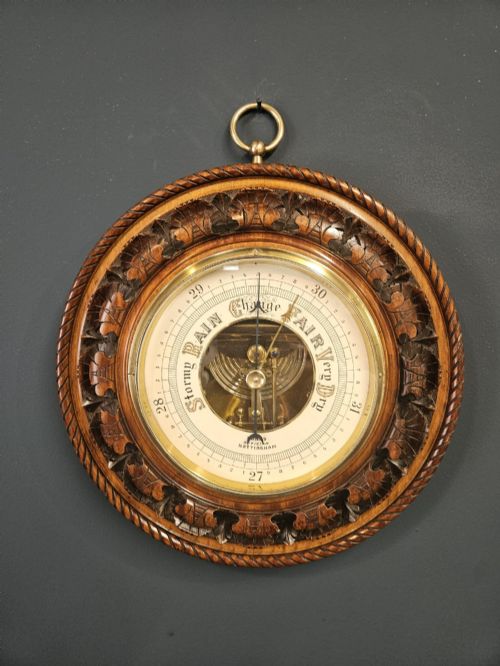
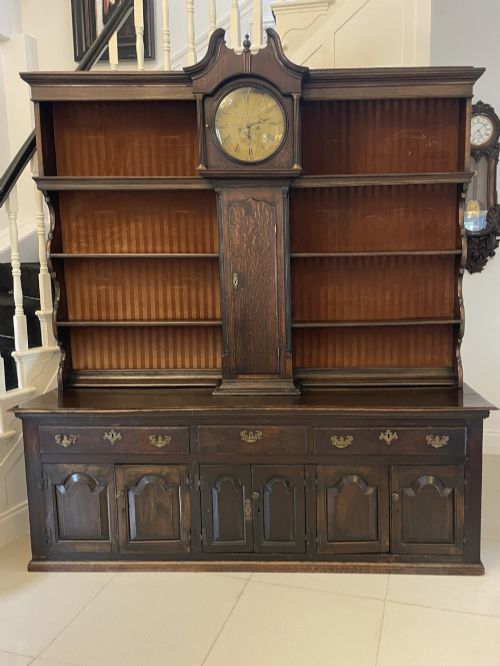
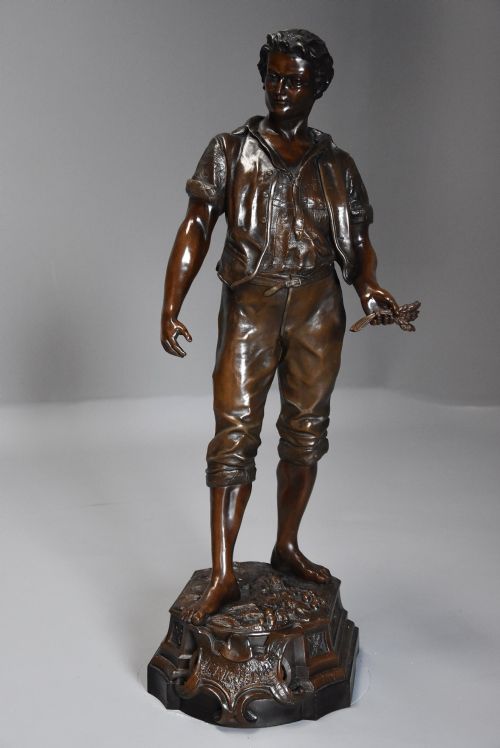
Clockmakers utilised traditional cabinet timbers such as mahogany, walnut, and oak to house complex mechanical movements, often incorporating brass inlay or intricate marquetry. Metalwork played a central role, utilising cast iron, ormolu, gilt bronze, and copper for bezels, dials, and structural cases.
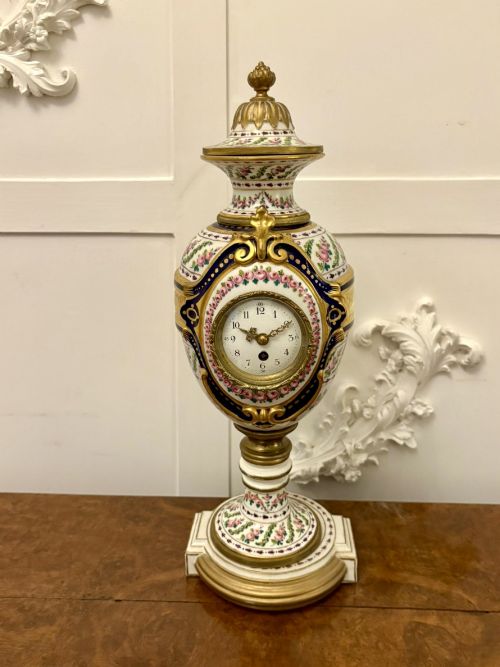
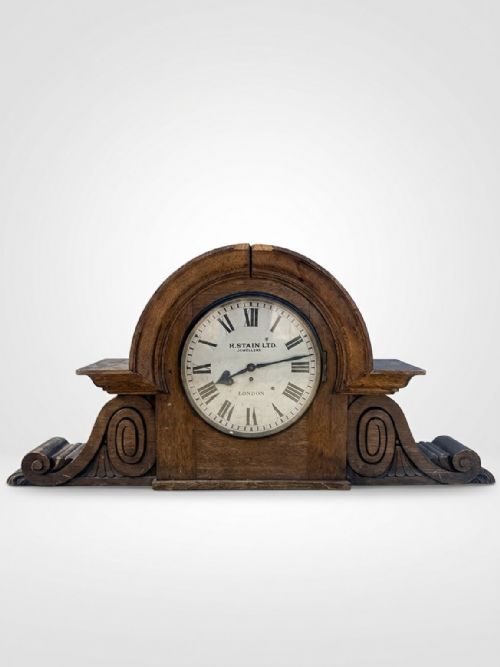
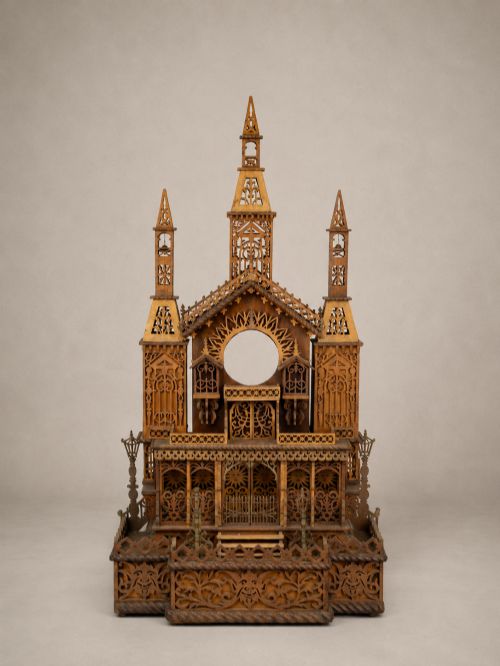
Dials and visual details frequently incorporated white enamel, hand-painted porcelain panels, and visible glass panels to showcase the internal gear train. Large architectural housings relied on skilled joinery and fretwork to support heavy weights and fusee movements safely within domestic and institutional settings.
What varies in quality
The caliber of a large antique clock depends heavily on the precision and complexity of its mechanical movement, such as twin fusee systems or specialised escapements. Signed works by documented makers command greater attention due to the sophistication of their engineering and the accountability of their origin.
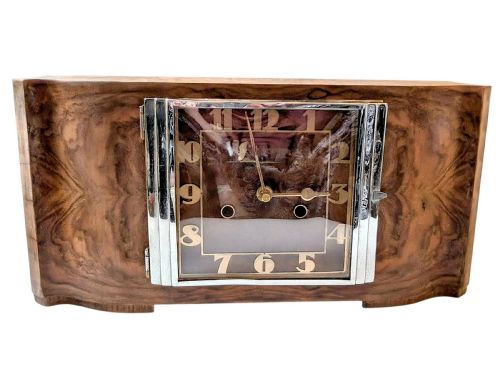
Case construction and material selection also dictate standing, with finely carved walnut, gilt bronze mounts, or hand-painted porcelain marking the upper tier of production. The integration of original brass components, matching copper hands, and well-preserved dials separates standard utilitarian timepieces from exhibition-grade examples.
Henry Harris of Monythuslwyn·Winterhalder and Hofmeier·George Orpwood·Etienne Lenoir·Philippes Paris·John Grant London
The Large Clock Glossary
- Fusee
- A conical pulley used in spring-driven clocks to equalize the torque of the mainspring as it unwinds. This mechanism ensures consistent power delivery to the gear train for greater accuracy.
- Ormolu
- Gilt bronze ornamentation applied to furniture and clock cases, popular in French decorative arts. The technique involves applying a finely ground high-carat gold mercury amalgam to unpolished bronze.
- Bracket clock
- A portable table or shelf clock historically designed to sit upon a matching wall bracket. These pieces often feature sturdy wooden cases and sophisticated chiming or striking movements.
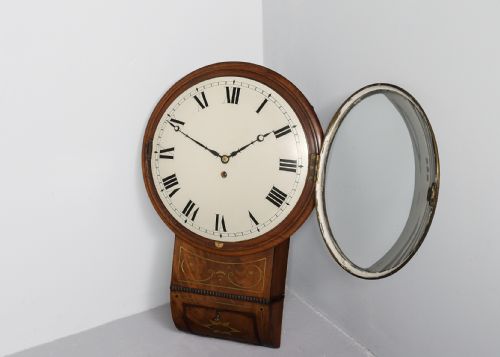
- Dial clock
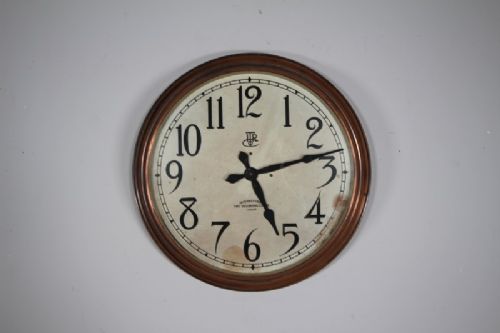
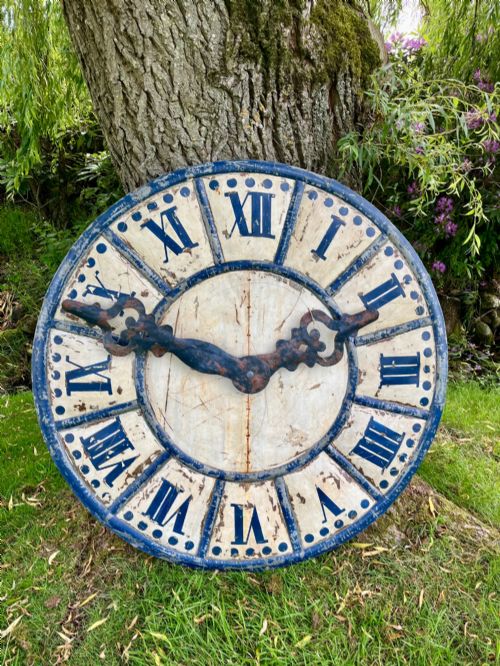
- A wall-mounted clock featuring a prominent circular face, frequently utilised in railway stations, schools, and factories. They rely on clear numerals and simple wooden or metal surrounds for high legibility.
- Goliath pocket watch
- An oversized pocket watch produced around the turn of the twentieth century. These substantial timepieces often required dedicated travel cases or stands for display.
Large Clock: Frequently Asked Questions
Where were large wall clocks used?
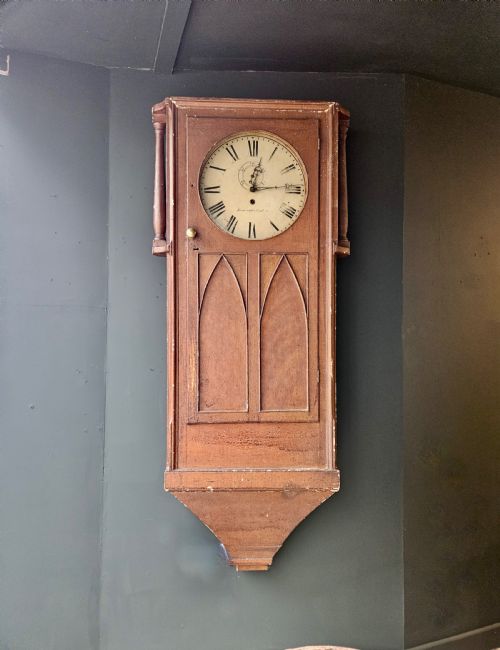
Many large wall clocks originated in institutional settings such as railway stations, schools, and industrial factories where clear timekeeping was essential for large groups. Others were manufactured for public houses and grand domestic hallways.
These pieces required robust timber frames and heavy-duty dials to withstand daily use and maintain visibility across wide rooms.
How do fusee movements work?
A fusee movement uses a conical pulley connected to the mainspring by a fine chain or cord. As the spring loses tension, the chain rides higher up the cone's wider radius to maintain steady torque.
This clever mechanical device prevents the clock from running fast when fully wound and slow as it runs down, ensuring reliable timekeeping.
What is an ormolu clock case?
Ormolu refers to the gilded bronze mounts decorating elaborate clock cases, particularly those of French origin. The technique creates a rich golden finish that contrasts against dark wood or painted porcelain.
These decorative mounts often feature figurative scenes, floral motifs, or classical architectural details that elevate the status of the timepiece.
How do I identify a Victorian mantel clock?
Victorian mantel clocks frequently utilise heavy materials such as black marble, bronze, or hand-painted porcelain urn shapes. Their design vocabulary draws heavily on classical revival styles, architectural pediments, and ornate metal details.
Many incorporate robust eight-day mechanical movements housed behind glass doors, reflecting the period's preference for substantial domestic display items.