




Large Cloche
A large antique cloche brings architectural glass and heavy metal covers to a room, offering protection and presence for objects that demand display.
Large Cloche
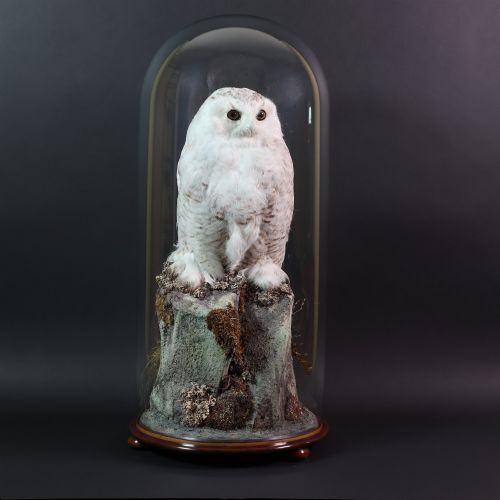
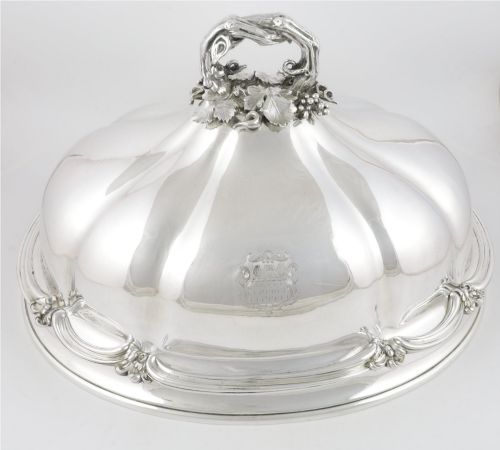
A large antique cloche appears in two distinct forms across Georgian, Victorian, and Edwardian periods: towering glass display domes for taxidermy, specimens, and clocks, alongside heavy metal meat covers designed for the dining table. The tall glass display domes sitting on ebonised wood bases represent the pieces most frequently met on this page.
These covers span the Georgian, Regency, Victorian, and Edwardian eras, bridging the functional requirements of domestic service and the Victorian enthusiasm for scientific specimen gathering. Makers and manufacturers produced both heavy silver plated covers and expansive blown glass covers to suit refined interiors.
Materials and construction
Glass domes take shape through traditional mouth-blowing techniques, resulting in thick walls and occasional bubbles that catch the light. These glass covers rest upon timber bases, frequently finished in ebonised wood to provide a stable foundation.
Metal meat covers utilise Old Sheffield Plate, combining copper and silver to create robust covers that retain a warm metallic lustre. Silver plating techniques applied over base metals provide the reflective surfaces seen on Victorian examples.
Large Cloche Retail Price Guide 2026
Typical asking prices for large cloche among the pieces listed under this phrase on Sellingantiques today, from the lower quarter to the upper quarter. They describe what is for sale here now, not the wider market.
Professor's specimen domes once safeguarded bizarre academic collections, turning Victorian studies into private cabinets of curiosity.
Quality and proportion
Quality rests upon the clarity and thickness of the glass, where heavier blown domes with minimal distortion separate finer examples from standard production. Metal covers demonstrate superior manufacture through substantial weight, crisp crests, and balanced proportions.
The integrity of the original wooden base dictates the overall standard of a glass dome, with timber components matching the age and wear of the glass above. Maker attribution, such as the work associated with Roberts Cadman or Boulton, elevates the standing of metal food covers.
Roberts Cadman·Boulton
The Large Cloche Glossary
- Cloche
- A bell-shaped glass or metal cover used historically for protecting food or displaying delicate objects. The term covers both glass display domes and metal dining covers.
- Old Sheffield Plate
- A fused composite material made by applying a thin sheet of silver to a thicker copper core. This technique precedes modern electroplating and produces a distinctive edge where the base metal shows.
- Ebonised wood
- Timber treated with a dark stain or finish to imitate ebony. This dark wood frequently forms the heavy circular bases for glass display domes.
- Taxidermy dome
- A tall glass cover designed to protect preserved birds, animals, or botanical specimens from dust and moisture. These enclosures are typically mounted on timber display stands.
- Meat dome
- A large metal cover placed over joints of meat on the dining table to retain heat. These covers often feature decorative handles and engraved crests.
Large Cloche: Frequently Asked Questions
What fits under a glass cloche?
Large glass cloches suit carriage clocks, taxidermy specimens, coral, and dried botanical arrangements. The height and diameter of the dome dictate the scale of the object placed beneath.
Interior spaces benefit from the vertical lines of tall domes, which draw the eye upward while keeping dust away from delicate items.
How do I clean old glass domes?
Warm water and mild soap clean the interior and exterior of heavy glass domes effectively. Care must be taken when lifting thick mouth-blown glass due to its considerable weight.
Wooden bases require dry dusting rather than moisture to preserve the ebonised finish and prevent warping of the timber.
What is the difference between a meat dome and a display dome?
Meat domes utilise silver plate or Old Sheffield Plate to cover food on dining tables, featuring cast handles for lifting. Display domes consist of clear blown glass resting on wooden platter bases for ornamental use.
Dining covers focus on metal craftsmanship and heat retention, whereas display pieces prioritise glass clarity and specimen visibility.
How do I date an antique dome?
Georgian and Regency metal domes display hand-finished silver plating techniques and engraved family crests. Victorian and Edwardian glass domes show variations in bubble distribution, base thickness, and the timber mouldings of the ebonised stands.
Examining the weight of the glass and the construction methods of the wooden base helps establish the period of manufacture.