

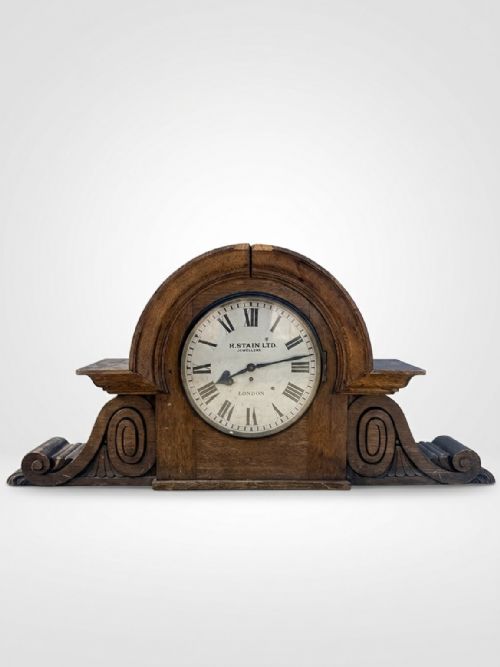



Clock Display Case
Clock display case items protect and showcase horological pieces behind glass, ranging from Victorian domes to Edwardian wooden enclosures.
Clock Display Case
A clock display case preserves delicate timepieces and specimens from dust and handling, utilising glass covers paired with wooden bases. When searching for a clock display case, buyers encounter items spanning the Victorian and Edwardian periods.
The inventory includes tall glass domes, ovoid specimen covers, and specific enclosures designed for carriage or mantel clocks. Ebonised wood, pine, and fabric linings feature prominently across these historical protective forms.
Originating largely from English and 19th Century French workshops, these pieces combine functional preservation with visible display capabilities. Collectors select them to house mantel clocks alongside taxidermy and botanical specimens.
How they were made
Glass blowing techniques produced the clear domes and cloches seen in the inventory, requiring skilled manipulation to achieve tall or ovoid shapes without distortion. These protective covers rest upon turned wooden bases fashioned from pine, walnut, or ebonised wood.
Interiors frequently incorporate fabric elements such as velvet, felt, or cloth linings to cushion the displayed objects. Structural stability relies on fitted wooden channels or carved surrounds that secure the glass firmly to its base.
Clock Display Case Retail Price Guide 2026
Typical asking prices for clock display case among the pieces listed under this phrase on Sellingantiques today, from the lower quarter to the upper quarter. They describe what is for sale here now, not the wider market.
Listings feature items from the Victorian and Edwardian eras, incorporating materials such as glass, ebonised wood, pine, velvet, and felt.
What varies in quality
The clarity and weight of the glass differentiate standard enclosures from superior examples, with older blown glass often displaying subtle historical imperfections and greater thickness. Base construction similarly ranges from simple turned pine to finely carved walnut with detailed mouldings.
Interior presentation varies according to the original fabric lining and the precision of the fit between the glass cover and the wooden groove. Superior pieces maintain original internal cloths and well-preserved ebonised or polished timber surfaces.
The Clock Display Case Glossary
- Dome
- A convex glass cover designed to protect objects while allowing all-round visibility. These typically sit upon a matching wooden or fabric-lined base.
- Cloche
- A bell-shaped glass cover utilised historically for protecting delicate items or specimens from dust. The term derives from the French word for bell.
- Ebonised wood
- Timber treated with a dark finish to imitate expensive ebony. This dark surface provides a contrasting frame for glass display covers.
- Ovoid
- An egg-shaped form applied to certain glass domes in the inventory. This curved profile offers specific interior clearance for taller timepieces.
Clock Display Case: Frequently Asked Questions
What fits inside a clock display case?
These enclosures accommodate mantel clocks, carriage clocks, and pocket watches alongside botanical specimens or taxidermy. The internal height and width determine whether a specific timepiece fits beneath the glass.
Buyers select specific dome shapes, such as tall or ovoid variants, to match the proportions of individual clocks.
How do I date a clock display case?
Dating relies on material characteristics, base timber construction, and the manufacturing traits of the glass. Victorian examples often feature heavy blown glass and ebonised or pine bases.
Edwardian pieces share similar protective functions but reflect the turn-of-the-century aesthetic in their woodwork and interior fabric linings.
Were these cases made specifically for clocks?
Many enclosures served multiple purposes, housing taxidermy, botanical collections, and scientific specimens alongside horological items. The listings include dedicated mantel clock domes and carriage clock cases.
Interiors lined with velvet or felt provided a secure surface for both mechanical timepieces and delicate display objects.
How do I maintain the glass and wood?
Gentle cleaning with a soft cloth preserves both the historical glass domes and the underlying wooden bases. Avoiding harsh chemical cleaners protects aged finishes like ebonised wood and fabric linings.
Regular dusting prevents particulate buildup on the delicate surfaces inside the enclosure.