
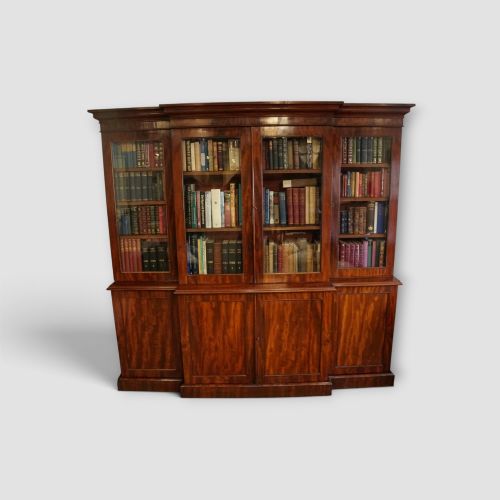
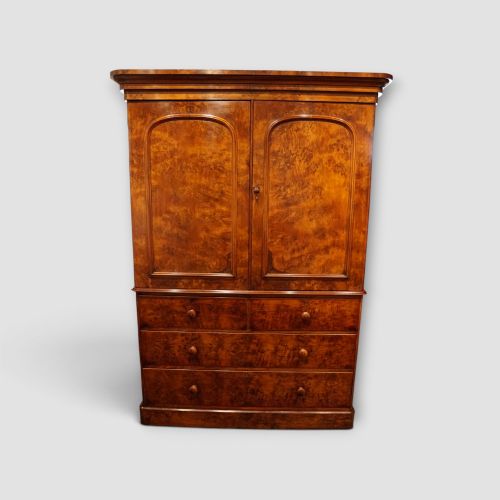
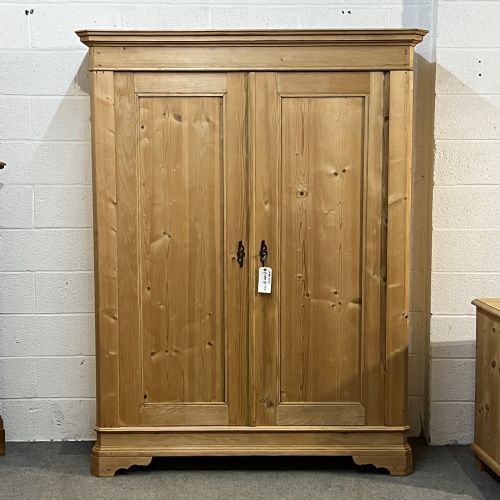
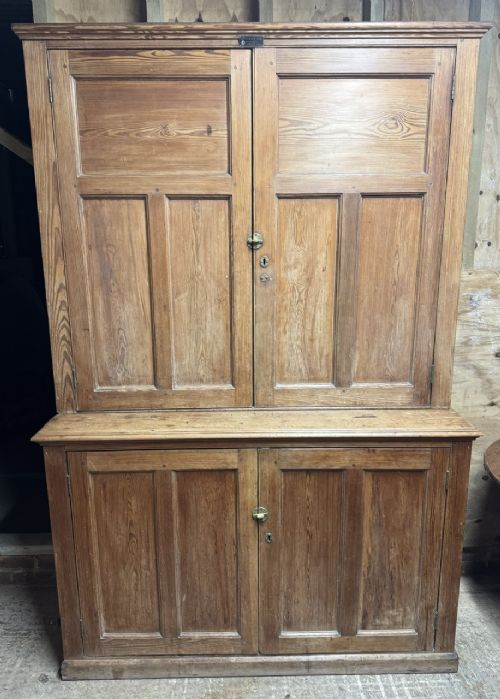
Large Cabinet Cupboard
A large antique cabinet cupboard offers substantial storage and commanding presence, combining practical utility with centuries of fine joinery.
Large Cabinet Cupboard
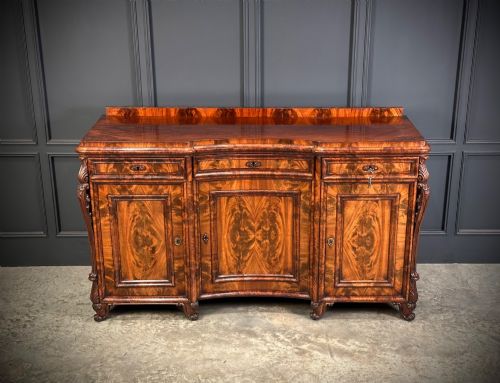
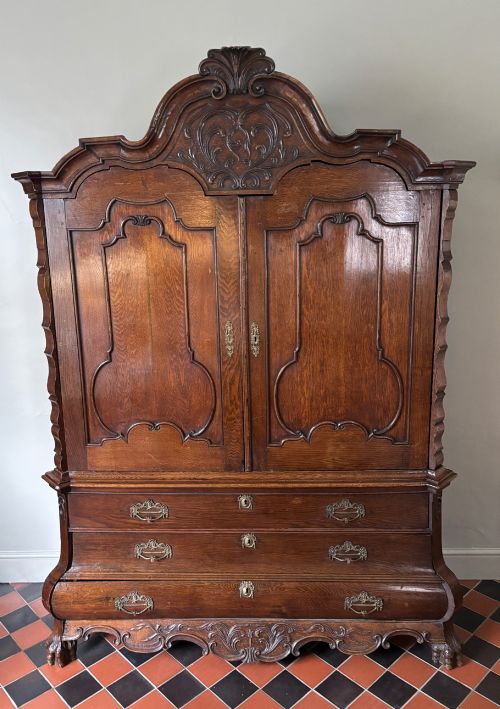
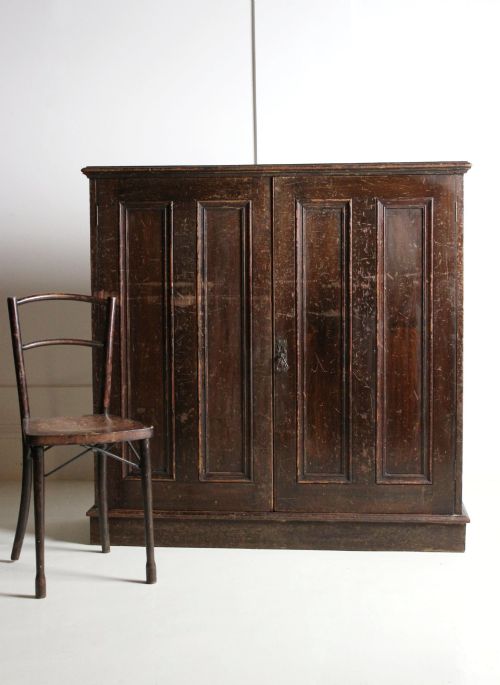
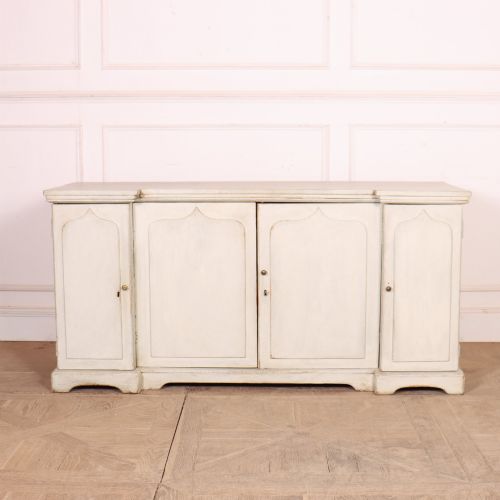
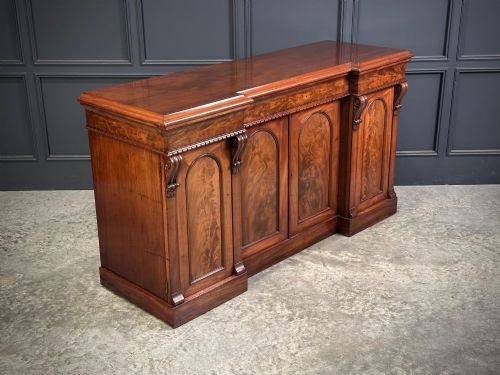
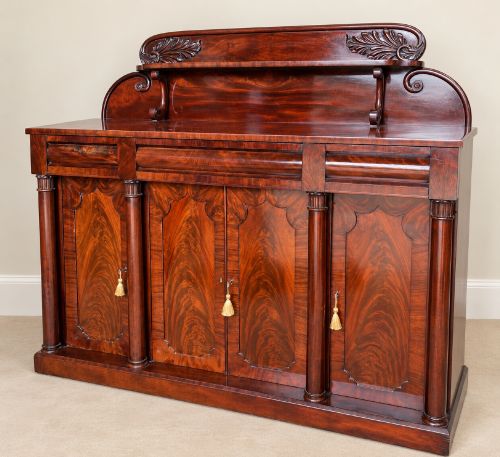
A large antique cabinet cupboard brings monumental presence to a room, functioning primarily as a serious storage vessel or a grand display piece. When you search for a large antique cabinet cupboard, you encounter substantial freestanding timber furniture designed to hold books, linen, kitchen provisions, or household collections.
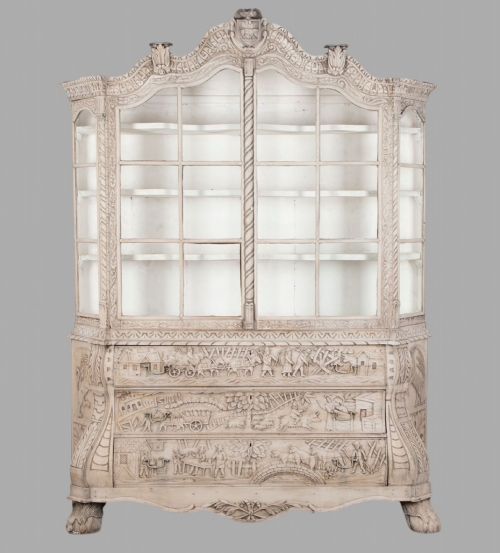
The pieces appearing on this page span the eighteenth, nineteenth, and early twentieth centuries, drawing on Victorian, Edwardian, and Georgian eras. You will frequently find tall pine wardrobes, breakfront bookcases, glazed display cabinets, and housekeepers cupboards originating from English, French, Dutch, and Scottish workshops.
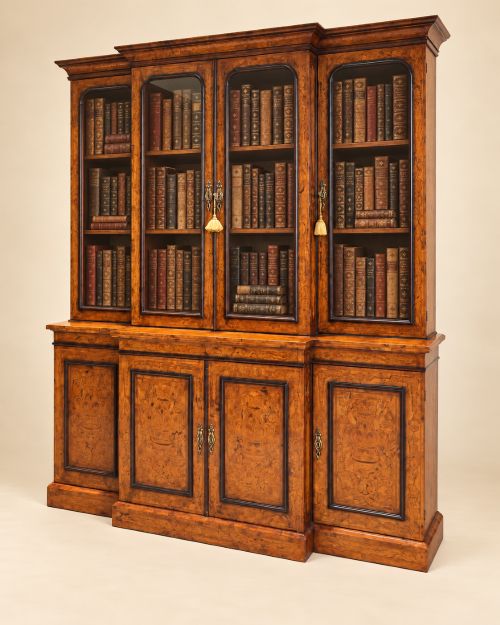
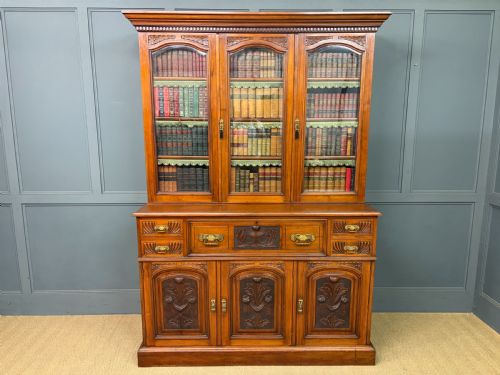
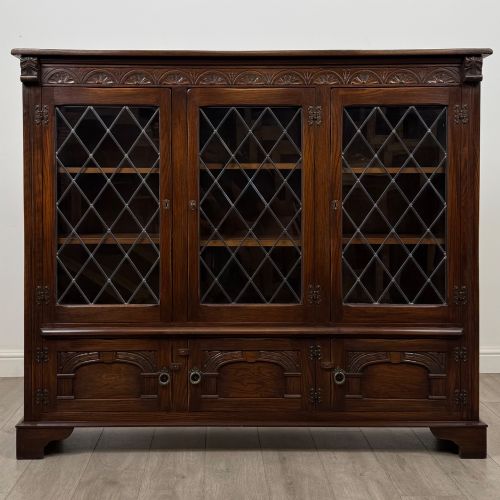
Many survivors take the form of corner cupboards, dresser bases, or library bookcases outfitted with panelled doors, drawers, and glazed upper sections. These robust storage solutions range from utilitarian country pine to architectural mahogany showpieces designed for formal domestic interiors.
Materials and Construction
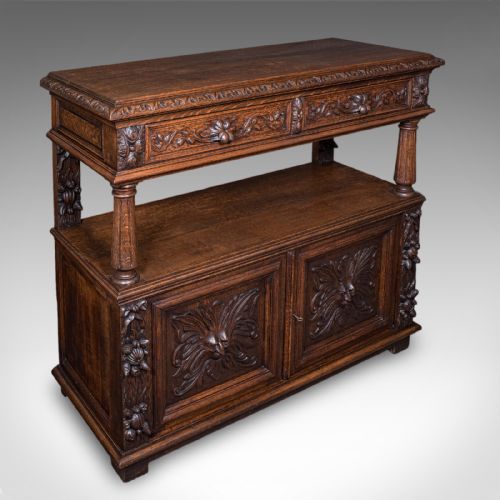
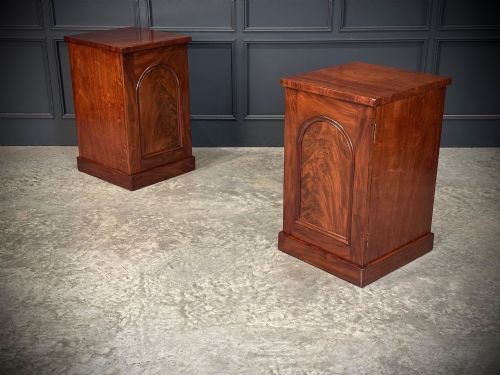
Cabinet makers relied heavily on domestic and imported hardwoods like mahogany, oak, walnut, and cherry, alongside practical softwoods such as pine. Artisans applied flame veneers, intricate carving, and brass hardware to elevate the surfaces of formal pieces.
Construction methods prioritised durability through pegged mortise and tenon joints, hand-dovetailed drawers, and heavy timber framing. Glazed doors utilised individual timber glazing bars to hold glass panes securely within large bookcase frames.
Many utilitarian pine cupboards were built as knockdown structures for ease of transport and assembly in large estates. Interior configurations often incorporated adjustable shelving, banks of drawers, and original locking mechanisms with working keys.
The listings here include furniture built from mahogany, oak, pine, walnut, and cherry across Victorian, Edwardian, and eighteenth-century periods.
Judging Quality
Quality rests in the selection of timber, visible in the dramatic grain patterns of flame mahogany or figured walnut versus plain utilitarian pine. Superior examples display precise joinery, harmonious proportions, and crisp architectural carving that reflects the makers' skill.
Originality dictates value, separating pieces that retain their original glass, brass handles, and backboards from those heavily altered or stripped over time. The structural integrity of heavy doors and large breakfront bodies reveals whether a piece was built by a master workshop or a local carpenter.
The Large Cabinet Cupboard Glossary
- Breakfront
- A large cabinet design where the central section projects forward from the flanking wings. This architectural layout creates depth and visual rhythm across large bookcases and sideboards.
- Bombe
- A swelling, convex curved furniture profile associated with continental European cabinet making. This shapely contour demands advanced timber-bending and carving techniques.
- Enfilade
- A long sideboard or cabinet designed for serving food or storing dining provisions. The form often incorporates multiple doors and drawers across a continuous linear front.
- Glazing Bars
- The slender wooden strips that divide a glass windowpane into smaller segments within a cabinet door. Original bars indicate early construction before mass-produced single sheets of glass became standard.
Large Cabinet Cupboard: Frequently Asked Questions
How do I care for antique timber furniture?
Keep large wooden cupboards away from direct heat sources and strong sunlight to prevent the timber from warping or splitting. Maintaining stable room humidity preserves the joints and historic polish.
Apply traditional beeswax periodically to nourish dry wood surfaces and maintain a soft, protective lustre without sealing the grain under modern synthetic finishes.
Where were large cupboards placed historically?
Large cabinet cupboards served specific domestic functions in formal libraries, grand dining rooms, kitchens, and estate larders. Tall bookcases lined study walls, while housekeepers cupboards managed provisions.
Corner cupboards utilised awkward intersections in modest rooms, whereas massive breakfront wardrobes and linen presses anchored bedrooms and dressing quarters.
Are knockdown wardrobes difficult to assemble?
Knockdown wardrobes were engineered in sections so staff could dismantle and transport massive furniture pieces between rooms or different properties. They use interlocking timber frames and wedges rather than permanent glue.
Reassembling them requires patience to align the heavy pine panels and doors correctly so the frame remains square and level on the floor.