

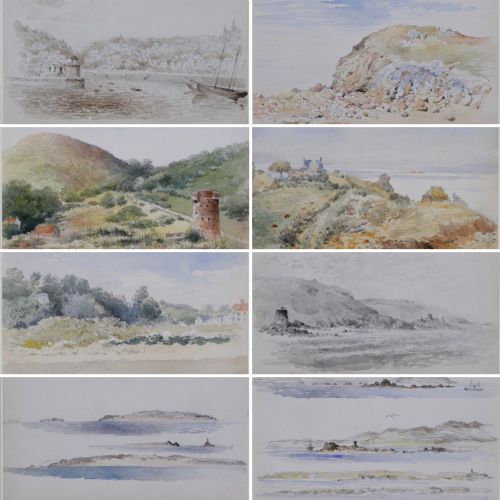
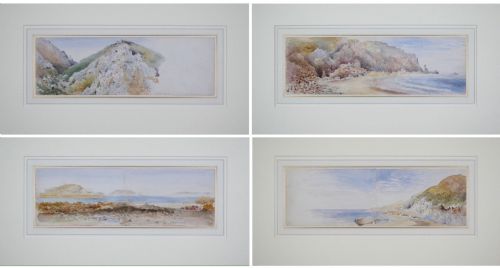
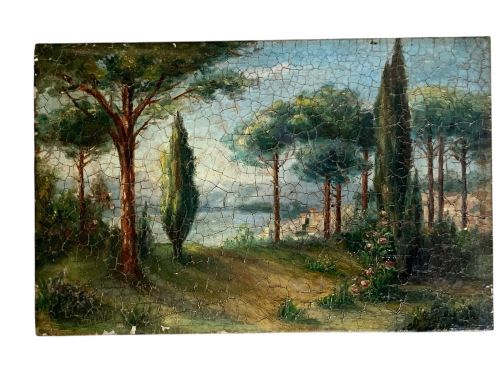
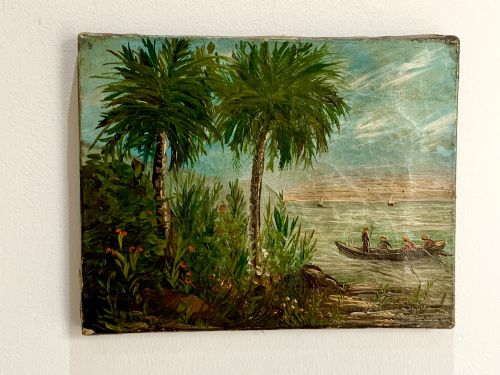
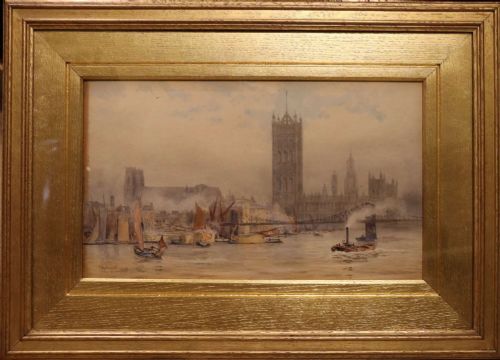
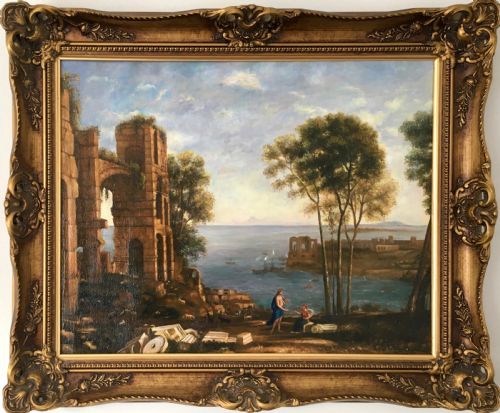
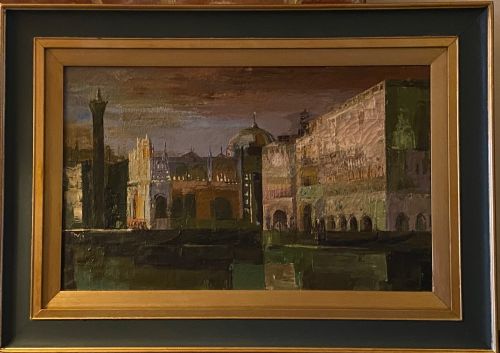
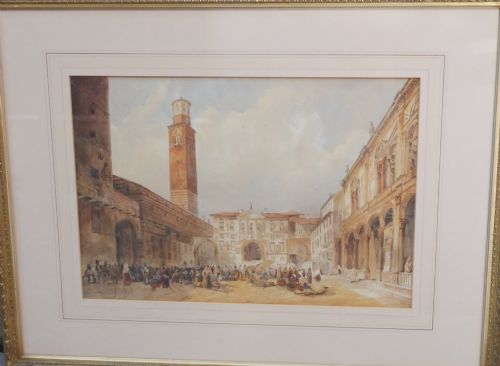
Landscape View Painting
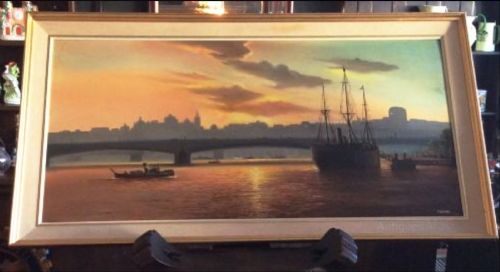
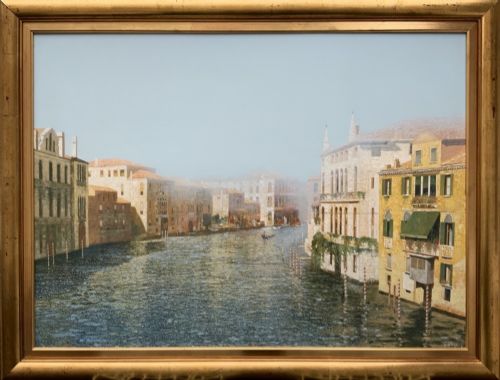
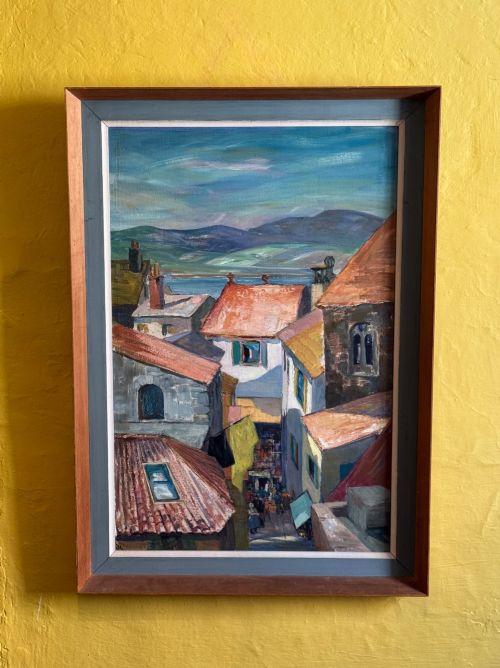
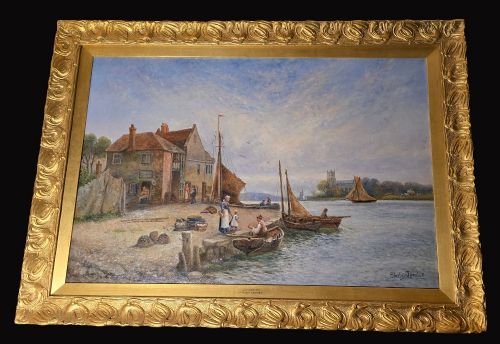
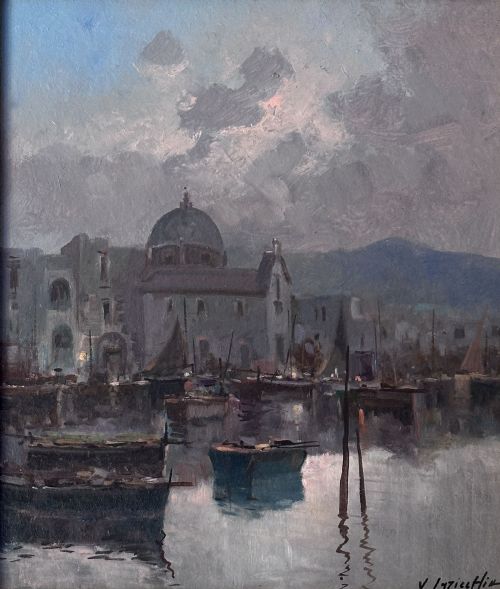
A landscape view painting captures a specific place or vista, bringing the depth of the countryside, coast or city into an interior space.
Landscape View Painting
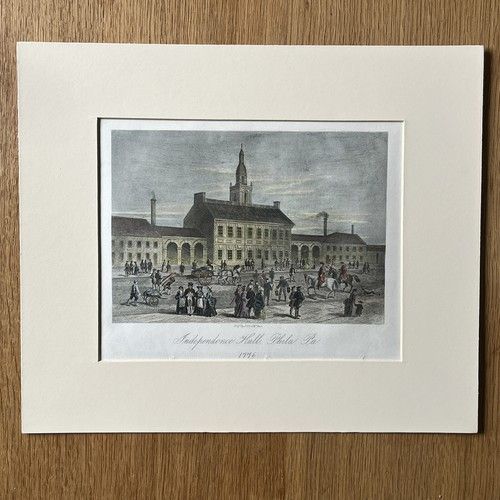
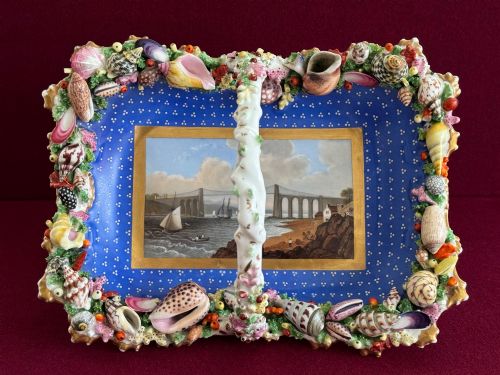
A landscape view painting depicts scenery ranging from rural vistas and coastal harbours to urban streets and architectural landmarks. When searching for a landscape view painting, buyers encounter works created across multiple periods including the Georgian era, Victorian period, and mid-century years.
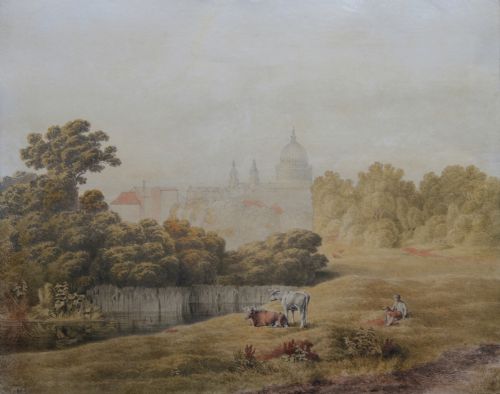
The selections span traditional oil on canvas and delicate watercolour paintings on paper. These pieces frequently record specific locations across Britain, France, Italy, and beyond, offering topographical interest alongside artistic merit.
Works on this page include both framed watercolours by named watercolourists and substantial oil paintings set in gilded wood frames. Subjects range from tranquil river scenes and mountain ranges to bustling harbour views.
Materials and Technique
Painters utilised oil paint applied to canvas, board, or paper, building up pigment and texture to create atmospheric light and depth. Watercolour paintings on paper employ thin washes of translucent colour, often finished with gum arabic for tonal richness.
Supporting these works, makers used wooden stretchers, backing boards, and elaborate frames finished with gold leaf or gilt. Canvases are secured within traditional timber frames, occasionally featuring ornate moulded ornamentation typical of Victorian and later periods.
Landscape View Painting Retail Price Guide 2026
Typical asking prices for landscape view painting among the pieces listed under this phrase on Sellingantiques today, from the lower quarter to the upper quarter. They describe what is for sale here now, not the wider market.
Listings feature works executed in oil on canvas, oil on board, and watercolour on paper, spanning the Georgian period to mid-century modern.
Quality Variations
The distinction between works rests upon the artist's handling of light, perspective, and atmospheric detail within the composition. Masterly brushwork and confident draughtsmanship elevate a topographical record into a compelling visual statement.
Framing also contributes significantly to the character of a piece, with period frames featuring hand-carved giltwood or composition ornament holding greater artistic integrity than later replacements.
Stanley Leader·Sushila Singh·William Mellor·H Medlycott·Harald Foss·Erich Mercker·Alfred George Morgan·Thomas Cooper Moore·Gyrth Russell·Cuthbert Crossley·Reginald Grange Brundrit·Henry John Kinnaird·Ron Folland·George Hilditch·William George Meadows
The Landscape View Painting Glossary
- Oil on canvas
- Pigment mixed with drying oil applied to a woven fabric stretched across a wooden frame. This primary support allowed artists to build rich surface textures.
- Watercolour
- A paint consisting of colour suspended in a water-soluble binder, traditionally applied to paper. It permits luminous washes and fine linear detail.
- Capriccio
- An architectural painting combining buildings, ruins and other architectural elements in a fictional fantastical arrangement. Artists frequently employed this style for Italian views.
- Gilt
- A thin layer of gold leaf or gold paint applied to wood or gesso surfaces. It provides a reflective decorative border for traditional picture frames.
Landscape View Painting: Frequently Asked Questions
What subjects appear in these paintings?
The subjects include coastal scenes, river banks, city streets, and mountain ranges across Britain and continental Europe. Artists recorded specific towns, ports, and architectural landmarks from life.
Many works document recognisable locations such as London, Venice, Rome, and various rural landscapes from the nineteenth and twentieth centuries.
How do I date an oil painting?
Dating relies upon examining the canvas type, stretcher construction, framing materials, and the artist's recorded working period. Stylistic clues within the clothing, architecture, and vegetation depicted also provide chronological markers.
Signatures, inscriptions on the reverse, and exhibition labels frequently offer definitive dates or narrow windows of creation.
Are watercolours framed differently from oils?
Watercolours require framing behind glass to protect the delicate paper support and water-soluble pigments from atmospheric moisture and dust. They typically incorporate a card mount to separate the paper surface from the glazing.
Oil paintings on canvas or board remain unglazed, allowing the textured paint surface to interact directly with ambient light in the room.
How do I care for antique canvas art?
Antique canvas pieces require placement away from direct sunlight, high humidity sources, and rapid temperature fluctuations that can cause paint cracking or canvas warping. Gentle dusting with a soft, dry brush maintains the surface.
Avoid using liquid cleaners or chemical solvents on the paint or the gilt frame to preserve the original finish.