


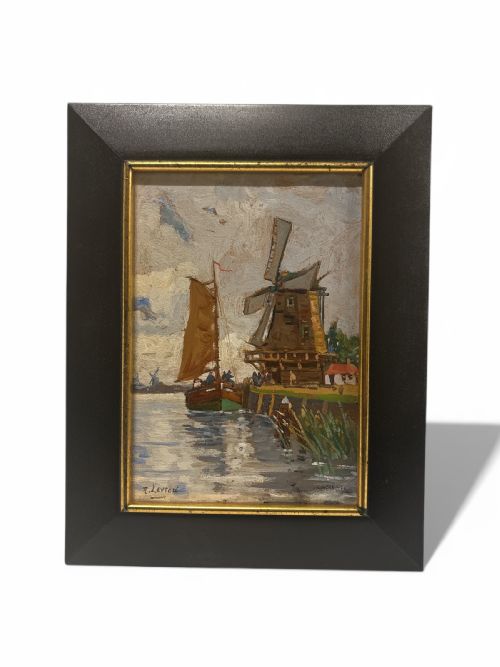
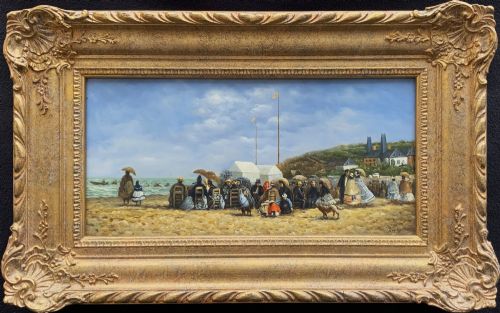
Landscape Painting Frame
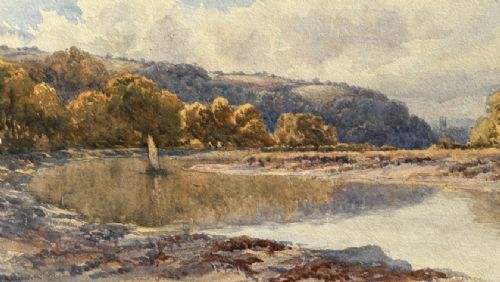
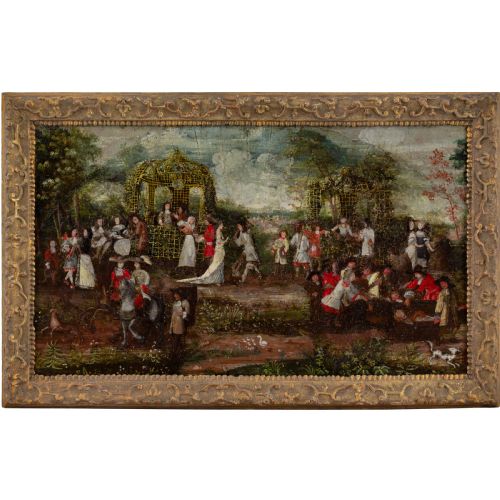
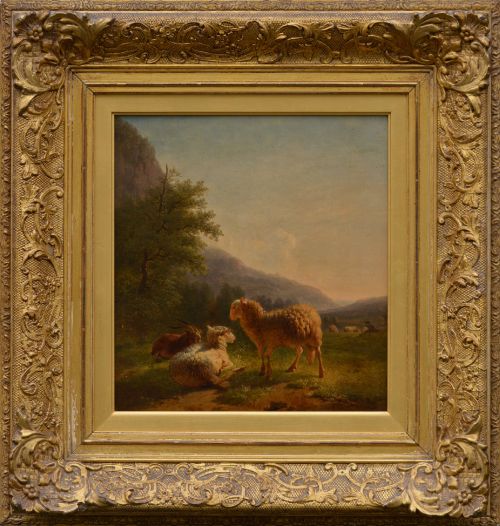
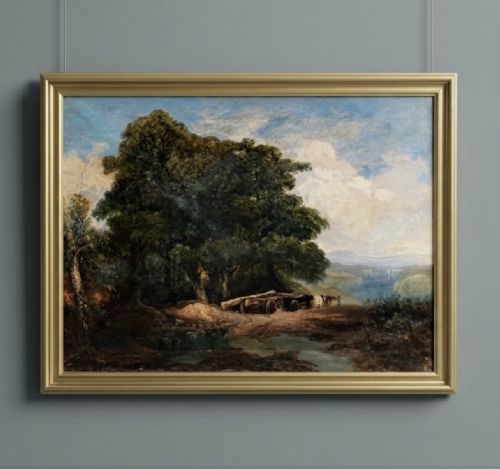
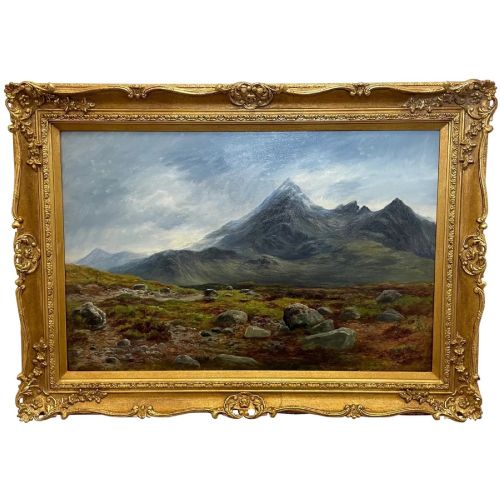
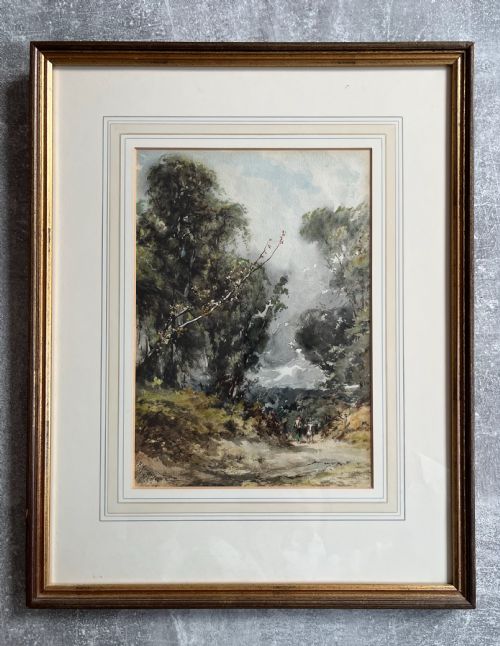
When you search for a landscape painting frame, you are looking at the protective and decorative housing that brings historical oil paintings, watercolours, and panels together.
Landscape Painting Frame
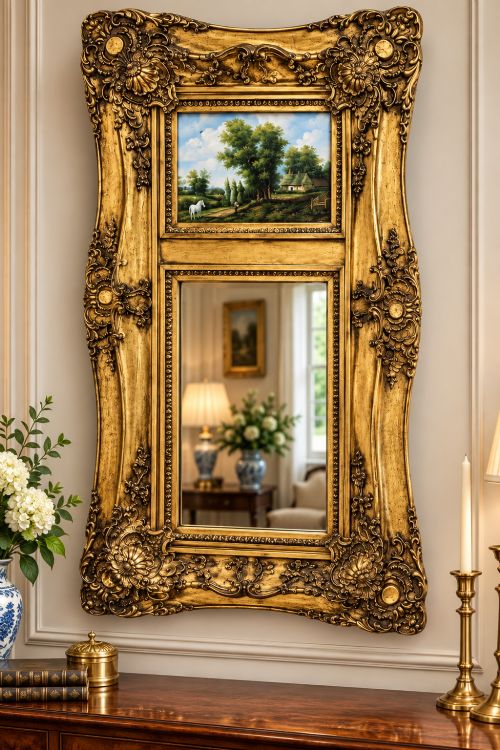
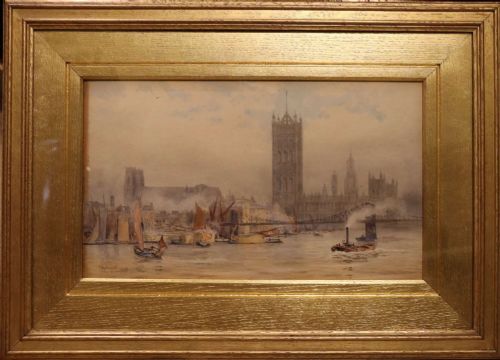
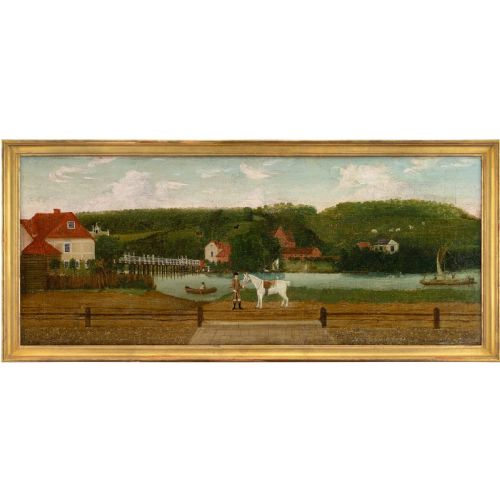
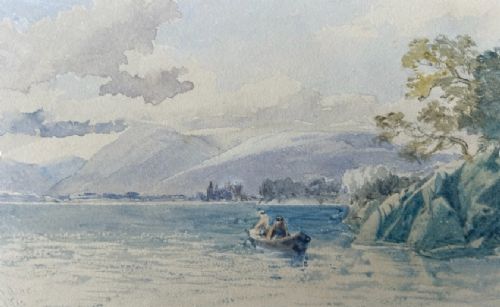
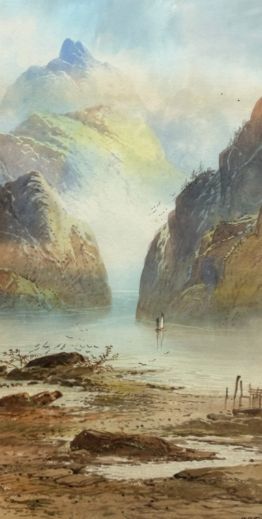
A landscape painting frame houses works spanning from the late seventeenth century through the Victorian and Edwardian periods up to the mid-twentieth century. The selection includes original oil paintings on canvas and wood panels, watercolours on paper, and dedicated wall mirrors.
Most examples originate from British and European schools, capturing pastoral river scenes, mountain views, coastal watercolours, and rural cottages. The inventory combines the primary artwork with its period enclosure, often preserved in original or contemporary giltwood and carved wooden mouldings.
How they were made
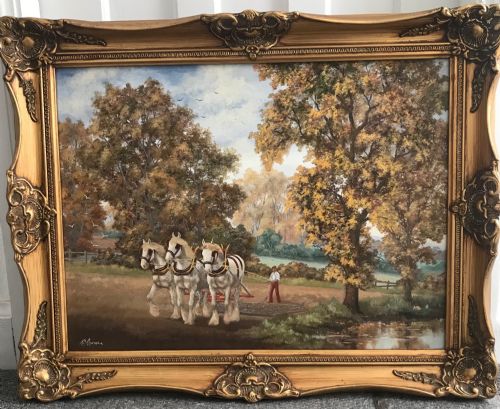
Makers constructed these housings predominantly from wood, employing carved plaster or composition ornaments to build up floral, Baroque, and Rococo motifs. Gilding was applied using gold leaf or metallic paint over prepared gesso bases, while simpler variations relied on natural wood finishes such as oak or burr walnut.
Canvases and panels were secured within rebated wooden profiles, occasionally accompanied by glass glazing for delicate watercolours and works on card or milk glass. Frame construction methods varied from pegged mitred corners on heavy structural surrounds to decorative slip frames fitted inside larger outer mouldings.
Listings feature oil paintings, watercolours, and wall mirrors spanning the 18th, 19th, and 20th centuries, housed in wood and gilt wood frames.
What varies in quality
The distinction between tiers rests upon the depth of hand-carving in the wooden mouldings versus the standard application of moulded composition ornament over basic timber. Substantial, heavy period frames with crisp floral or foliate detailing demonstrate superior craftsmanship compared to simpler, flat-profile substitutes.
Originality forms another divider, as housings that have retained their primary gilding and match the exact nineteenth or early twentieth-century date of the enclosed landscape hold greater cohesion. The integration between the artwork and the rebate depth, sweep, or corner ornamentation determines the overall harmony of the piece.
David Law·William Beattie Brown·Thomas Miles Richardson Jnr·William Henry Earp·Arthur Wardle
The Landscape Painting Frame Glossary
- Gilt Wood
- Wood that has been coated with gold leaf or a gold-coloured metallic finish, frequently seen on Victorian and Edwardian landscape painting frames.
- Rebate
- The recessed internal step or channel in the back of a frame designed to hold the canvas, panel, or glass securely in place.
- Baroque Rococo
- An ornate decorative style featuring scrolling curves, asymmetry, and elaborate floral motifs used on eighteenth and nineteenth-century picture frames.
- Milk Glass
- An opaque white or tinted glass occasionally used as a rigid substrate for pastoral landscape oil paintings during the nineteenth century.
- Swept Frame
- A frame moulding featuring undulating, curving profiles that swell at the centres and corners, popular for nineteenth-century oil paintings.
Landscape Painting Frame: Frequently Asked Questions
How do I date a picture frame?
Dating relies on examining the timber types, corner construction methods, and the composition ornament styles applied to the wooden moulding. Earlier pieces from the eighteenth and early nineteenth centuries often feature hand-carved details and pegged joints rather than mass-produced plaster composition.
Changes in moulding profiles and gilding techniques across the Victorian and Edwardian eras further help align the frame with the period of the landscape artwork it houses.
Are watercolours framed differently from oils?
Waterworks on paper require protection behind glass to prevent atmospheric damage, whereas oil paintings on canvas or wood panels are typically left unglazed. Consequently, frames intended for watercolours often include internal mounts and glazing rebate structures.
Heavy oil painting frames are built with deeper rebates and sturdier wooden members to support the weight of stretched canvas and wooden support panels.
Can I swap the painting inside?
Changing the artwork is possible provided the rebate dimensions, depth, and internal height match the canvas or panel you wish to insert. However, many collectors prefer keeping original nineteenth or early twentieth-century pairings intact where the frame and landscape were designed for each other.
Altering historic housings risks damaging fragile gilt surfaces or original corner joints that have stabilised over centuries.