


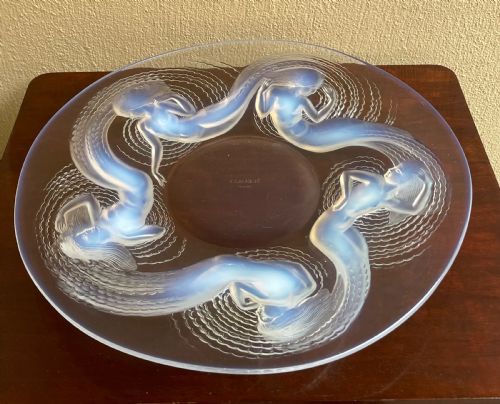


Lalique Glass Bowl
A lalique glass bowl brings the sculptural weight and luminous milk-blue glow of early twentieth-century French design directly to a tabletop.
Lalique Glass Bowl
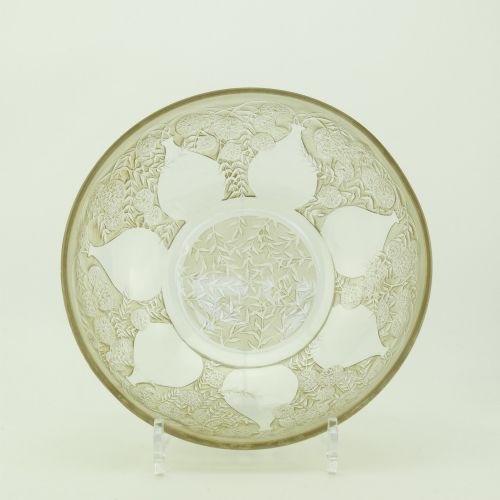
A lalique glass bowl is a decorative vessel produced during the early twentieth century, spanning the Art Nouveau and Art Deco periods, drawing collectors who appreciate tactile glass forms. When searching for a lalique glass bowl, buyers encounter shallow coupe ouverte designs, deep centrepiece vessels, and flat plates shaped with organic or geometric motifs. The versions most commonly met on this page date from the nineteen-twenties and nineteen-thirties, reflecting the peak of French modernist glassware production.
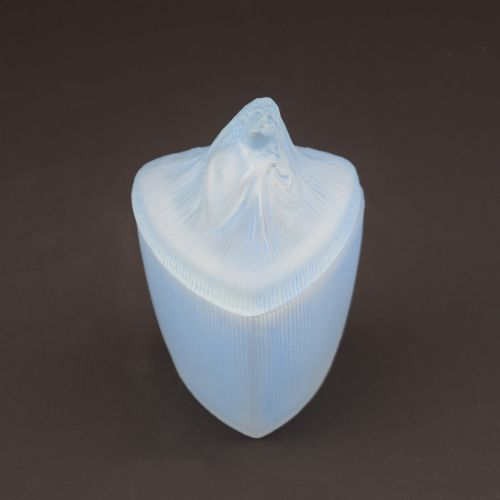
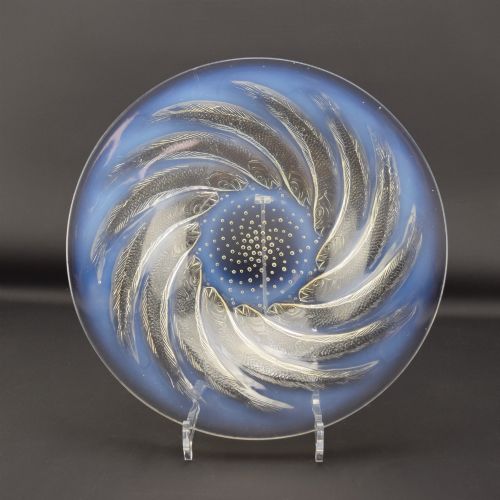
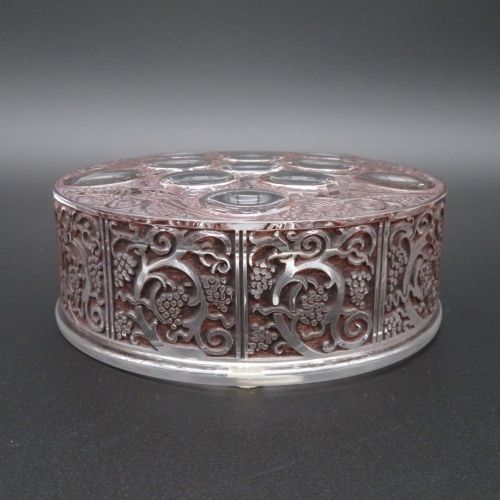
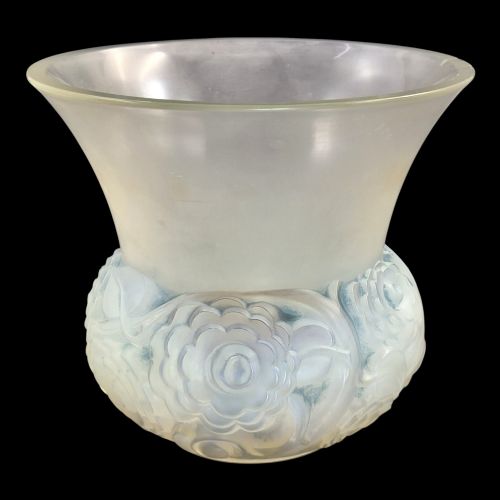
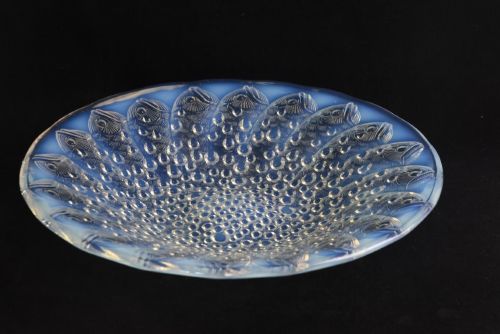
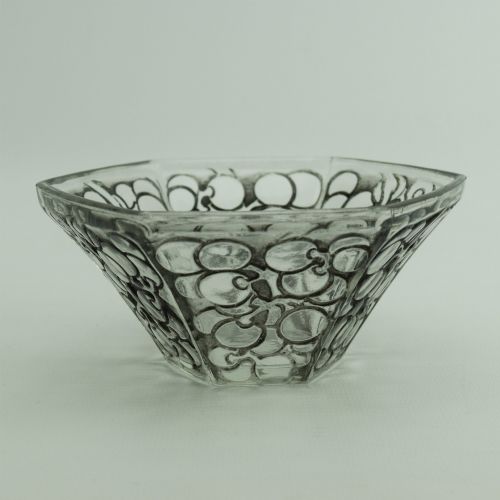
These vessels take various functional forms beyond standard bowls, including powder boxes, chargers, and plafonniers, while maintaining a consistent artistic vision. Naturalistic themes dominate the selection, featuring moulded depictions of fish, flowers, and foliage rendered in high relief across the glass surface. Each piece serves as a physical record of a specific stylistic shift from flowing floral lines to structured geometric patterns.
How they were made
Makers utilised moulded glass and crystal techniques to shape heavy vessels, incorporating pressed and clear glass methods to achieve distinct tactile qualities. The production process relied on precise thermal management to handle thick material sections while forming intricate high-relief patterns of flora and fauna.
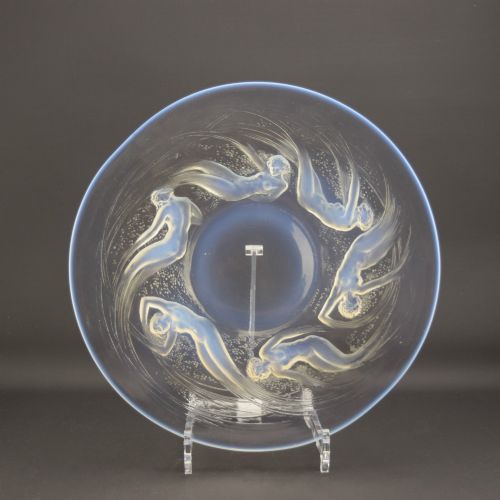
Opalescent glass and frosted glass treatments define the visual identity of these pieces, often enhanced with amber glass colouration or grey staining and enamelling. These surface modifications scatter light across the moulded motifs, creating the characteristic milky-blue luminescence associated with the period.
Listings feature opalescent glass, frosted glass, and amber glass across Art Deco and Art Nouveau styles.
What varies in quality
The degree of crispness in the moulded relief separates superior examples from softer secondary production runs, determining how sharply defined each petal, scale, or feather appears. Stronger definition allows the light to catch the edges of the design, whereas worn or poorly executed moulds produce a blurred finish.
The distribution of the opalescent effect within the glass body alters the visual depth of the object, as uneven cooling can result in flat or muddy colouration. Masterful optical interplay occurs when the milky translucence shifts dynamically between blue and amber tones under changing illumination.
Rene Lalique
The Lalique Glass Bowl Glossary
- Opalescent glass
- Glass that diffuses light to display a milky-blue appearance, shifting to warm amber tones when backlit. This optical property results from the chemical composition and controlled cooling of the material during manufacturing.
- Coupe ouverte
- An open bowl or shallow vessel form frequently utilised for decorative centrepieces. The term describes an open profile designed to showcase moulded surface decoration across the interior base.
- Frosted glass
- Glass treated to achieve a matte, non-reflective surface texture through acid etching or sandblasting. This technique provides contrast against clear sections to emphasise sculptural details.
- Moulded glass
- Glass shaped by pressing molten material into a prepared form to create relief patterns. This method allowed makers to replicate complex sculptural designs across multiple vessels.
- Plafonnier
- A ceiling-mounted bowl fixture designed to diffuse interior light downward. These lighting pieces share the same decorative motifs found on table vessels.
Lalique Glass Bowl: Frequently Asked Questions
What periods do these bowls come from?
The pieces originate primarily from the early twentieth century, encompassing the Edwardian era through the Art Nouveau period and into the Art Deco nineteen-twenties and nineteen-thirties.
Production during these decades reflects the transition from flowing natural forms to stylised geometric compositions in French decorative arts.
How were these bowls used originally?
These vessels functioned as decorative centrepieces, fruit bowls, and display chargers within affluent households of the period.
Shallower forms also served as powder boxes and tabletop receptacles for small personal items.
How do I identify opalescent glass?
Opalescent glass displays a characteristic milky-blue sheen when viewed under normal light, transforming into warm amber or yellow hues when direct light passes through the body.
This dual coloration comes from specific mineral additives and cooling techniques unique to the period.
How do I care for a glass bowl?
Maintain the surface by washing gently in warm water with mild soap, avoiding abrasive cloths that might scratch the frosted or polished exterior.
Support the heavy glass body securely from the base whenever moving the vessel between display locations.