




Lalique Frosted Glass Dish
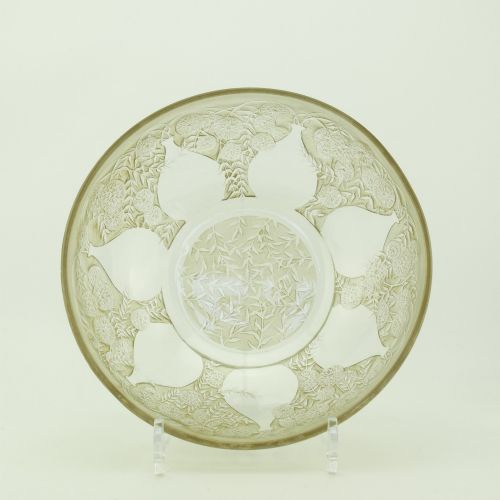
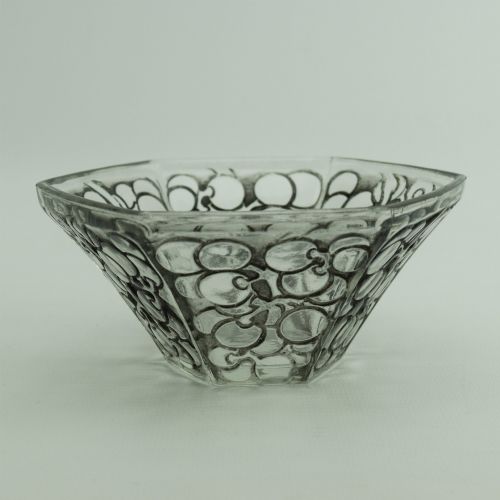
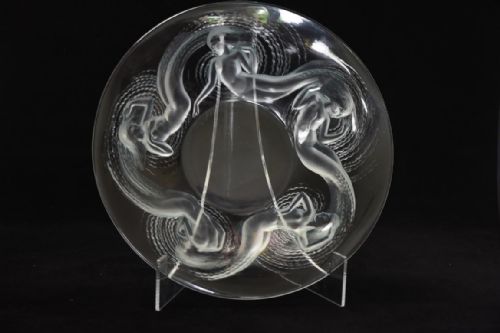
A lalique frosted glass dish brings tactile French artistry to a table, combining sculptural depth with subtle light play.
Lalique Frosted Glass Dish
A lalique frosted glass dish encompasses decorative bowls, plates, pin dishes, and ashtrays created in distinct forms. Buyers searching this phrase encounter items spanning the early twentieth century, with strong representation from the nineteen-twenties and nineteen-thirties.
The objects take various shapes, including footed bowls, shallow plates, and small powder boxes. Art Deco and Art Nouveau styling dominates the selection, reflecting the decorative movements of their creation periods.
Many examples feature named designs such as Ondines, Lys, Chasse Chiens, and Naiade. These pieces function as decorative bowls and dishes rather than utilitarian tableware, serving as focal points in period interiors.
How they were made
Makers utilised moulded glass and pressed glass techniques to achieve intricate relief details. Molten material entered complex metal moulds to form the dense bodies and three-dimensional motifs characteristic of the works.
Frosted glass, opalescent glass, and clear glass formed the primary physical base of the pieces. Artisans enhanced texture and depth through patinated glass finishes, grey staining, sepia stain, and enamel highlights.
Lalique Frosted Glass Dish Retail Price Guide 2026
Typical asking prices for lalique frosted glass dish among the pieces listed under this phrase on Sellingantiques today, from the lower quarter to the upper quarter. They describe what is for sale here now, not the wider market.
Art Deco and Art Nouveau styles dominate the selection of dishes and powder boxes.
What varies in quality
The crispness of the moulded relief dictates visual strength, where sharper botanical or figurative details command attention. Clarity of the opalescent effects and the subtlety of applied patination or staining separate standard production from finer work.
Depth of colour saturation within the frosted surfaces influences how light catches the contours. Preservation of the original enamel or stain finishes across intricate high-relief sections determines the integrity of each piece.
Rene Lalique·Verlys
The Lalique Frosted Glass Dish Glossary
- Frosted glass
- Glass treated to achieve a textured, matte surface that diffuses light. This finish is central to highlighting sculptural relief work.
- Opalescent glass
- Glass containing ingredients that cause it to milky-blue in transmitted light and warm amber in reflected light. It creates an iridescent depth across curved surfaces.
- Patinated glass
- Glass treated with pigments or staining agents rubbed into recessed areas to emphasise design details. This technique heightens contrast against frosted backgrounds.
- Moulded glass
- Glass shaped by being pressed or blown into a prepared form. It allows for consistent replication of complex sculptural motifs.
Lalique Frosted Glass Dish: Frequently Asked Questions
Are these dishes meant for daily use?
These decorative items function primarily as display pieces, pin dishes, or ashtrays rather than heavy tableware. Their artistic value and delicate glass composition suggest careful placement away from high-traffic areas.
Using them for dry presentation or decorative placement preserves the surface finish. Avoid exposing them to sudden temperature extremes.
How can I tell the period of a piece?
Examine the stylistic elements, as Art Nouveau pieces display organic curves from the nineteen-tens, while geometric motifs point toward nineteen-twenties and nineteen-thirties Art Deco production. Signatures and design registries also offer chronological clues.
Comparing the specific motif against known design catalogues helps narrow down the production era. Material finishes like sepia staining or grey enamel often correlate with particular decades.
What is opalescent glass?
Opalescent glass exhibits a milky quality that shifts in colour depending on the light source. It catches blue tones in direct light and warm tones against dark backgrounds.
This optical effect gives the shallow relief designs remarkable depth. It remains a defining characteristic of French art glass from this era.