


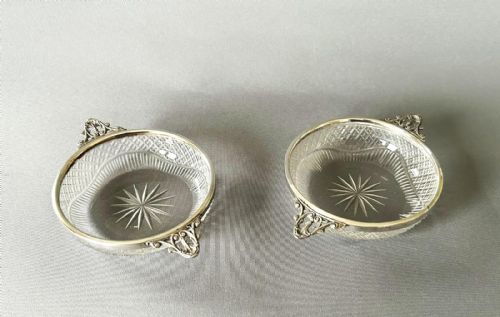


Crystal Trinket Dish
These crystal trinket dish pieces range from heavy Victorian silver-mounted cut glass to geometric Art Deco designs, offering a practical place for small valuables.
Crystal Trinket Dish
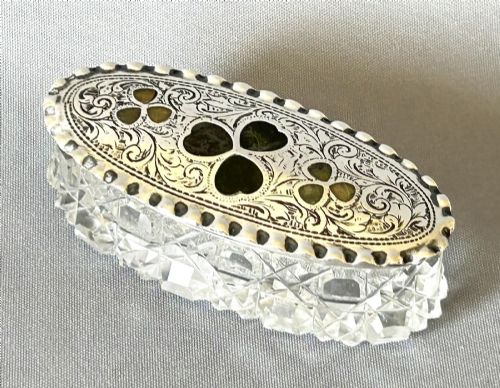
When you search for a crystal trinket dish, you encounter small lidded boxes, shallow pin dishes, and lidded bowls designed for dressing tables and vanity setups. These items serve to hold rings, pins, and small keepsakes safely within reach.
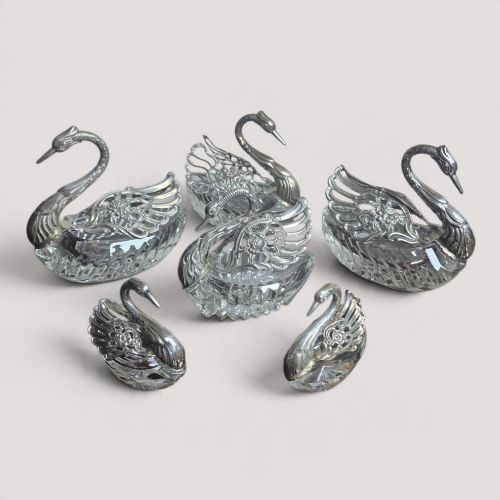
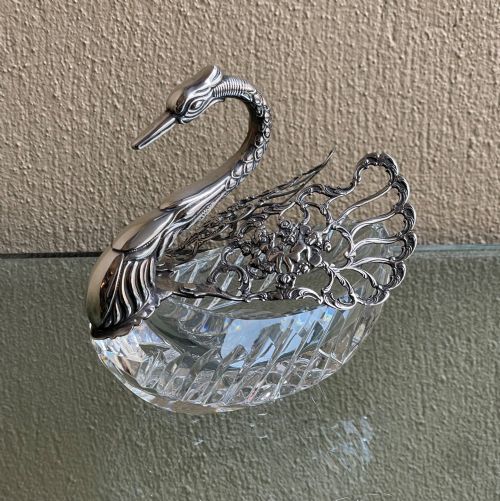
The selections available here span multiple eras, including Victorian, Edwardian, and Art Deco periods, alongside French and German origins. Forms range from simple heart-shaped dishes to hinged boxes fitted with sterling silver, silver plate, or ormolu mounts.
How they were made
The glass elements rely on traditional glass-cutting and moulding techniques, utilising clear glass, cut glass, lead crystal, and rock crystal. Many pieces feature deep wheel-cut facets that catch the light from various angles.
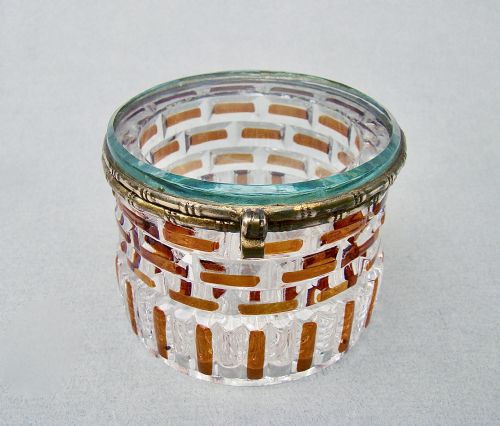
Metal mounts incorporate sterling silver, silver plate, brass, and ormolu, often joined to the crystal body by hinges or collars. Selected pieces add colour through blue enamelling or amber glass additions.
Crystal Trinket Dish Retail Price Guide 2026
Typical asking prices for crystal trinket dish among the pieces listed under this phrase on Sellingantiques today, from the lower quarter to the upper quarter. They describe what is for sale here now, not the wider market.
Some nineteenth-century makers evidently decided that plain circular dishes lacked ambition, resulting in charming double heart-shaped vessels.
What varies in quality
Quality rests heavily on the depth and crispness of the glass cutting, where sharper facets and heavier lead crystal indicate superior manufacture. Maker attributions, such as Baccarat, Lalique, or Posen, elevate the standard further.
The metal components also dictate value, with intact hallmarks on sterling silver or detailed gilding on ormolu mounts marking out better examples. Enamel work that remains free from chips represents another tier of superior craftsmanship.
Baccarat·Hoffman·Posen·René Lalique·William Comyns
The Crystal Trinket Dish Glossary
- Lead crystal
- Glass containing metal oxides that increases refractive index and weight. This material allows for deeper and more brilliant cutting.
- Ormolu
- Gilded bronze popular in French decorative mounts. It provides a rich golden frame for crystal vessels.
- Hallmark
- Official stamp on precious metal indicating purity and origin. These marks help date the silver mounts on glass boxes.
- Rock crystal
- Naturally occurring colourless quartz carved into decorative objects. It differs from manufactured lead crystal by being a natural mineral.
- Pin dish
- A small shallow vessel designed for holding loose pins on a dressing table. These often feature decorative rims or figural details.
Crystal Trinket Dish: Frequently Asked Questions
What is a crystal trinket dish used for?
These pieces were originally designed for dressing tables to hold rings, brooches, and pins safely while dressing or washing.
Today they function similarly on bedside tables or desks, keeping small everyday items organised and visible.
How do I clean an antique silver and glass dish?
Use warm soapy water and a soft cloth for the glass portion, taking care to keep moisture away from any fabric linings or glued joints.
Polish the silver mounts separately using a dedicated silver cloth, avoiding abrasive pastes that might scratch the surrounding crystal.
Are these pieces made of real crystal?
The inventory includes items made from lead crystal, cut glass, and rock crystal, depending on the specific piece and period.
Heavier items with high refractive qualities typically indicate lead crystal construction.
How can I tell the period of a trinket box?
Dating relies on a combination of the cutting style, the shape of the metal mounts, and any visible hallmarks on the silver.
Art Deco items show geometric lines, whereas Victorian and Edwardian pieces often display more ornate or floral silver framing.