

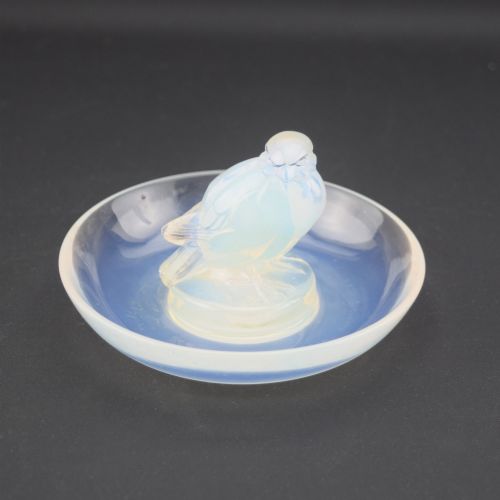


French Art Glass Tray
A french art glass tray brings tactile glamour to a room, offering heavy pressed or moulded forms designed to catch the light.
French Art Glass Tray
A french art glass tray encompasses decorative dishes, pin dishes, plates, salvers, and ashtrays created during the height of the Art Deco period. These objects bridge the gap between ornamental display and functional tabletop accessories, reflecting the sleek geometries and figurative motifs of the era. Most examples date from the nineteen twenties and nineteen thirties, capturing a distinct interwar aesthetic.
The objects appearing on this page range from translucent ashtrays and small pin dishes to larger decorative plates and serving trays. Alongside glass vessels, buyers encounter occasional mixed-material designs combining glass with macassar ebony or chrome. These utilitarian yet artistic pieces served refined domestic spaces and continue to function as sophisticated catch-alls or centrepieces.
How they were made
Makers utilised specialised moulding and pressing techniques to shape heavy glass into elaborate reliefs, often employing opalescent, frosted, or clear finishes. The treatment of the surface creates depth and contrast, making figures and geometric patterns stand out against textured backgrounds. Opalescent glass shifts in tone depending on the light, appearing milky white in direct illumination and glowing with blue or amber undertones from different angles.
Certain serving trays incorporate structural frameworks of chrome or rich hardwoods such as macassar ebony to frame the glass insert. This combination of materials provides both stability and a sophisticated contrast between polished metal or dark wood and luminous glass. The manufacturing process relied on precise mould design to achieve crisp, tactile details across both figurative subjects and abstract motifs.
French Art Glass Tray Retail Price Guide 2026
Typical asking prices for french art glass tray among the pieces listed under this phrase on Sellingantiques today, from the lower quarter to the upper quarter. They describe what is for sale here now, not the wider market.
Birds and mythical sirens remain the most popular companions for your desk, guarding dropped pins and calling cards with stoic grace.
What varies in quality
The distinction between standard production and exceptional work lies in the crispness of the moulded relief and the depth of the opalescence. Superior examples exhibit sharply defined details in figurative subjects like nymphs, birds, or sirens, whereas lesser pieces can display softer, blurred contours from worn moulds. The quality of the underlying glass mixture and the uniformity of the finish further dictate the visual impact of the piece.
For pieces incorporating secondary materials, the precision of the joinery between the glass insert and the chrome or macassar ebony frame indicates the level of craftsmanship. A well-executed mount fits the glass securely without excess tension, maintaining clean lines that complement the overall design. The resonance and weight of the glass itself also signal the standards upheld by the original workshop.
Rene Lalique·Sabino
The French Art Glass Tray Glossary
- Opalescent Glass
- Glass formulated to display milky bluish or amber highlights when struck by light. This optical effect is achieved through chemical additions during the melting process.
- Art Deco
- The dominant design style of the nineteen twenties and nineteen thirties characterised by streamlined forms, geometric symmetry, and stylized motifs. It influenced architecture, fashion, and decorative objects alike.
- Salver
- A flat tray, typically round or oval, used for serving or presentation. In decorative glass, these often feature wide rims decorated with moulded reliefs.
- Pin Dish
- A small shallow vessel originally intended for holding loose pins or trinkets on a dressing table. These represent some of the most accessible forms of decorative moulded glass.
French Art Glass Tray: Frequently Asked Questions
What were french art glass trays used for originally?
These trays served diverse domestic functions ranging from dressing table pin dishes and smoking accessories to serving salvers for formal interiors. Their dual nature allowed them to act as both functional receptacles and decorative works of art.
In contemporary spaces, owners frequently repurpose them as display trays for jewellery, desk organizers, or standalone decorative accents on coffee tables and sideboards.
How do I identify an Art Deco french glass tray?
Authentic pieces from this era typically display characteristic design markers such as symmetrical geometric patterns, stylized floral motifs, or low-relief figurative carvings of nymphs and animals. The integration of frosted and clear glass finishes is also a strong indicator of interwar manufacturing methods.
Examining the weight and the characteristic glow of opalescent glass helps confirm the period production techniques used by major French workshops of the nineteen twenties and thirties.
Are these glass trays fragile for daily use?
While the glass used in these pieces is typically heavy and robust, the intricate moulded reliefs and opalescent surfaces require careful handling to avoid chipping or surface scratching. Placing them on stable, padded surfaces prevents unnecessary wear on the underside.
Owners should clean them gently with mild soap and lukewarm water, avoiding harsh abrasives that could damage the frosted or treated textures.
What is the difference between clear and opalescent glass on these pieces?
Clear glass offers complete transparency and allows light to pass straight through the object, highlighting the clean lines of the form. Opalescent glass contains chemical agents that refract light, creating a milky appearance with shifting blue or orange tones depending on the viewing angle.
This optical quality was heavily favored by leading designers to accentuate the depth of moulded reliefs and figures embedded in the glass surface.