

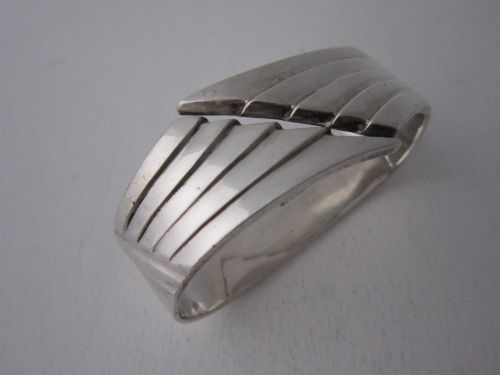


Art Deco Ring Holder
An art deco ring holder brings geometric clarity and period charm to a dressing table or dining setting.
Art Deco Ring Holder
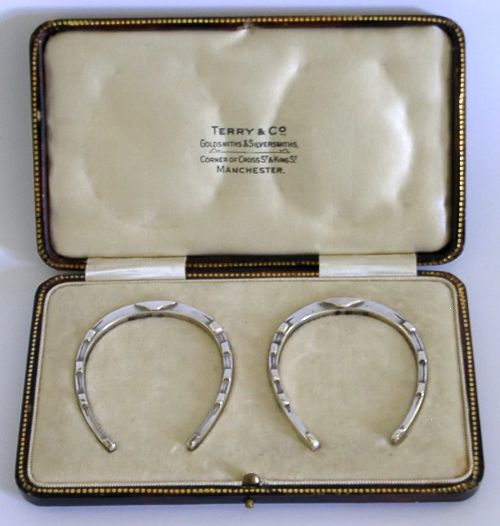
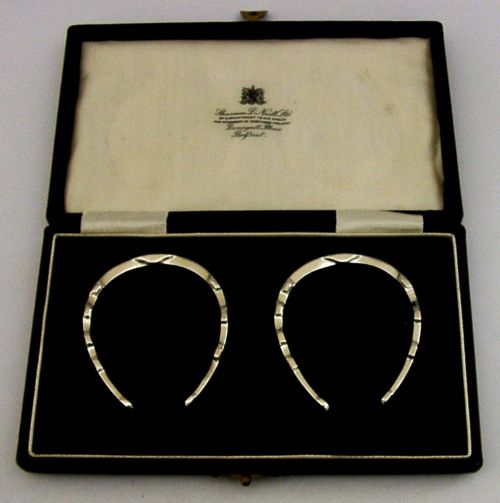
Makers of the era utilised solid sterling silver, often pairing metal with materials like frosted glass, clear glass, and guilloche enamel. These functional objects range from simple geometric bands to pieces adorned with horseshoe motifs and aesthetic designs.
Pieces from this category bridge the gap between practical domestic use and decorative tabletop display. They reflect the diverse manufacturing output of English workshops alongside continental European production from the same decades.
Factors that distinguish quality
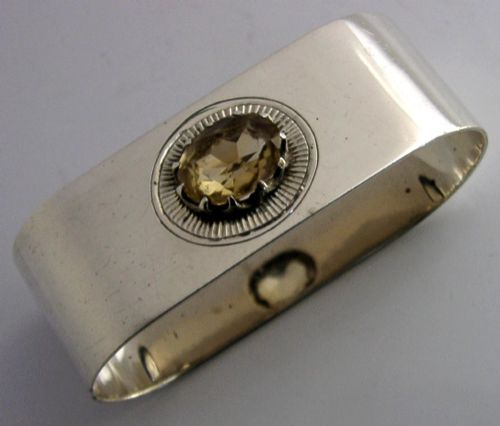
The degree of decorative ambition separates standard production from superior examples. Pieces featuring hand-applied guilloche enamel, citrine gemstones, or sculptural glass work demand greater artistry than plain bands.
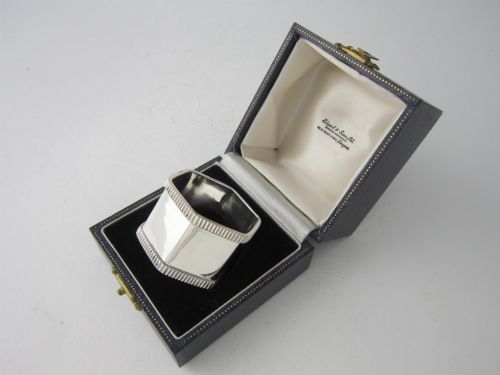
Completeness also influences the standing of a piece, particularly when items survive in their original fitted presentation cases lined with silk or velvet. Maker attribution, such as signed work by David Andersen, René Lalique, or Henry Wilkinson, elevates the significance of the item.
Art Deco Ring Holder Retail Price Guide 2026
Typical asking prices for art deco ring holder among the pieces listed under this phrase on Sellingantiques today, from the lower quarter to the upper quarter. They describe what is for sale here now, not the wider market.
Listings span the 1920s, 1930s, and 1940s, recording materials that include frosted glass, citrine, velvet, and solid sterling silver.
R. E. Stone·René Lalique·David Andersen·Henry Wilkinson
The Art Deco Ring Holder Glossary
- Sterling silver
- A silver alloy containing 92.5 percent pure silver and 7.5 percent other metals, usually copper, ensuring durability for domestic items.
- Guilloche enamel
- A decorative technique where an intricate geometric pattern is engraved beneath a translucent layer of coloured enamel.
- Pin dish
- A small shallow tray designed for holding loose pins, rings, or small trinkets on a dressing table.
- Silver gilt
- Sterling silver that has been coated with a thin layer of gold, providing a rich two-tone appearance.
- Assay mark
- Official stamps applied to precious metals to guarantee the standard of purity.
Art Deco Ring Holder: Frequently Asked Questions
What materials were used?
The listings show items fashioned primarily from solid sterling silver, alongside glass, citrine, and guilloche enamel. Presentation boxes incorporate fabrics such as velvet, satin, silk, and leatherette.
These varied materials reflect both the practical domestic function and the decorative ambitions of manufacturers operating during the 1920s and 1930s.
How do I identify the date?
Makers relied on official assay office hallmarks stamped directly onto the metal, which indicate the specific year of manufacture. Date letters and city marks, such as those from Birmingham or Sheffield, provide precise chronological markers.
Items without metal hallmarks often rely on stylistic evidence and documented production periods associated with specific designers.
Were these items cased originally?
Many pieces were retailed inside fitted presentation boxes designed to protect the metal or glass from tarnishing and damage. These boxes frequently feature interior linings of silk, satin, or velvet paired with leatherette exteriors.
Survival of the original case adds historical context to the set or individual item.
How should I display them?
Silver napkin rings and pin dishes function well on dining tables, sideboards, or dressing surfaces to hold small accessories. Their compact size allows them to be integrated easily into existing interior displays.
Regular, gentle cleaning helps maintain the finish of both the polished silver and any accompanying enamel or glass.