



French Glass Trinket Dish
A french glass trinket dish is a decorative dressing table accessory holding small jewellery and pins, prized for its tactile weight and period design.
French Glass Trinket Dish
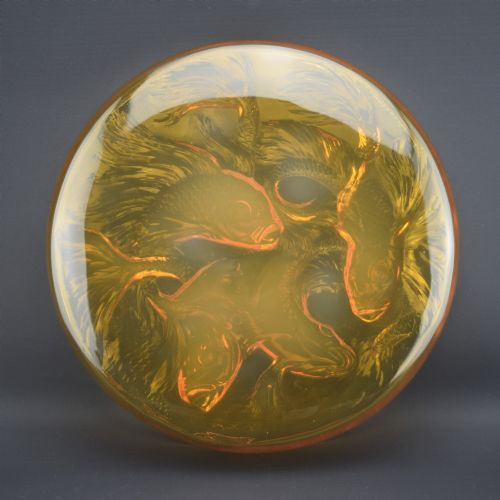
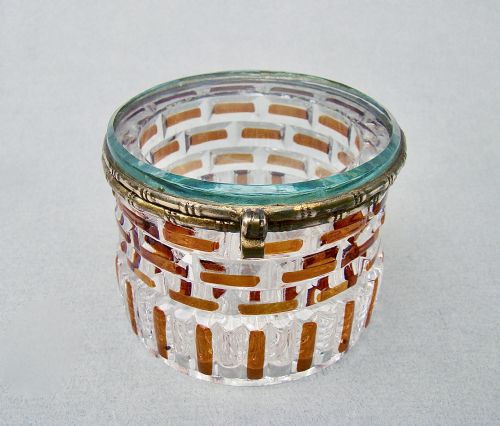
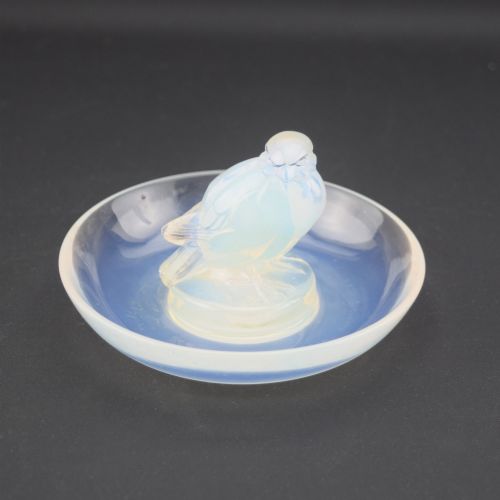
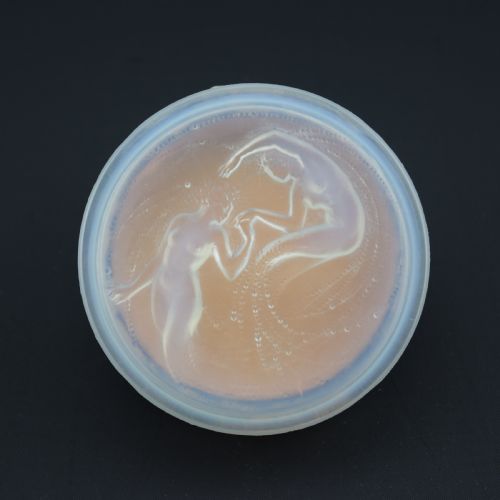
A french glass trinket dish encompasses dressing table jars, powder boxes, pin dishes and ashtrays used on vanity surfaces. These vanity items span the nineteenth century through the Art Deco period, including French Belle Epoque and Empire Revival styles.
Collectors frequently encounter opalescent glass, lead crystal and opaline glass forms in this category. Pieces often incorporate metal mounts, brass fittings, enamel work or gold leaf details.
How they were made
Makers utilised moulded, pressed and cut glass techniques to achieve varied surface textures and optical depths. Opalescent glass relies on chemical additives during melting to create shifting blue and amber tones in the light.
Metal mounts in brass, ormolu or gilt bronze are fitted directly to glass bodies, sometimes secured with hinges or applied edgings. Enamel decoration and gold leaf gilding were hand-applied to finished glass surfaces before firing.
French Glass Trinket Dish Retail Price Guide 2026
Typical asking prices for french glass trinket dish among the pieces listed under this phrase on Sellingantiques today, from the lower quarter to the upper quarter. They describe what is for sale here now, not the wider market.
Even ashtrays were elevated to art when French glassmakers turned smoke breaks into sculptural opalescent centrepieces.
What varies in quality
Quality rests upon the crispness of the glass moulding and the subtlety of the opalescent effect within the material. Finer examples show sharp relief in figural motifs and precise hand-finishing on gilt or enamel borders.
The integration of metal hardware, such as brass mounts and hinges, separates standard production from superior workshop output. Weight, clarity of the lead crystal and depth of colour in opaline or Bristol blue glass dictate the standing of a piece.
Baccarat·Rene Lalique·Sabino
The French Glass Trinket Dish Glossary
- Opalescent glass
- Glass containing agents that cause it to appear milky with translucent blue or amber highlights when lit from specific angles. This effect creates shifting visual depth across moulded reliefs.
- Opaline glass
- An opaque or semi-opaque glass developed in nineteenth-century France, frequently found in soft pastel shades like green or blue. It provides a smooth, porcelain-like surface for decorative items.
- Ormolu
- Gilded bronze mounts and decorative fittings applied to glass boxes and dishes. The technique involves coating bronze with a mercury and gold amalgam before heating.
- Cendrier
- The French term for an ashtray, frequently encountered in mid-century and Art Deco glass desk or dressing table accessories. Many were produced by major glassworks as branded promotional items.
- Dressing table jar
- A covered glass container designed to hold cosmetics, pins or small trinkets on a vanity. These jars often feature metal collars and hinged lids.
French Glass Trinket Dish: Frequently Asked Questions
What were french glass trinket dishes used for?
These dishes served practical functions on nineteenth and twentieth-century dressing tables, holding small items such as pins, rings, powder and hair accessories. Wealthy owners kept them on vanity surfaces as both functional containers and decorative ornaments.
Over time, their use shifted from daily dressing accessories to decorative cabinet pieces and collector displays. Ashtrays and small bowls were also utilised in sitting rooms and studies.
How do I date a glass trinket box?
Dating relies on stylistic indicators, manufacturing techniques and material composition seen across different eras. Nineteenth-century pieces often feature heavy hand-enamelling, Bristol blue glass or elaborate ormolu mounts.
Pieces from the nineteen-twenties and thirties typically reflect Art Deco geometry, moulded opalescent glass or specific signatures from major French studios. Comparing the style of the metal fittings and moulded motifs helps place a piece within its historical period.
What is opalescent glass?
Opalescent glass is a type of glass that displays milky or translucent qualities with characteristic blue or fire-orange highlights when struck by light. The effect is produced by adding specific mineral compounds to the molten batch.
This technique was particularly favoured by French glassmakers in the early twentieth century to accentuate low-relief sculptural details on dishes and bowls.
How should I clean antique glass dishes?
Cleaning requires gentle handling, particularly for pieces with gilt edges, enamel work or metal mounts. Lukewarm water and mild soap are sufficient for removing dust and surface grime from the glass body.
Submerging items with metal hinges or gold leaf should be avoided to prevent corrosion or lifting of the delicate surface decoration. Drying with a soft lint-free cloth preserves the polish of the crystal.