

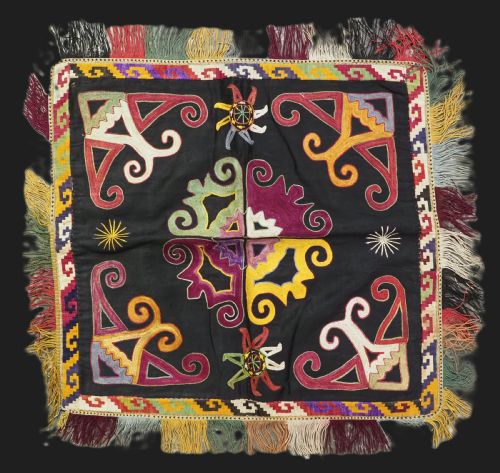


Lakai Tribe Hanging
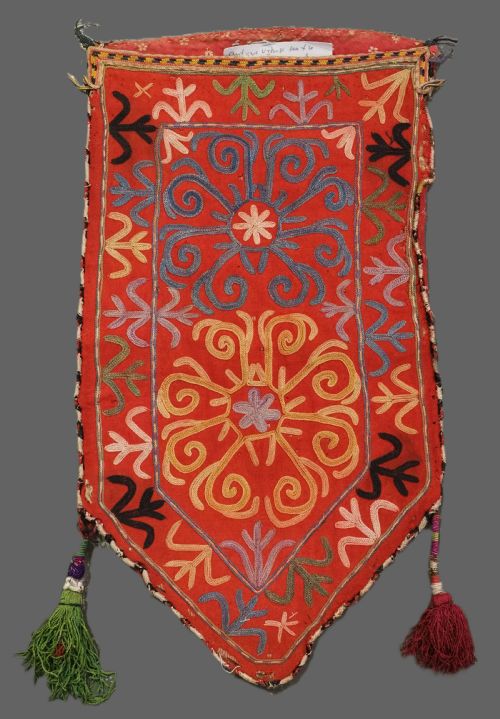
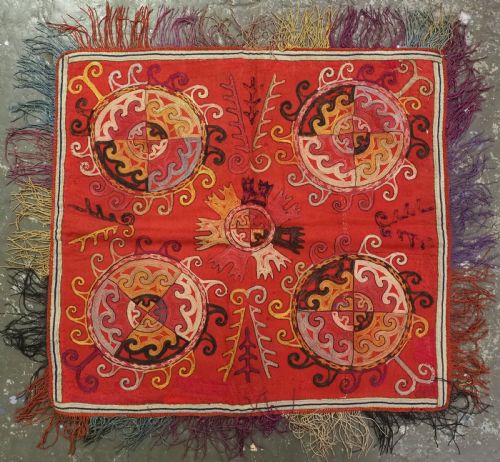
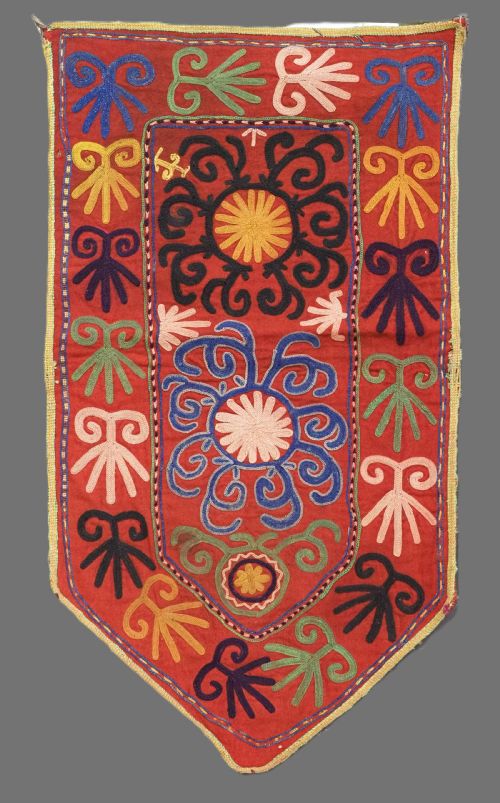
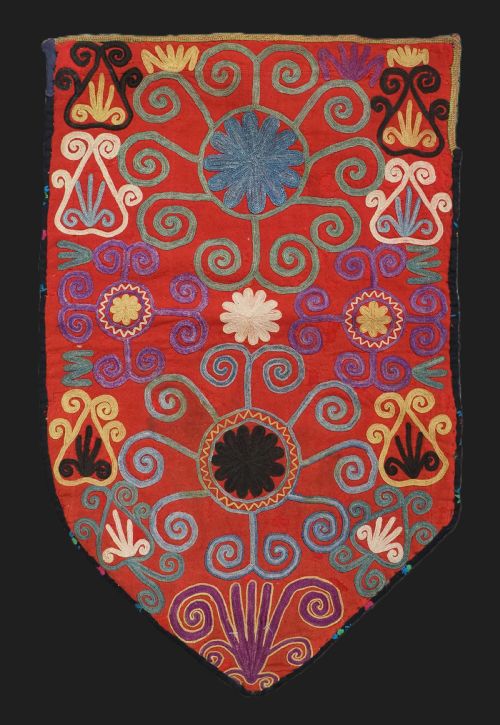
These lakai tribe hanging pieces are Central Asian tribal textiles created for domestic and ceremonial use, sought after for their bold embroidery and rich material history.
Lakai Tribe Hanging
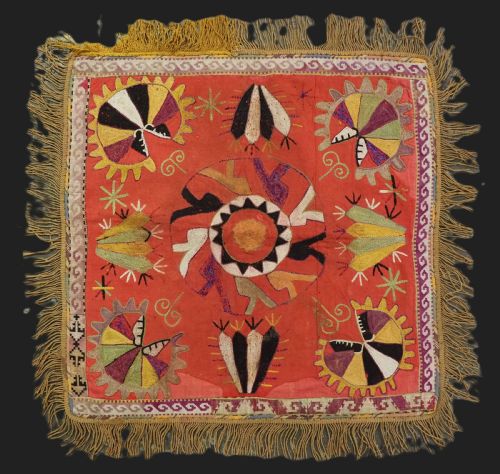
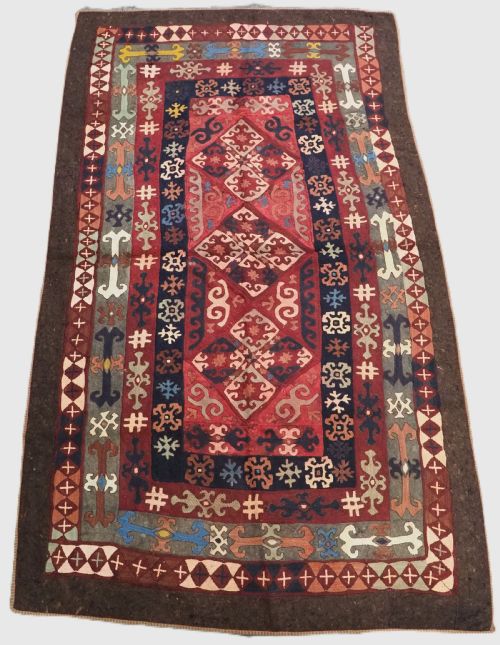
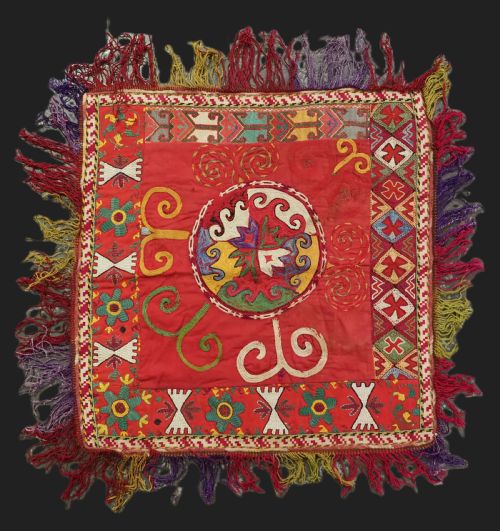
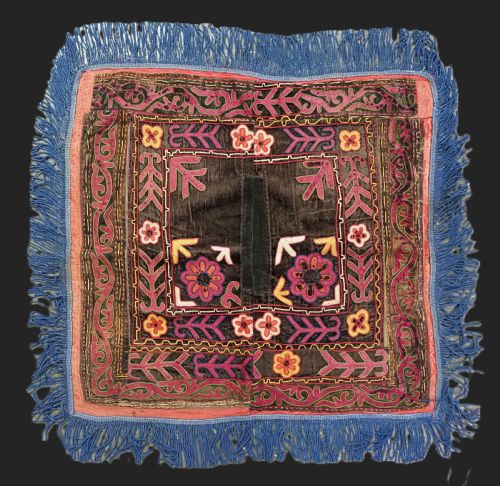
When you search for lakai tribe hanging, you encounter Central Asian tribal textiles originating from Uzbekistan, particularly associated with the Lakai people. The pieces take forms such as wall hangings,ilgich, uut kap, torba, and ceremonial horse or saddle covers, alongside bed decorations and rugs. You meet examples primarily dated from the late nineteenth century through to the 1920s.
The most common forms on this page are dowry embroideries utilised for wall hanging, alongside specialised bags and covers. These objects reflect Central Asian tribal traditions, specifically Uzbek folk art and Central Asian Tribal styles. Each item embodies domestic textile art designed for display or ceremonial function within the tribe.
What varies in quality
The distinction between tiers of these textiles rests on the complexity of the needlework and the integrity of the materials. Pieces featuring finely rendered silk thread embroidery on sound felt or cotton grounds represent the more accomplished end of the spectrum.
Differentiating factors include the intricacy of the tribal motifs and the preservation of original elements like wool fringes and velvet panels. Execution of specialised forms, such as double faced pieces or ceremonial saddle covers, further distinguishes the finer examples from standard decorative textiles.
Lakai Tribe Hanging Retail Price Guide 2026
Typical asking prices for lakai tribe hanging among the pieces listed under this phrase on Sellingantiques today, from the lower quarter to the upper quarter. They describe what is for sale here now, not the wider market.
Some textiles double as horse covers, proving that nomadic fashion standards applied equally to equines.
The Lakai Tribe Hanging Glossary
- Ilgich
- A Central Asian embroidery piece, frequently created as dowry embroidery for a wall hanging.
- Uut Kap
- A type of storage bag or hanging associated with nomadic yurt furnishings, embroidered by tribal groups.
- Torba
- A small storage bag or hanging originating from Central Asian tribal traditions.
- Suzani
- An embroidered textile panel from Central Asia, stitched in silk on cotton or linen grounds.
- Saye Gosha
- A specific form of bed decoration or hanging produced within Uzbek tribal communities.
Lakai Tribe Hanging: Frequently Asked Questions
What is a lakai tribe hanging?
A lakai tribe hanging is a textile piece created by the Lakai people of Uzbekistan in Central Asia. These items include dowry embroideries, ceremonial horse covers, and storage bags.
They reflect the traditional needlework and folk art of Central Asian tribal groups, dating from the late nineteenth and early twentieth centuries.
How were these textiles used?
These pieces served functional and ceremonial roles within nomadic and settled tribal households. Many functioned as wall hangings, decorative bed furnishings, or specific covers.
Others were created as dowry items or used as ceremonial horse and saddle covers during important community events.
What materials are used?
The construction involves a mix of natural textiles including cotton, silk, wool, felt, and velvet. Artisans decorated these grounds using detailed silk thread embroidery.
Many examples are further accented with wool fringe along the edges, combining structural fabrics with decorative needlework.
How do I date these pieces?
Dating relies on stylistic analysis, material wear, and documented periods ranging from the late 19th century through the 1920s and 1930s. Pieces from the 1880s and 1890s exhibit distinct characteristics compared to those from the 1920s.
Examining the specific type of embroidery, such as traditional ilgich or saye gosha forms, helps place the object within its historical timeframe.