




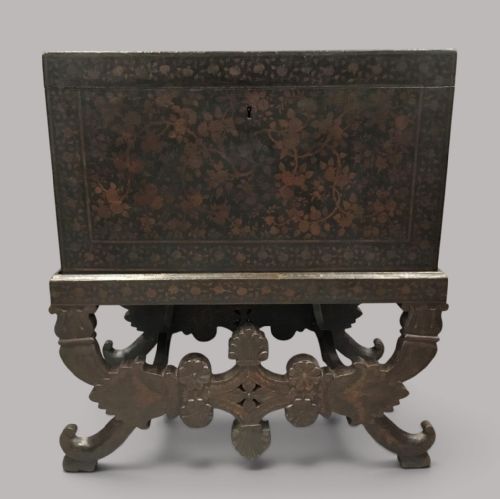

Lacquered Wood Trunk
These lacquered wood trunk pieces offer substantial storage alongside rich surface ornament, bringing historic character into a modern interior.
Lacquered Wood Trunk
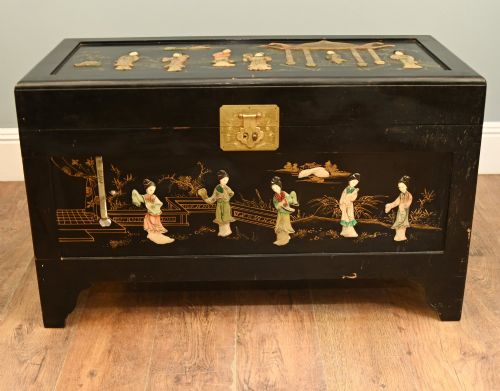
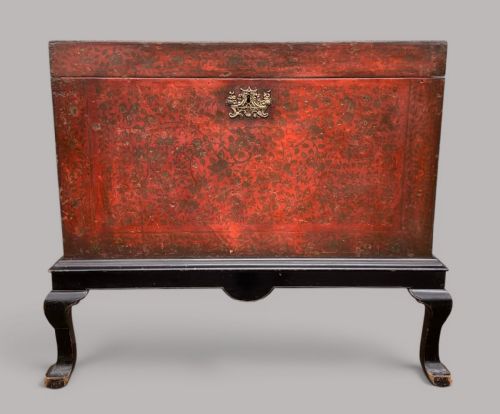
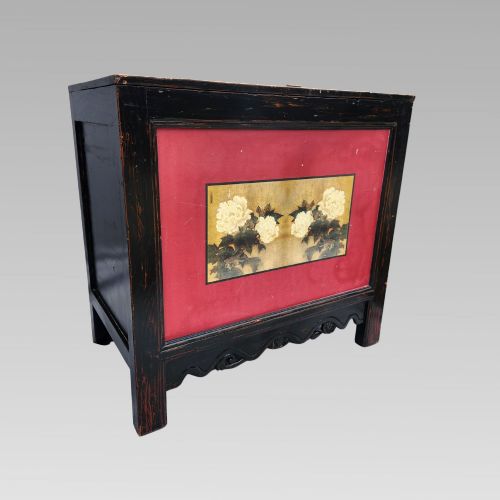
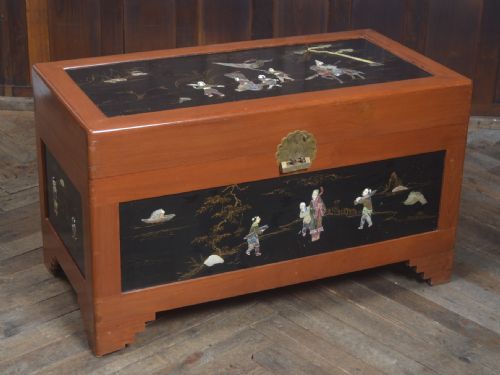
A lacquered wood trunk serves as a practical storage vessel while displaying decorative finishes across lids and panels. When searching for a lacquered wood trunk, buyers encounter forms ranging from low blanket boxes and wedding chests to raised coffers on stands.
The pieces on this page span the nineteenth century through the nineteen-thirties, reflecting diverse regional aesthetics. Origin points include traditional Chinese workshops, Japanese makers, Anglo-Indian studios, and Qajar traditions.
Common designations include coffer storage boxes, blanket chests, and chests on stands. Each configuration provides deep internal capacity combined with distinctive exterior decoration.
Materials and Construction
Carpenters built these vessels from sturdy timbers including camphor wood and general wood substrates before applying protective and decorative finishes. Layers of lacquer sealed the underlying structure while providing a smooth canvas for further ornamentation.
Surface decoration frequently incorporates hand-painted pigments, intricate gilt work, and applied soapstone details. Metal elements such as brass and iron provide structural reinforcement on corners, hinges, and fastening hardware.
Lacquered Wood Trunk Retail Price Guide 2026
Typical asking prices for lacquered wood trunk among the pieces listed under this phrase on Sellingantiques today, from the lower quarter to the upper quarter. They describe what is for sale here now, not the wider market.
Listings feature items from the nineteenth century up to nineteen-thirty, incorporating materials like brass, soapstone, pigment, and gilt.
Assessing Quality
Quality rests in the preservation of the delicate surface finish and the integrity of the underlying timber. Pieces featuring intricate hand-painted detail or applied soapstone demonstrate higher artistic ambition than plain variations.
The presence of original hardware, such as brass or iron mounts and stands, elevates the piece. Regional attribution also shapes the character, with specialised Anglo-Indian and Qajar examples displaying distinct artistic traditions.
The Lacquered Wood Trunk Glossary
- Lacquered
- Coated with resin or varnish to produce a hard, durable, and glossy finish. This treatment protects the wood underneath while allowing for detailed painting.
- Coffer
- A chest or box used for holding valuables and precious items. These pieces often feature deep storage cavities and robust construction.
- Camphor wood
- A fragrant timber frequently utilised for storage chests due to its insect-repellent properties. It provides a stable and aromatic interior for textiles.
- Chinoiserie
- European interpretation and imitation of Chinese and East Asian artistic traditions. This style appears on decorative storage chests from various periods.
- Gilt
- Application of gold leaf or gold paint to a surface. This technique highlights carved details and adds luminosity to the lacquer.
Lacquered Wood Trunk: Frequently Asked Questions
What were lacquered wood trunks used for?
These vessels primarily served to store textiles, garments, and valuable household possessions. Their deep interiors protected contents from dust and insects.
Many examples functioned as wedding chests or personal storage boxes within the household. Their decorative exteriors allowed them to sit visibly in main rooms rather than hidden away.
How do I care for a lacquered wood trunk?
Keep the piece away from direct sunlight and steady heat sources to prevent the lacquer from cracking. Dust gently with a dry, soft cloth without applying modern chemical polishes.
Maintain a stable room humidity to protect both the wooden substrate and the delicate surface finish. Avoid placing heavy, abrasive objects directly onto the decorated lid.
How can I tell the period of a trunk?
Examine the construction methods, the type of hardware used, and the style of the surface decoration. Nineteenth-century pieces often display hand-forged iron or brass mounts alongside traditional timber frames.
Nineteen-twenties and thirties examples introduce specific regional motifs and distinct lacquer formulations. Comparing the stylistic markers against documented regional traditions helps confirm the era.
Where were these trunks made?
The pieces originate from diverse workshops across Asia and regions influenced by cross-continental trade. Origins include Chinese regional centres, Japanese studios, and Anglo-Indian makers.
Each geographic area employed local timbers like camphor wood and utilised specific decorative techniques such as gilt painting or soapstone inlay.