




Lacquered Wood Coffer Chest
Lacquered wood coffer chest examples bring rich pigments and protective finishes to storage, offering robust utility with regional artistry.
Lacquered Wood Coffer Chest
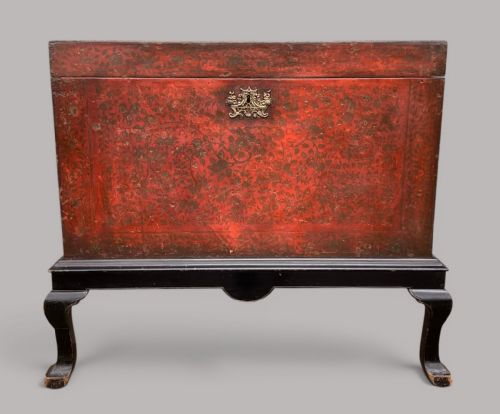
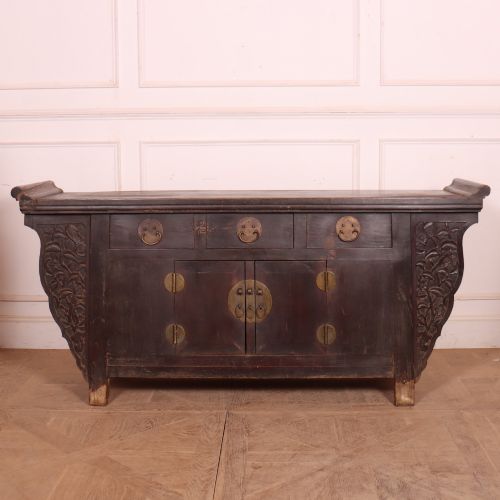
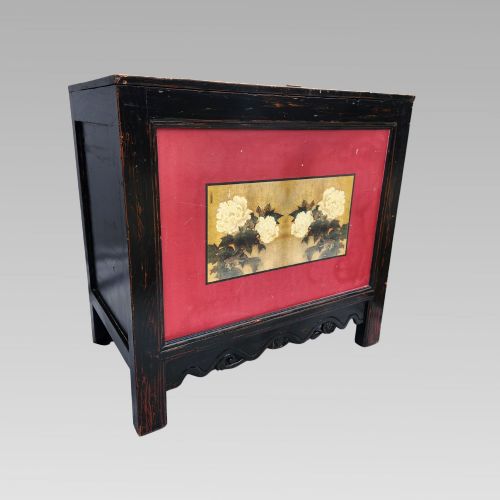
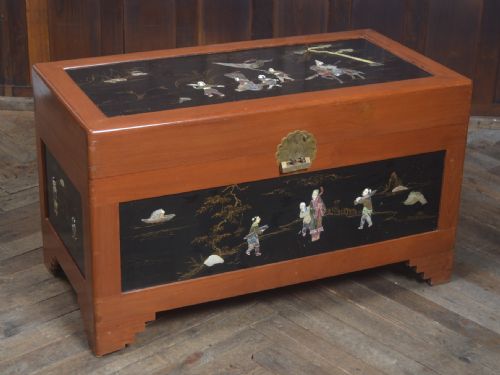
A lacquered wood coffer chest brings distinct decorative finishes and deep storage utility into a room, spanning forms from blanket boxes to storage trunks and side cabinets. These pieces serve as functional furniture while displaying regional techniques across various historical periods.
The selections available here lean heavily toward Asian and British colonial aesthetics, including traditional Chinese storage chests, Korean painted examples, and Anglo-Indian trunks on stands. Buyers encounter varied formats such as low sideboards and tansu chests alongside deep blanket boxes.
Originating predominantly from the nineteenth century through the early twentieth century, these objects showcase traditional construction adapted for domestic storage. Each item combines structural timber carcasses with protective or decorative surface treatments.
How they were made
The physical build relies on substantial timbers such as elm and camphor wood, providing durable foundations for heavy storage use. Wood selection dictates both the weight of the piece and its natural aromatic or structural properties.
Surfaces receive protective and decorative applications of lacquer, pigment, paint, and occasional gilt detailing. Brass hardware frequently reinforces corners and provides operational latches or drop handles.
Camphor wood chests double as natural linen guards, releasing a distinct aroma that kept nineteenth-century moths entirely at bay.
What varies in quality
Quality separates ordinary utility boxes from finer decorative examples through the depth and preservation of the lacquer, pigment, and gilt work. Superior pieces retain crisp surface detailing and harmonious proportions across chests and stands.
The integrity of the underlying timber carcass and the survival of original painted or lacquered finishes dictate the standing of an individual piece. Retaining original stands or untouched surface conditions elevates the historical interest of the object.
The Lacquered Wood Coffer Chest Glossary
- Cofer chest
- A large heavy box used for storing valuables or linens. These items often double as low tables or decorative focal points.
- Lacquer
- A durable protective and decorative finish applied in multiple layers to wood surfaces. It hardens into a smooth, lustrous coating that resists moisture.
- Camphor wood
- An aromatic timber frequently utilised for storage chests due to its natural insect-repelling properties. This wood is traditional in Chinese blanket boxes.
- Tansu
- A traditional mobile storage chest originating from Japan, built in modular or stacking sections with iron hardware. These units organise domestic goods efficiently.
- Chinoiserie
- European decorative motifs inspired by Chinese artistic traditions, often applied in painted finishes. This style appears on storage furniture from the early twentieth century.
Lacquered Wood Coffer Chest: Frequently Asked Questions
What is a lacquered wood coffer chest?
A lacquered wood coffer chest is a deep storage box finished with protective resin coatings, pigments, or painted decorations. These pieces originate from various Asian and colonial traditions and function as decorative storage furniture.
They combine practical timber construction with intricate surface artistry, making them suitable for holding blankets, garments, or household goods while anchoring a room's aesthetic.
How do I care for lacquered wood?
Lacquered surfaces require stable indoor humidity and protection from direct sunlight to prevent cracking or fading. Dust gently with a soft, dry cloth without harsh chemical polishes.
Maintaining moderate environmental conditions preserves the delicate pigments and protective resin layers that define these historic storage pieces.
Where were these chests made?
These storage chests originate from across Asia, including China, Japan, Korea, and India, with some pieces reflecting British colonial influence. Regional workshops utilised native timbers such as elm and camphor wood.
Local crafting traditions dictated whether a piece took the form of a simple blanket box, a painted storage chest, or an elaborate trunk on a decorative stand.
How are nineteenth-century chests distinguished?
Nineteenth-century examples are identified through traditional joinery methods, timber ageing, and authentic period pigments or lacquer formulations. The integration of brass hardware and hand-carved details points to historical workshop practices.
Comparing structural timbers and surface wear helps buyers distinguish nineteenth-century production from later twentieth-century decorative interpretations.