




Asian Blanket Box
An asian blanket box brings enduring texture and regional craftsmanship into a room, offering practical storage disguised as striking history.
Asian Blanket Box
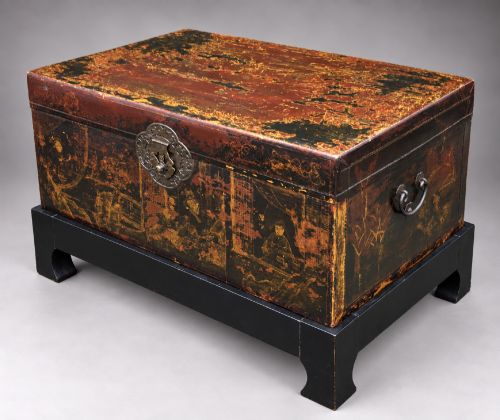
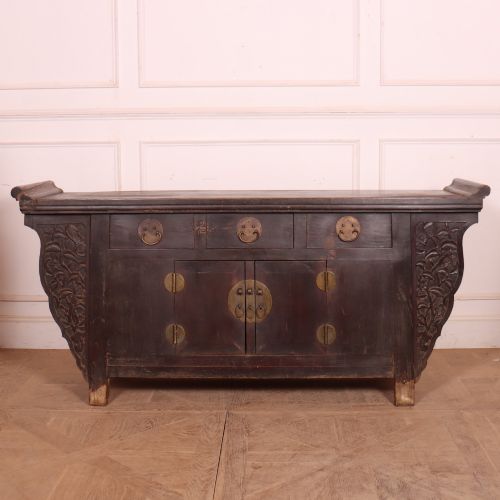
An asian blanket box encompasses substantial storage chests, coffers, and trunks originating from various traditions across the East, including Chinese export pieces, Indian trunks, and Korean elm furniture. When searching this phrase, a buyer encounters forms ranging from simple domestic storage to elaborate dowry chests and centre chests raised on stands.
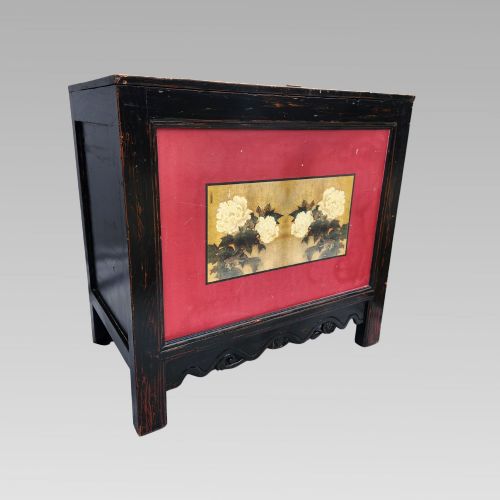
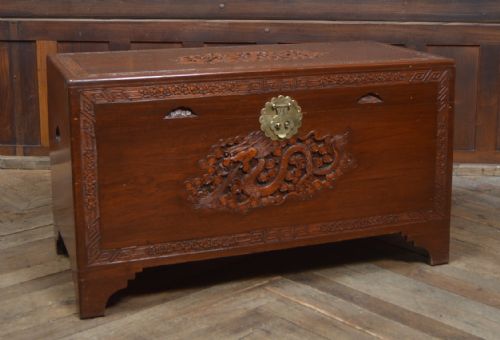
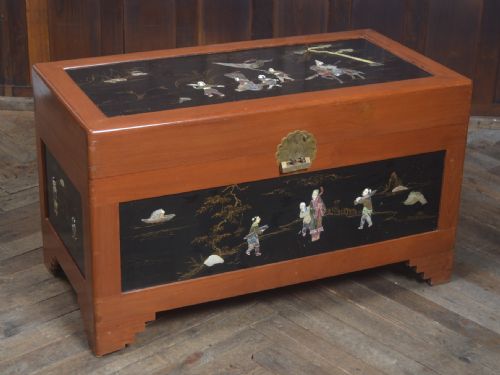
The material selection heavily leans towards fragrant camphor wood alongside elm and other hardwoods, frequently finished with black lacquer, gilt, or pigment. Many examples incorporate brass hardware or protective coverings, whilst styles span traditional Qing dynasty aesthetics, regional folk art, and Chinoiserie interpretations.
The domestic utility of these pieces has adapted over centuries from holding textiles and dowries to serving as decorative storage chests in contemporary interiors. The selection on this page demonstrates these varied origins, materials, and structural formats without relying on a single uniform style.
Materials and construction
Makers utilised fragrant timbers such as camphor wood and dense hardwoods like elm, selected for their durability and natural insect-repellent properties. These woods were joined using traditional woodworking techniques suited to large chests, coffers, and trunks.
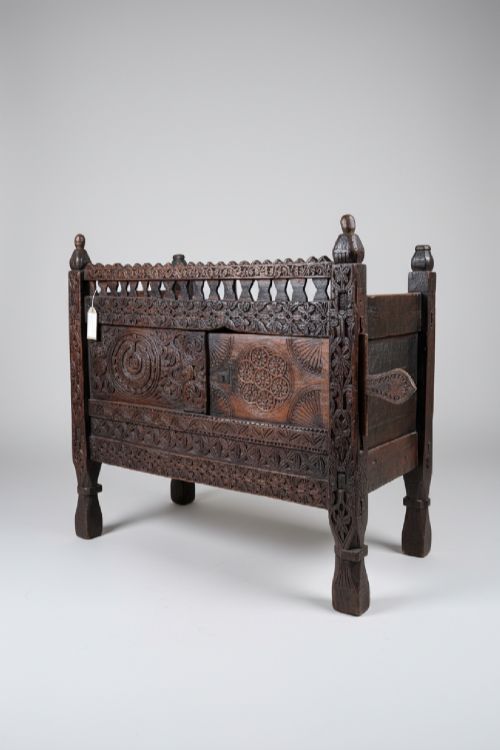
Surface treatments involved layers of lacquer, applied pigment, and gilt, occasionally complemented by brass fittings, hinges, and corner plates. Some surfaces feature hand-carved relief detailing directly into the solid wood.
Stands and supporting bases appear on specific trunks, elevating the primary storage compartment and altering the overall proportions of the piece.
Camphor wood keeps moths away, meaning your jumpers smell faintly of an Asian adventure for the next hundred years.
Distinctions in quality
The depth and precision of hand-carved relief work separate standard utility chests from more ambitious decorative examples. Fine carving displays crisp detailing across the timber surface without losing the structural integrity of the box.
The application and preservation of surface finishes, including lacquer, pigment, and gilt, determine the visual impact of a piece. Original brass hardware that remains intact and functional contributes to the overall coherence of the construction.
The choice of primary wood, particularly well-figured camphor or dense elm, underpins the substance of the chest, alongside the complexity of form such as the inclusion of fitted internal drawers or integrated stands.
The Asian Blanket Box Glossary
- Camphor wood
- An aromatic timber frequently utilised for trunks and blanket boxes to protect stored textiles from insects.
- Coffer chest
- A heavy, deep box used primarily for safekeeping valuables, often predating lighter domestic storage trunks.
- Chinoiserie
- European decorative style reflecting Chinese artistic motifs, frequently seen on imported or influenced lacquered trunks.
- Dowry chest
- A traditional container commissioned for a bride's household goods, often featuring significant regional carving or symbolic ornamentation.
- Pig skin chest
- A storage trunk constructed or covered with treated animal hide, offering a durable and textured exterior finish.
Asian Blanket Box: Frequently Asked Questions
What were Asian blanket boxes used for?
These chests served primarily for storing heavy textiles, garments, and domestic valuables within the household. Many examples functioned specifically as dowry chests intended to transport a bride's belongings to her new home.
In daily use, the aromatic qualities of woods like camphor helped preserve fabrics over long periods. Their robust construction also allowed them to double as luggage chests or secure coffers for transit.
How do I care for a lacquered chest?
Lacquered surfaces require stable environmental conditions away from direct sunlight and excessive humidity to prevent drying or cracking. Dusting should be done gently with a soft, dry cloth without chemical polishes.
Maintaining consistent indoor temperatures protects both the underlying timber and the delicate decorative layers of pigment or gilt. Proper placement away from direct heat sources ensures the lacquer finish endures.
How can I tell different regional styles apart?
Regional variations reveal themselves through structural proportions, hardware placement, and specific timber choices. For instance, Korean Bandaji chests are defined by distinct geometric brass strapwork on elm bodies, whereas Chinese export camphor chests often display deep floral relief carving.
Folk art pieces from areas like the Swat Valley utilise specific painted pigment traditions distinct from coastal lacquerwork. Examining the motifs and construction methods helps clarify the geographic origin.
Are these chests suitable for modern living?
These pieces integrate easily into contemporary rooms by functioning as coffee tables, end-of-bed storage, or hallway statement pieces. Their internal capacity conceals everyday clutter while adding historical texture to a space.
The sturdy lids and flat tops allow them to hold decorative objects or serve temporary surface functions. Their versatile scale suits various room layouts without dominating the floor plan.