





Kuba Wool Rug
A kuba wool rug brings the geometric power of the Caucasus into a room through dense wool and striking tribal patterns.
Kuba Wool Rug
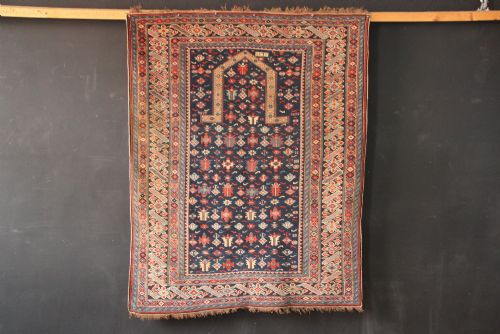
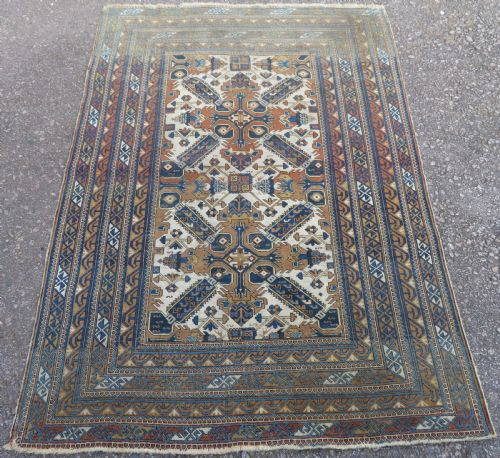
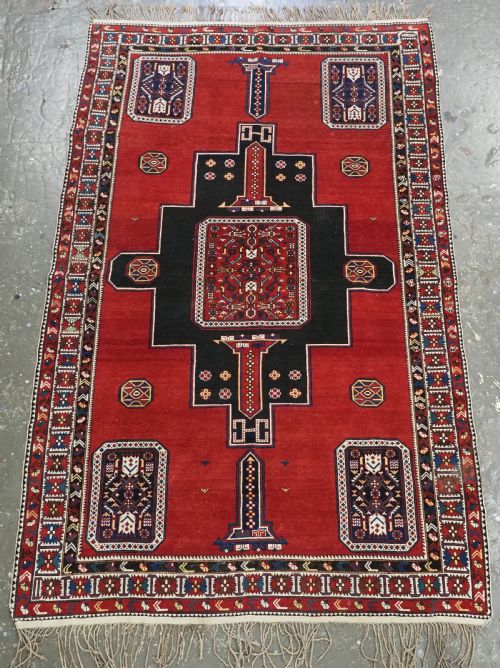
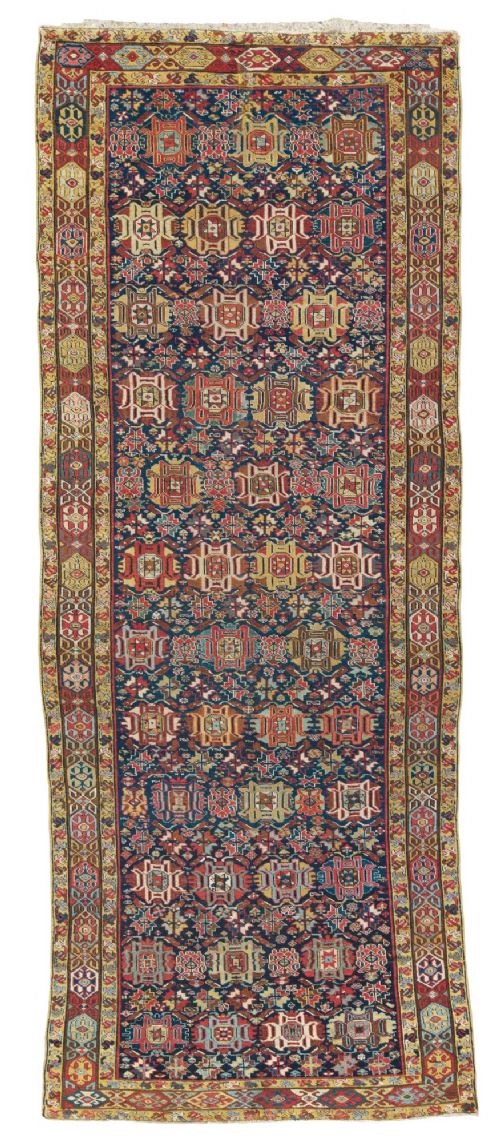
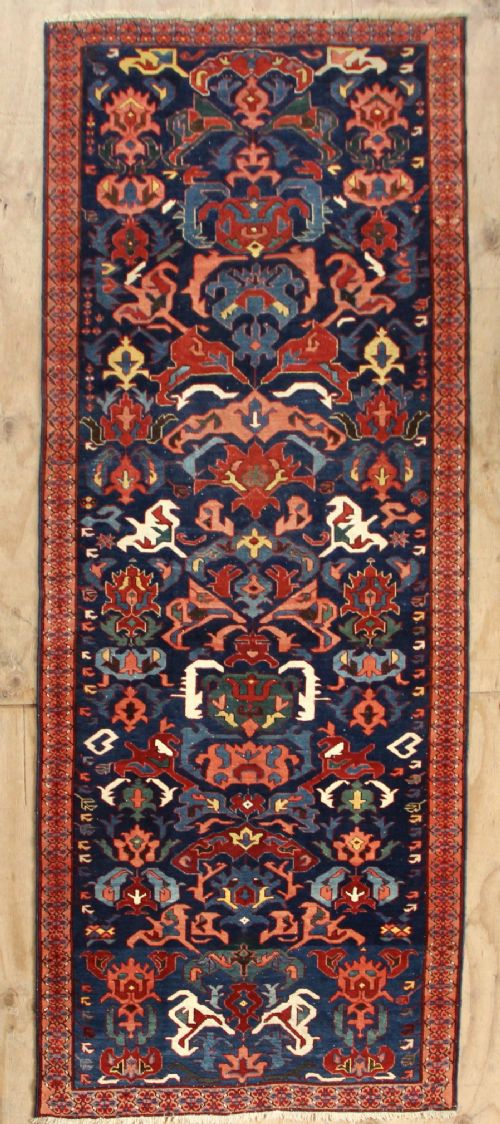
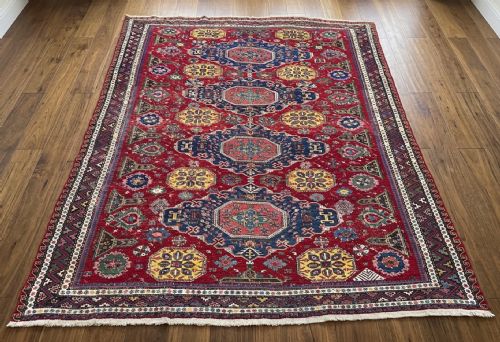
A kuba wool rug is a woven textile originating from the mountainous region of the eastern Caucasus, known for distinct regional designs that include cruciform medallions, blossom motifs, and shield patterns. These pieces span from the mid-nineteenth century through the early twentieth century, reflecting the traditional weaving patterns of Caucasian tribal makers.
Buyers encountering this page meet various formats, ranging from small prayer rugs and square formats to long runner rugs and large kelims. The Konagkend, Alpan, Perepedil, Seychour, Afshan, and Karagashli types appear frequently among the listings, each displaying specific geometric arrangements and border structures.
The wool used in these rugs defines their tactile character, paired with traditional flatweave kilim structures or knotted pile surfaces such as Soumak carpets. The palette shifts from bright tones to soft faded colours influenced by age and natural dyes.
How They Were Made
Kuba rugs are constructed entirely from wool, utilising traditional hand-knotting techniques or flatweave methods on upright looms. The pile surfaces provide durability and depth, while flatweave kilims and Soumak structures offer lighter, textural alternatives.
Weavers employed natural dyeing methods to achieve the rich colour palettes seen across the nineteenth and early twentieth century. These materials result in resilient textiles capable of enduring generations of use.
Kuba Wool Rug Retail Price Guide 2026
Typical asking prices for kuba wool rug among the pieces listed under this phrase on Sellingantiques today, from the lower quarter to the upper quarter. They describe what is for sale here now, not the wider market.
Every tribal weaver left subtle asymmetries in the geometric borders, ensuring no two antique rugs share the exact same hands.
What Varies in Quality
Quality in a kuba wool rug rests upon the precision of the weave and the clarity of the geometric design. Finer knotting allows intricate patterns like the Perepedil or Konagkend motifs to appear sharp and well-defined.
The condition of the wool pile and the integrity of the original edges and borders dictate the structural preservation of the rug. Pieces retaining full pile alongside harmonious, undisturbed colour distribution stand apart from heavily restored examples.
The Kuba Wool Rug Glossary
- Kelleh
- A large format carpet, typically longer than it is wide, designed for specific room proportions.
- Soumak
- A flatweave technique involving wrapping supplementary weft threads around the warp to create a textured, durable surface without a traditional cut pile.
- Prayer Rug
- A textile featuring a distinct mihrab or niche design, traditionally used for personal devotion.
- Kilim
- A flatweave textile produced without pile, resulting in a lightweight structure with geometric patterns visible on both sides.
- Medallion
- A central ornamental motif dominating the field of the rug, often cruciform or geometric in Caucasian weaving.
Kuba Wool Rug: Frequently Asked Questions
What is a kuba wool rug?
A kuba wool rug is a hand-knotted or flatwoven textile from the eastern Caucasus region, celebrated for its geometric tribal patterns and wool construction.
These pieces date from the nineteenth and early twentieth centuries, showcasing distinct regional designs such as the Perepedil and Konagkend.
How do I identify different types?
Identification relies on recognising specific geometric motifs, such as cruciform medallions, blossom patterns, or shield designs unique to particular Caucasian weaving sub-regions.
Border structures and colour distribution also help distinguish variations like the Seychour or Karagashli types.
Are these rugs suitable for hallways?
Certain formats within this category, specifically narrow runners and long rugs, suit high-traffic hallways and corridors.
Their dense wool construction provides the durability required for areas of frequent movement.
How do I care for an antique wool rug?
Maintenance requires regular gentle vacuuming without a rotating brush roll to protect the wool fibres and antique knotting.
Professional cleaning suited for antique textiles preserves the natural dyes and structural integrity over time.