
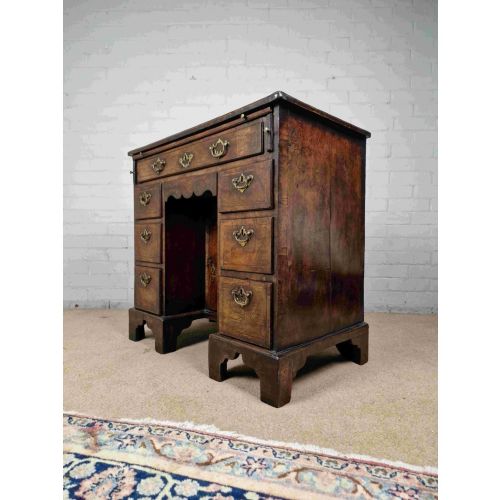
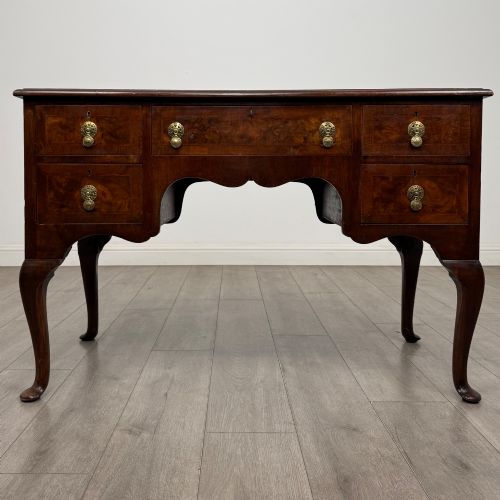
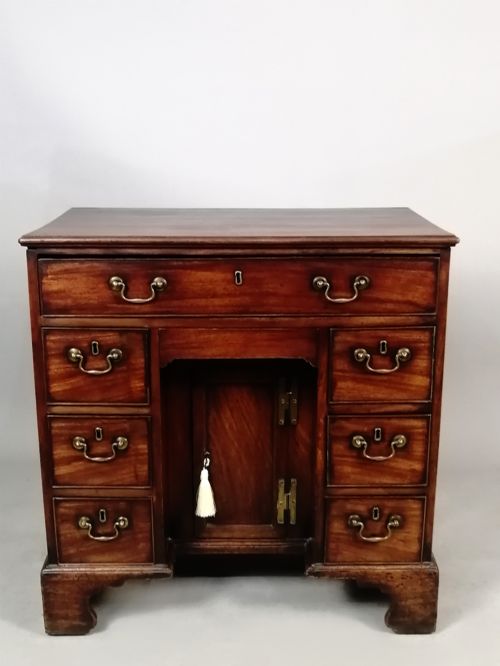
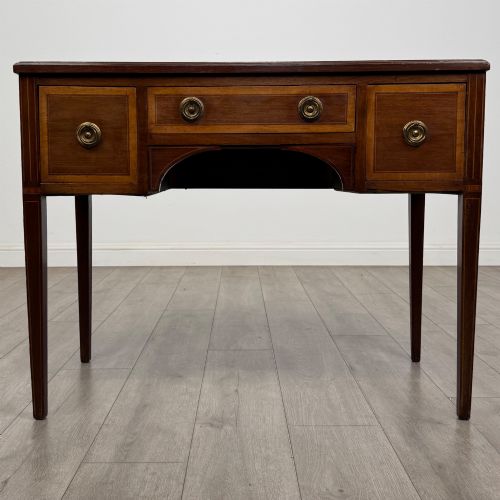
Kneehole Dressing Desk
A kneehole dressing desk offers a refined blend of personal grooming space and compact writing surface.
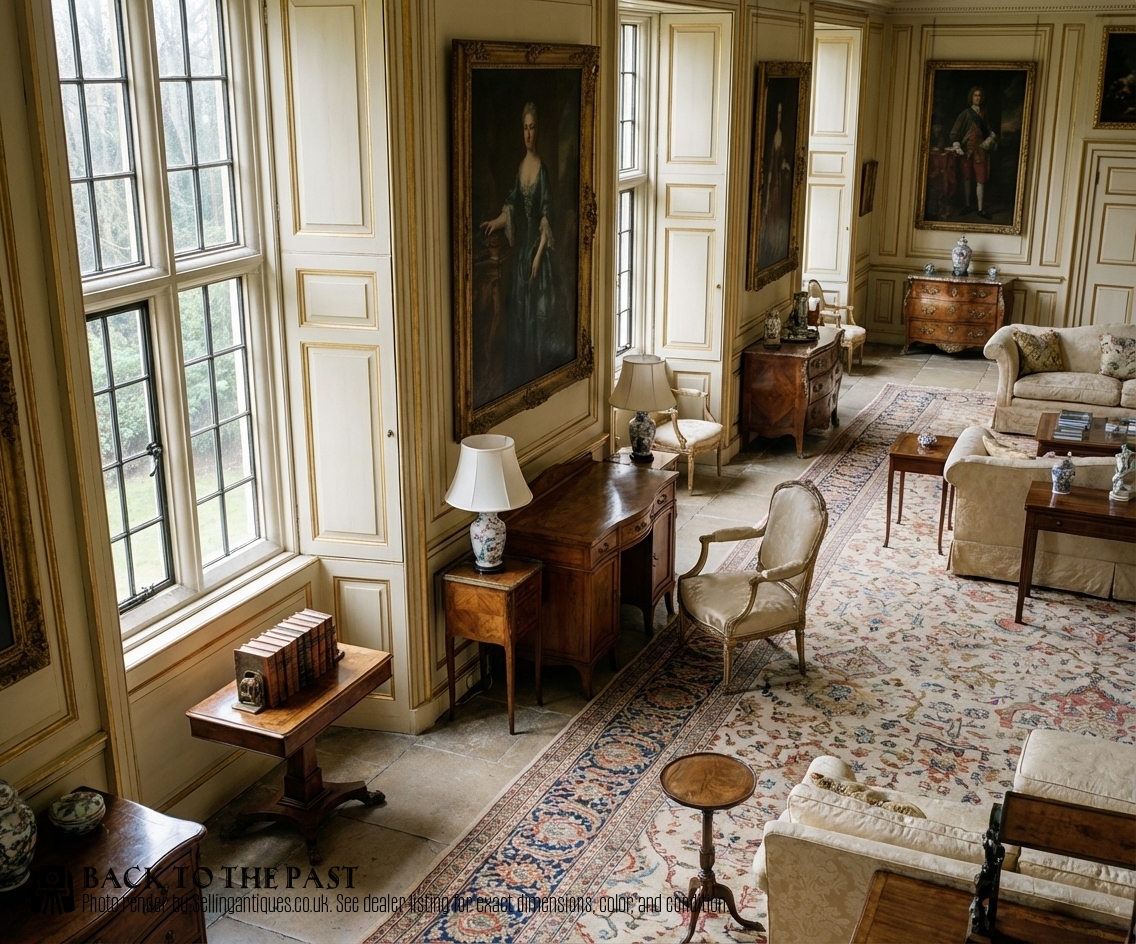
Kneehole Dressing Desk
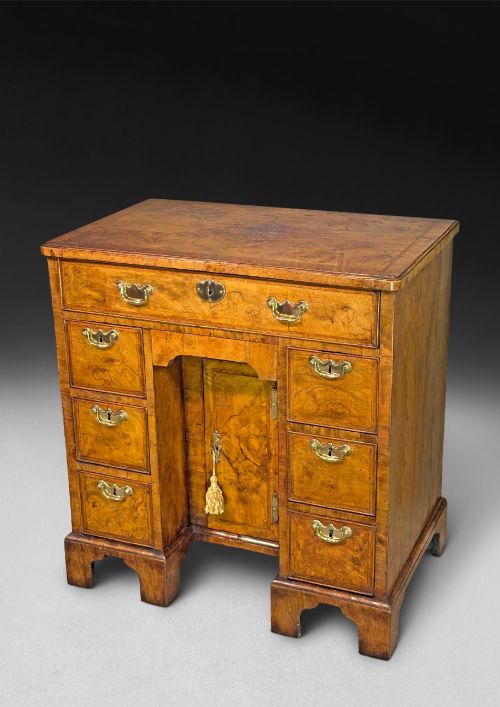
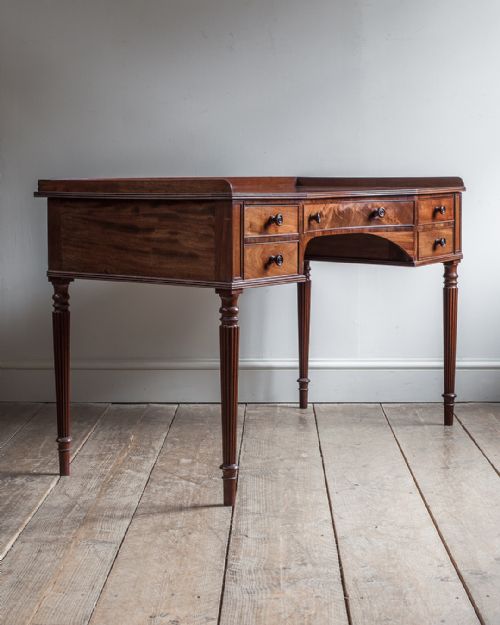
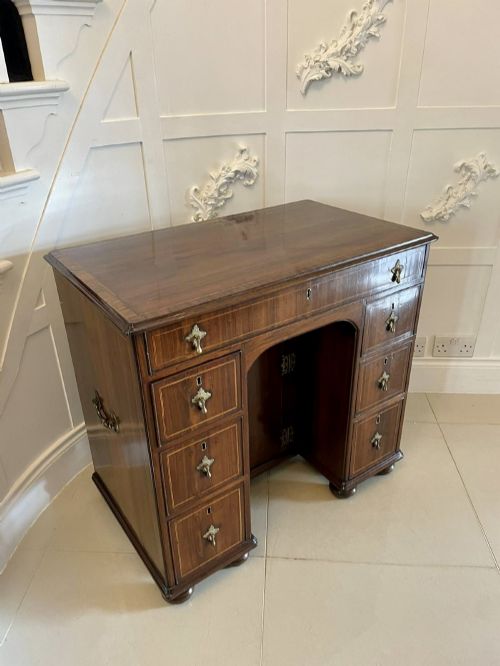
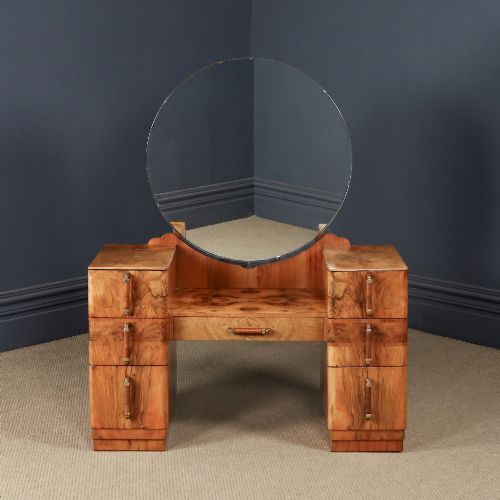
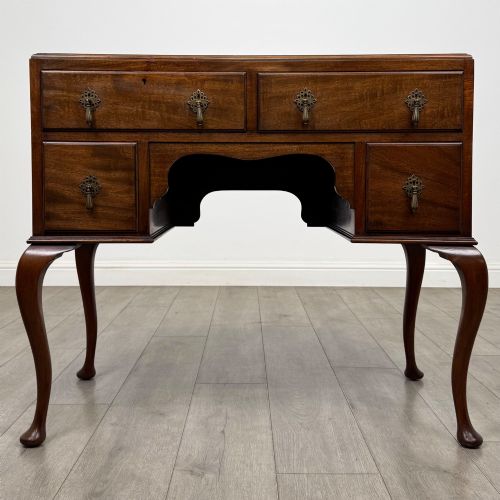
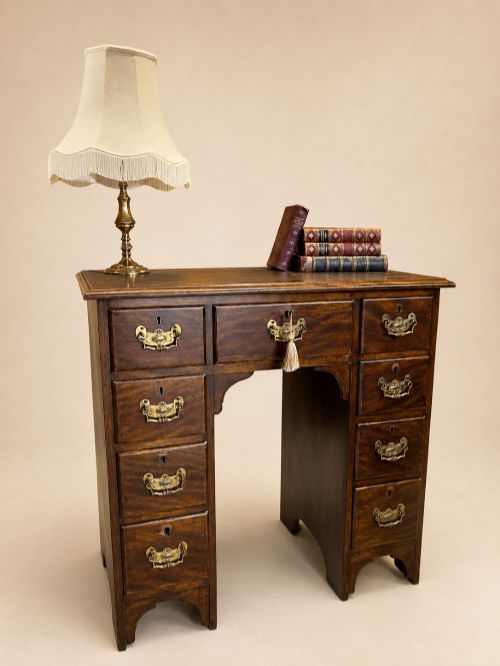
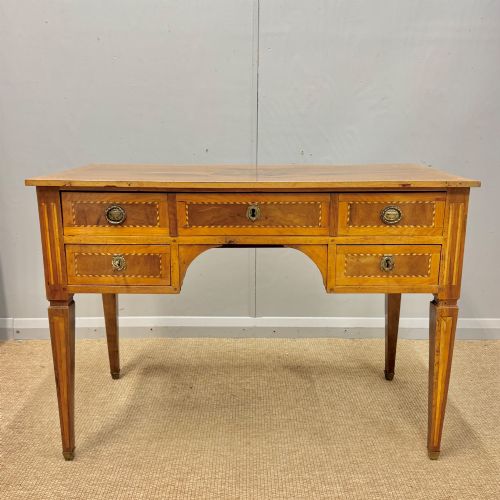
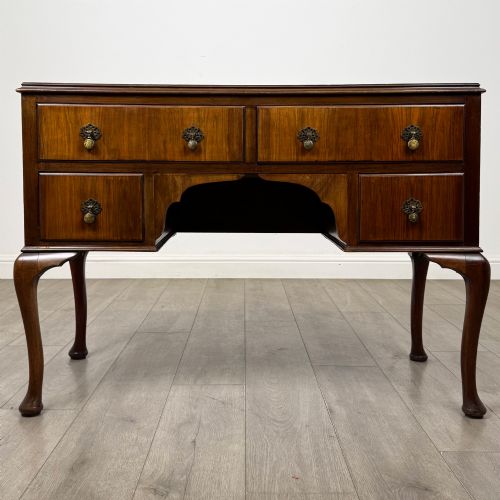
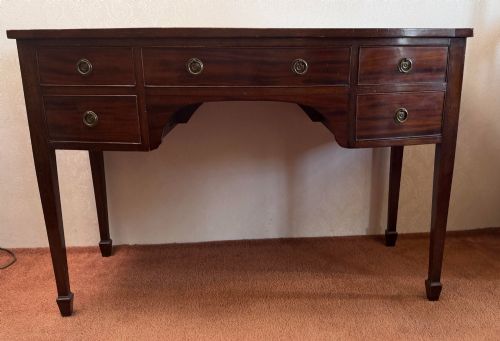
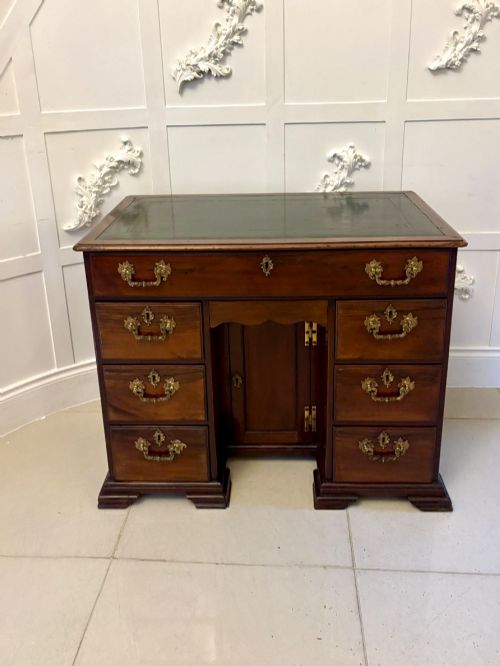
A kneehole dressing desk combines the drawers and central recessed space of a pedestal desk with the surface arrangements of a dressing table. You will find these pieces spanning the eighteenth century through to the Edwardian period and the Art Deco era.
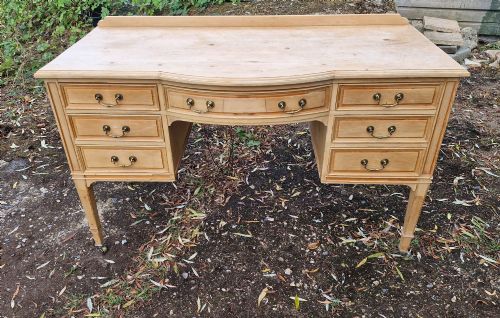
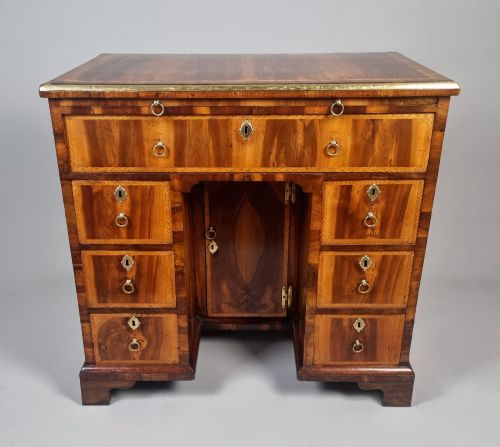
The form typically incorporates a central kneehole recess flanked by banks of small drawers, often topped with a writing surface or mirrored vanity setup. Examples range from compact Georgian walnut designs to later Edwardian mahogany iterations.
How They Were Made
Cabinetmakers utilised timber veneers such as figured walnut, burr walnut, and mahogany over secondary woods, often applying marquetry or lacquer for decorative effect. Solid timbers like oak and yew also formed the robust carcass structures.
Hardware played an integral role in the construction, featuring brass handles and escutcheons that secured the multiple small drawers typical of these pieces. Leather inserts occasionally provided durable writing surfaces on the top.
Secret compartments occasionally hide behind the neat rows of drawers, waiting for a misplaced love letter.
What Varies in Quality
The sophistication of the timber figure and grain selection largely dictates the visual merit of the piece. Highly figured burr walnut and fiddleback walnut sit at the upper end of the scale compared to plain pine or standard mahogany.
Construction details such as the presence of original brass hardware, fine dovetailing on the multiple drawers, and the integrity of secondary woods distinguish superior workshops from later revival pieces.
Wylie & Lochhead Glasgow
The Kneehole Dressing Desk Glossary
- Kneehole
- A recessed space beneath the central section of a desk or dressing table designed to accommodate the user's legs. This arrangement allows for banks of drawers on either side.
- Lowboy
- A small table with drawers supported on four legs, often serving as a precursor or alternative to the kneehole dressing table. They frequently date from the eighteenth century.
- Secretaire
- A desk featuring a pull-down writing flap that conceals a fitted interior of small drawers and pigeonholes. It frequently combines with dressing chest formats.
- Marquetry
- Decorative veneer work formed by pieces of contrasting wood or other materials fitted into a glued wood foundation. It creates elaborate pictorial or geometric patterns across the surface.
- Chinoiserie
- European imitation of Chinese and East Asian artistic motifs, typically applied as lacquered decoration on furniture. This style appears on select twentieth-century pieces.
Kneehole Dressing Desk: Frequently Asked Questions
What is a kneehole dressing desk?
A kneehole dressing desk is a compact item of furniture featuring a central recessed space for the legs, flanked by multiple small drawers. It bridges the function of a personal dressing table and a writing desk.
Historically, these pieces served both polite correspondence and morning toilet preparations. They suit modern bedroom or study spaces where floor space is at a premium.
How do I date a kneehole desk?
Dating relies on examining the timber species, construction techniques, and overall stylistic revival periods. Eighteenth-century examples often feature figured walnut or mahogany with hand-cut dovetails.
Later Edwardian and Art Deco iterations display different veneer choices, such as birdseye maple or burr walnut, alongside twentieth-century hardware methods. Comparing the secondary woods inside the drawers also clarifies the era.
Were these desks used for writing?
Many examples served a dual purpose for both grooming and writing correspondence. The inclusion of fitted drawers made them versatile for storing papers, inks, and personal items.
Some variants incorporate leather writing surfaces or fold-down secretaire drawers specifically tailored for written tasks. Their compact proportions made them ideal for private chambers and dressing rooms.
How do I live with antique walnut?
Living with antique walnut involves maintaining stable room humidity to prevent the fine veneers from lifting or splitting. Avoid placing the furniture in direct sunlight or close to heat sources.
Routine dusting with a soft, dry cloth preserves the polished finish of the timber. Occasional waxing helps nourish the grain without building up excessive residue.