





Khamseh Wool Rug
When you search for a khamseh wool rug, you enter the distinctive weaving traditions of the nomadic and tribal confederations of south-west Persia.
Khamseh Wool Rug
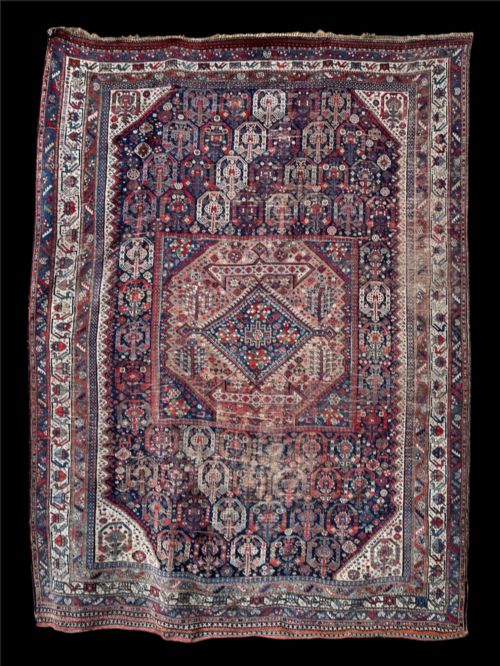
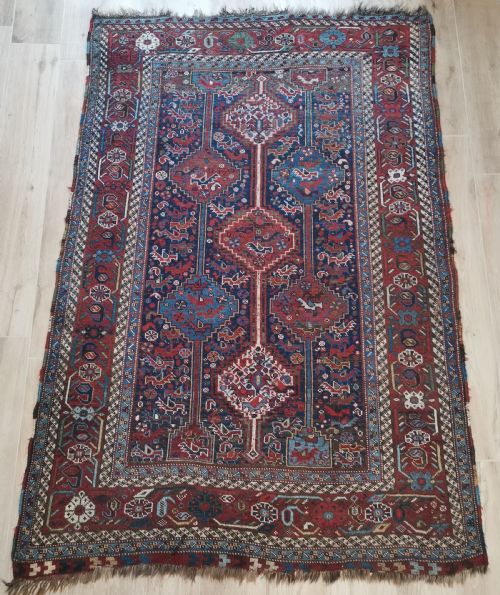
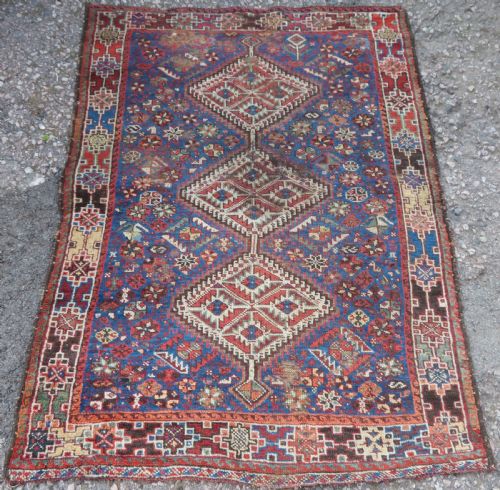
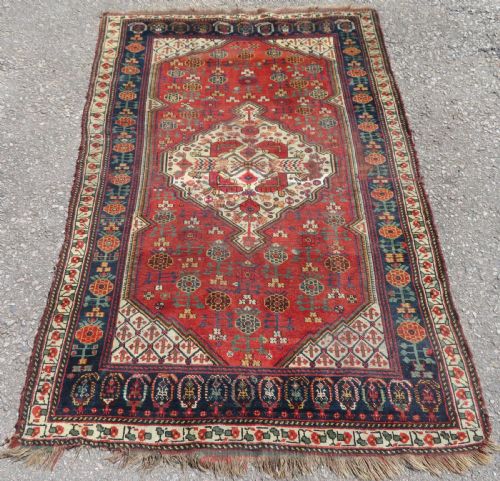
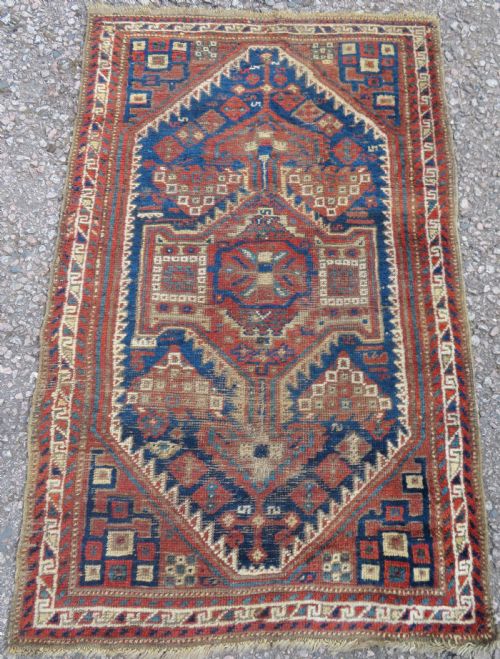
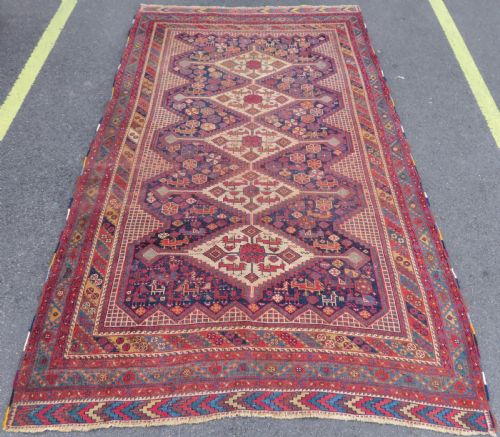
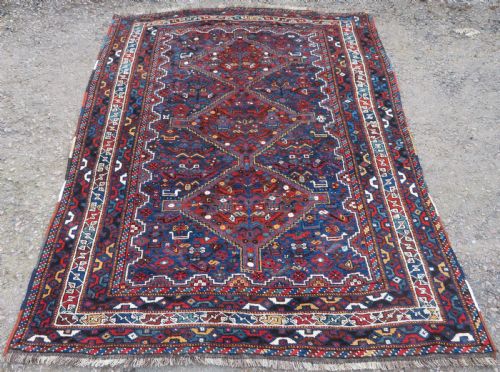
A khamseh wool rug embodies the tribal heritage of south-west Persia, produced by confederations such as the Arab, Baharlu, Basseri, and Shekarlu tribes. These pieces range from small bag faces and saddlebags to substantial area rugs and main carpets.
The most common formats on this page include room-sized carpets and smaller tribal rugs displaying characteristic motifs like the tree of life, pomegranate patterns, and chicken or morghi designs. Collectors frequently encounter pieces linked through trade and proximity to Qashqai and Luri weaving traditions.
Originating predominantly from the Fars province, these floor coverings reflect nomadic life through asymmetrical village formats and utilitarian saddlebag configurations. Their utility spans centuries of domestic use, transforming functional nomadic items into collectable textile art.
Materials and construction methods
The foundation of a khamseh wool rug relies on hand-spun wool and cotton, utilising sturdy hand-weaving techniques suited to nomadic environments. Artisans employed natural dyes to achieve deep palettes across the field and borders.
Pile constructions are hand-woven onto flexible foundations, allowing the carpets to endure generations of foot traffic while maintaining their supple handle. The integration of local wool varieties gives each textile its characteristic tactile weight and density.
Several rugs feature cheerful chicken motifs, proving that nomadic weavers enjoyed adding a touch of farmyard charm to their heavy winter carpets.
Elements of distinction and grade
Quality in these textiles depends upon the precision of the hand-weaving and the clarity of the natural dyes used within the tribal motifs. Finer knot densities and well-balanced compositions elevate certain examples above standard utilitarian pieces.
The crispness of specific border designs, such as the Shekarlu pattern, alongside the saturation of the wool, dictates the visual impact of the rug. Integrity of the tribal iconography and overall structural preservation distinguish the upper tier of surviving examples.
The Khamseh Wool Rug Glossary
- Khamseh
- A confederation of five distinct tribes in south-west Persia sharing pastoral and weaving traditions. Their merged stylistic elements define the group.
- Khorjin
- A traditional double-sided saddlebag utilised by nomadic groups for transport and storage. Surviving examples often appear as complete pieces with backs or as isolated bag faces.
- Kelleh
- A long, narrow carpet format traditionally suited to specific room dimensions in Persian domestic architecture. These runner-like proportions differ from square main carpets.
- Morghi
- A specific motif incorporating stylized chickens or birds into the rug's field design. This whimsical imagery holds symbolic value in tribal folklore.
- Baharlu
- One of the sub-tribes belonging to the Khamseh confederation known for distinct weaving characteristics. Their textiles often display recognizable geometric arrangements.
Khamseh Wool Rug: Frequently Asked Questions
What is a khamseh wool rug?
A khamseh wool rug is a hand-woven textile created by the nomadic and confederated tribes of south-west Persia. These pieces incorporate distinct regional motifs reflecting the pastoral life of their makers.
They serve as both utilitarian floor coverings and expressions of tribal identity, utilising natural dyes and hand-spun materials.
How were these rugs used originally?
Tribal families used these textiles primarily as floor coverings, tent furnishings, and practical storage containers. Saddlebags, or khorjin, carried personal belongings during seasonal migrations.
Over time, larger formats transitioned into reception carpets and decorative items within village and nomadic dwellings.
How do I identify different tribal designs?
Identifying specific tribal origins involves examining the border configurations, central medallions, and specific motifs like the tree of life or pomegranate patterns. Sub-tribes such as the Arab-Jabbareh or Baharlu often employed signature design elements.
Comparing structural details and colour palettes helps differentiate Khamseh work from neighbouring Qashqai or Luri weaving.
How should I care for an antique rug?
Preserving an antique wool textile requires gentle vacuuming without a rotating brush to protect the hand-spun pile. Keeping the rug away from direct, harsh sunlight prevents the natural dyes from fading over time.
Professional rug cleaners familiar with antique Persian textiles should handle any washing or major maintenance needs.