
Jardiniere Plant Stand
A jardiniere plant stand brings structure to interior greenery, elevating pots and planters while offering a decorative furniture piece for the room.
Jardiniere Plant Stand
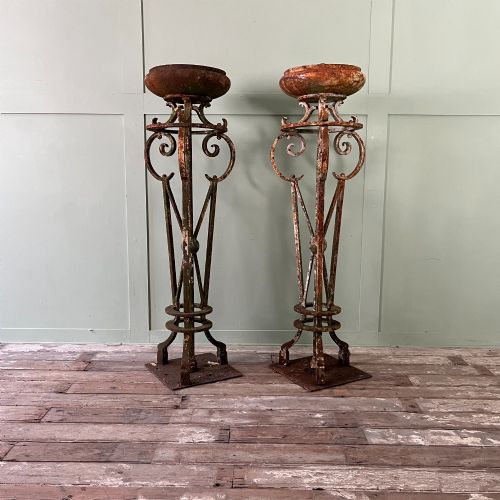
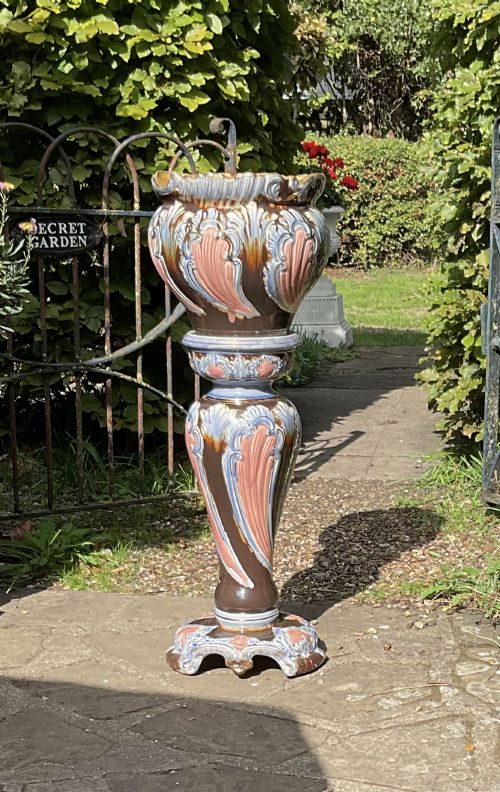
A jardiniere plant stand serves as an elevated support for potted plants, indoor greenery, and decorative bowls within a living space. These pieces function as dedicated plant furniture, bridging the gap between utilitarian garden accessories and interior display tables.
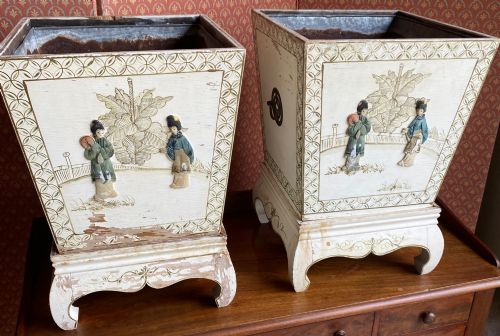
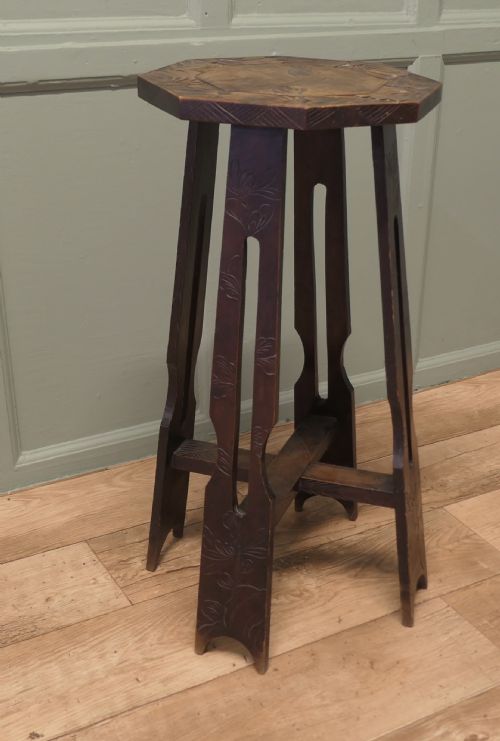
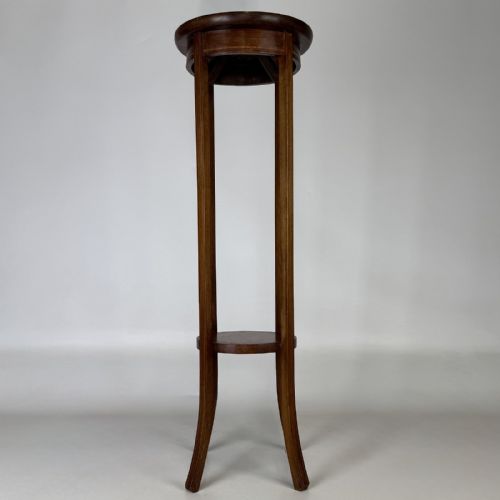
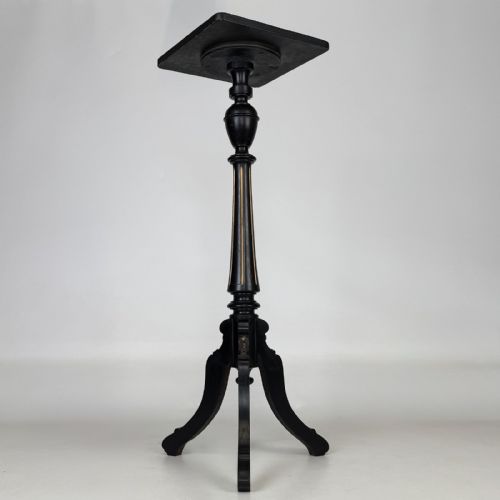
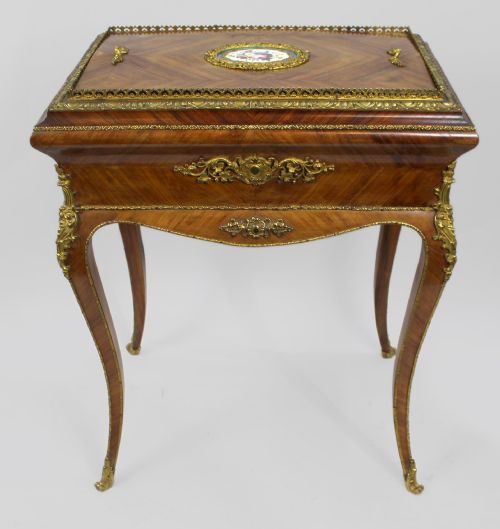
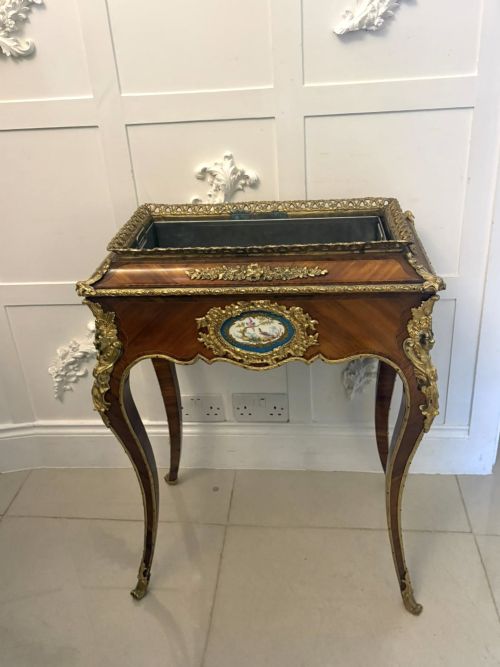
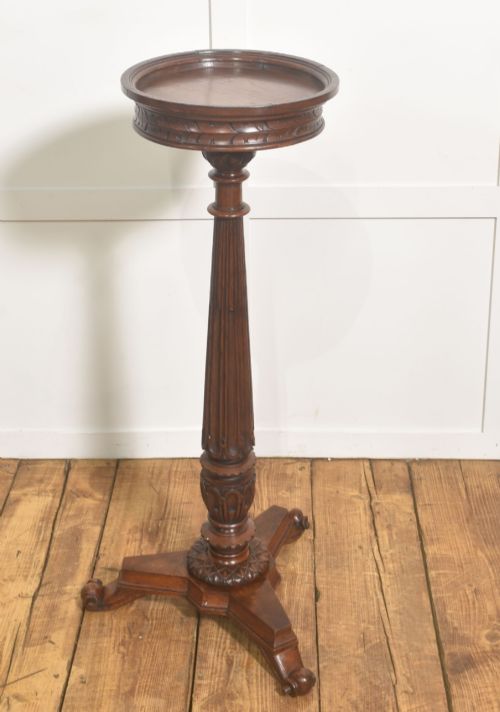
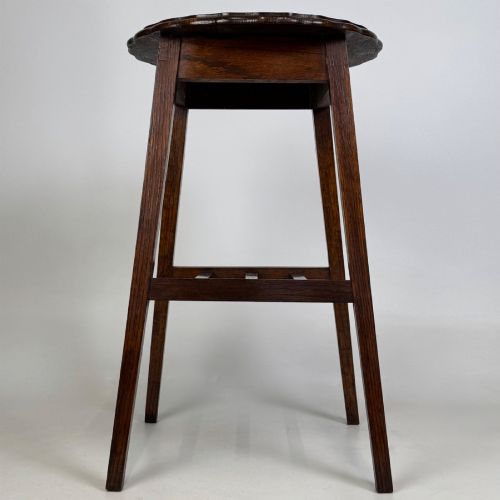
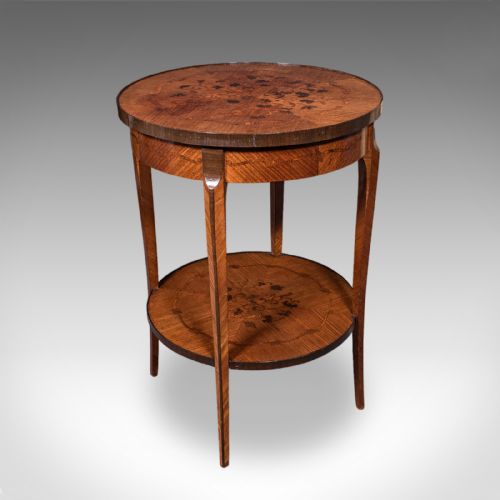
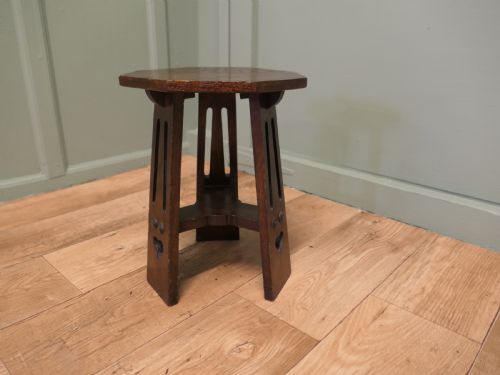
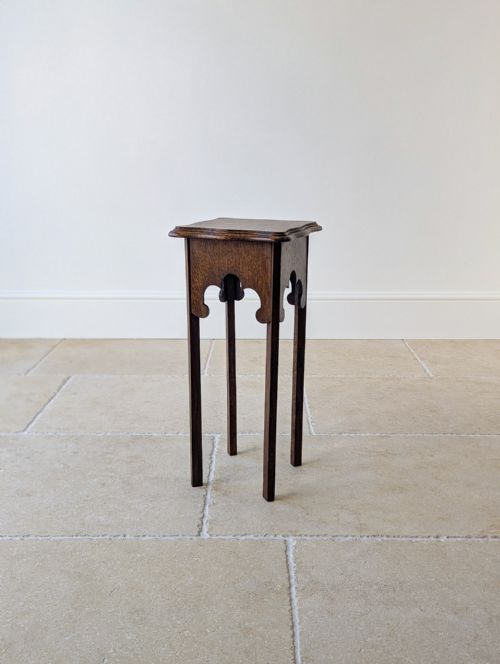
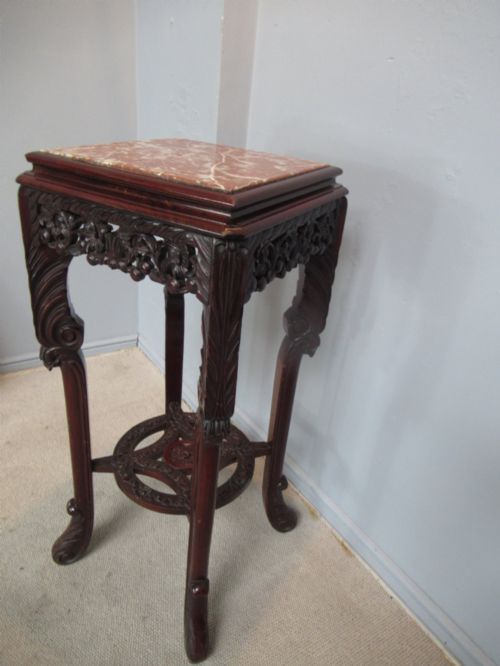
The selections available range widely across periods, encompassing Edwardian mahogany designs, Arts and Crafts oak tables, and nineteenth-century French styles. Buyers encounter everything from simple timber pedestals to elaborate marble-topped and metal-mounted stands.
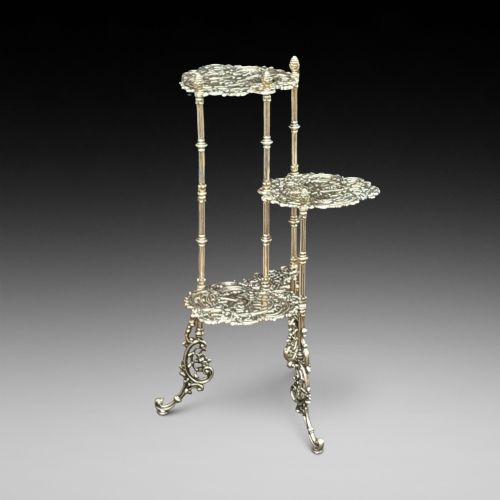
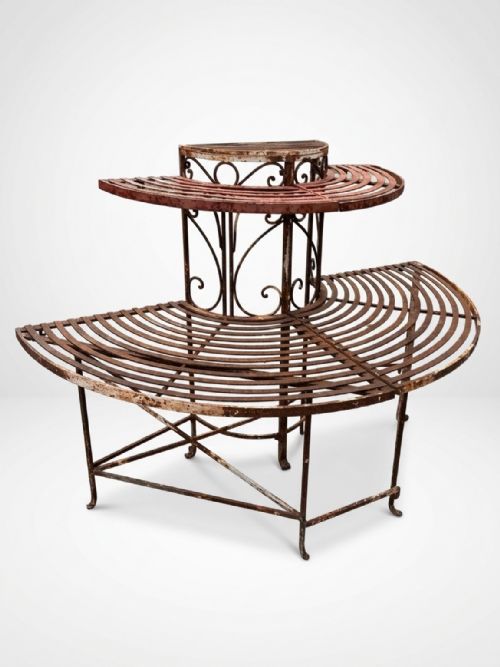
Forms vary from single-tier columns and torcheres to multi-tiered occasional tables and specialised planter bases with integrated trays or metal liners. Many examples double as lamp tables or wine coolers depending on their depth and construction.
What Varies in Quality
Material selection dictates the primary tier of quality, distinguishing solid hardwoods and fine veneers from simple stained pine or basic softwood constructions. The presence of integrated marble tops, hand-carved detailing, or cast bronze mounts elevates a piece above standard utility items.
Construction methods and timber selection determine structural integrity, separating rigid, well-joined frames from pieces weakened by moisture exposure. The finesse of inlay work, turning, and metal casting reveals the skill level of the original workshop.
Some nineteenth-century stands doubled as ice bucket holders, proving that Victorians took their indoor palm displays and chilled beverages equally seriously.
Liberty of London
The Jardiniere Plant Stand Glossary
- Jardiniere
- An ornamental pot or stand designed to hold plants or flowers indoors. They frequently feature waterproof inserts or lead liners to protect the surrounding timber.
- Torchere
- A tall, slender stand originally intended to support a candle or lamp. In plant displays, they provide vertical height variation.
- Ormolu
- Gilded bronze ornamentation applied to furniture and decorative objects. This technique was popular in French nineteenth-century pieces.
- Boulle
- A style of marquetry utilising brass and tortoiseshell inlaid into dark woods. It appears on French Napoleon III stands.
- Padouk
- A heavy, durable tropical hardwood utilised in Asian furniture and plant stands. Its reddish tone deepens with age.
Jardiniere Plant Stand: Frequently Asked Questions
How were antique jardiniere stands used?
These stands functioned primarily as elevated platforms for potted indoor plants, ferns, and floral arrangements in Victorian and Edwardian parlours. By raising plants off the floor, they protected carpets from moisture and displayed botanical specimens at eye level.
Many designs doubled as incidental furniture or lamp tables when planters were removed. Some versatile examples also served as wine coolers or decanter caddies during social gatherings.
Where should I place a plant stand at home?
Plant stands suit corners, window alcoves, and entrance halls where they add vertical interest without obstructing walkways. Their compact footprints allow them to fit into narrow spaces alongside seating or beneath wall art.
Pairing a stand with trailing greenery or a ceramic bowl highlights its architectural form. They work effectively in living rooms, hallways, and sunrooms.
How do I tell Edwardian stands from Victorian ones?
Victorian stands tend to feature heavier proportions, darker woods like walnut or rosewood, and elaborate carvings or brass mounts. They often incorporate marble tops and dense ornamentation suited to formal nineteenth-century interiors.
Edwardian examples generally display lighter construction, frequent use of mahogany with satinwood inlay, and simpler Arts and Crafts influences. They lean towards airier, more restrained designs with slender legs and subtle stringing.
What maintenance do antique wood and metal stands need?
Wooden surfaces require gentle dusting and occasional waxing to preserve the finish against dry indoor air. Using protective saucers beneath pots prevents water rings and moisture damage to antique veneers.
Brass and bronze components benefit from sparing cleaning to maintain their aged patina without stripping historical surfaces. Wrought iron elements simply need dry cloth maintenance to remain stable.