
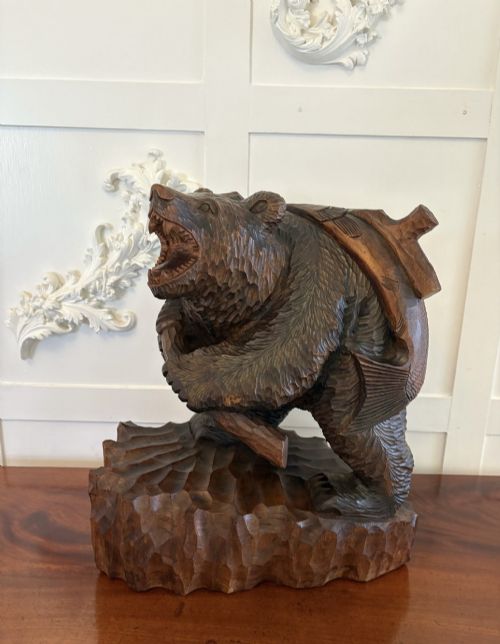
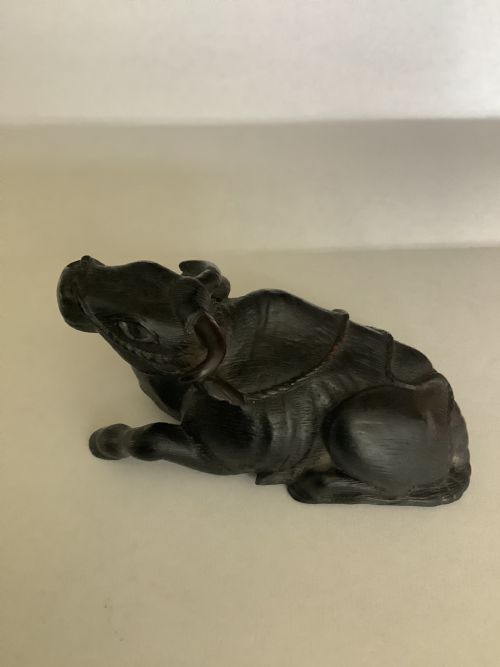
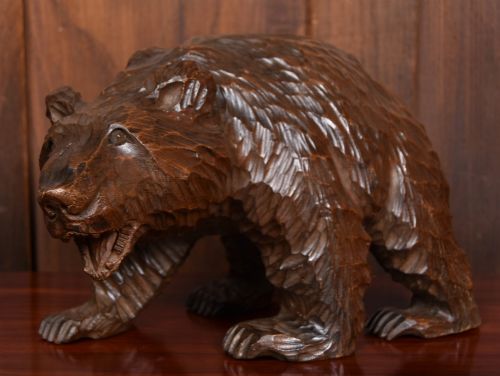


Japanese Wood Figurine
These japanese wood figurine examples bring remarkable carving and character to a room, offering genuine Meiji period craft and folk art traditions.
Japanese Wood Figurine
When you search for japanese wood figurine, you encounter hand-carved sculptures, netsuke, and okimono originating from the nineteenth century and the Edwardian era. These works depict bears, deities, animals, and human figures carved with distinct regional character.
The most frequent examples on this page are boxwood and linden wood carvings from the Meiji period, alongside traditional Japanese folk art pieces. Smaller netsuke and okimono sit alongside larger decorative sculptures and statues.
Subjects range from figures of deities like Ebisu and Fukurokuju to animal studies including bears, tigers, rabbits, and rodents. Each object serves as a display piece or a functional miniature toggle depending on its original purpose.
How they were made
Carvers utilised boxwood, linden wood, hardwood, and bamboo, working the material with hand tools to achieve detailed surface textures. Techniques include the nata-tsukuri style, which leaves intentional hatchet marks for a rustic finish.
Many of the finer works feature intricate incisions and smooth polishing that highlight the natural grain of the wood. Artisans also incorporated signatures, marking their creations to indicate individual studio or maker production.
Listings feature 19th Century, Edwardian, and 1900 periods, alongside materials such as boxwood, linden wood, and bamboo.
What varies in quality
The standard of carving defines the distinction between standard items and exceptional examples, particularly in the rendering of facial expressions and anatomical detail. Fine hairwork, lifelike posture, and balanced composition separate master carvers from simpler folk art productions.
Signatures by recognised artists add significant interest and demonstrate a higher level of workshop execution. The choice of dense timbers like boxwood often permits sharper detail than softer woods, influencing the crispness of the final sculpture.
Tomochika
The Japanese Wood Figurine Glossary
- Okimono
- A Japanese ornamental carving designed for display on a tokonoma or shelf. These decorative sculptures typically depict figures, animals, or mythical subjects.
- Netsuke
- A small carved toggle fastened to the end of a cord attached to a small container worn on the kimono sash. They feature a small hole or channel for the cord.
- Meiji Period
- The era in Japanese history spanning from 1868 to 1912, characterised by opening to Western trade and a flourish of decorative arts. Carvings from this time show high technical proficiency.
- Kibori Kuma
- A style of Japanese wood-carved bear originating from Hokkaido folk art traditions. These pieces often depict the animal holding a fish in its mouth.
- Boxwood
- A dense, pale wood prized by carvers for its fine grain and ability to hold intricate detail without splintering.
Japanese Wood Figurine: Frequently Asked Questions
What is a japanese wood figurine?
These pieces comprise hand-carved wooden sculptures, netsuke, and okimono created in Japan during the nineteenth century and Edwardian period. They portray animals, mythological figures, and human subjects using traditional carving techniques.
Subjects range from traditional deities to bears and tigers. Collectors value them for their craftsmanship and historical association with the Meiji era and folk art traditions.
How were netsuke used?
Netsuke functioned as toggles on the cords of suspended pouches and small containers worn suspended from the kimono sash. Their carved form prevented the cord from slipping through the fabric.
Over time, these practical items evolved into highly detailed miniature sculptures collected for their artistry. Their small scale required immense skill from the carver.
How do I identify a Meiji period carving?
Meiji period pieces often display naturalistic detailing, dynamic animal postures, and occasional artist signatures carved directly into the wood. The transition toward international exhibition during this era encouraged finer technical execution.
Common materials from this period include boxwood and hardwood, shaped into figures of deities, daily life, and wildlife. These works reflect both traditional motifs and refined studio production.
What is nata-tsukuri style?
Nata-tsukuri is a carving technique that utilises hatchet marks to shape the wooden surface, leaving visible tool textures rather than a smooth finish. This approach imparts a rustic, unrefined aesthetic to the sculpture.
Artists employed this method in certain figurative works to emphasise the natural qualities of the wood. It contrasts sharply with the high polish seen on miniature boxwood carvings.
How should I display wood sculptures?
Place these wooden carvings away from direct sunlight and fluctuating humidity to protect the timber from drying and splitting. Stable indoor conditions help preserve the original finish and any delicate carved details.
Allow sufficient space around larger animal sculptures or okimono so the carving can be viewed from multiple angles. Gentle dusting with a soft brush maintains the surface without introducing moisture.