





Antique Wooden Okimono
These antique wooden okimono are carved Japanese sculptures and figurines spanning the nineteenth century and the Meiji period.
Antique Wooden Okimono
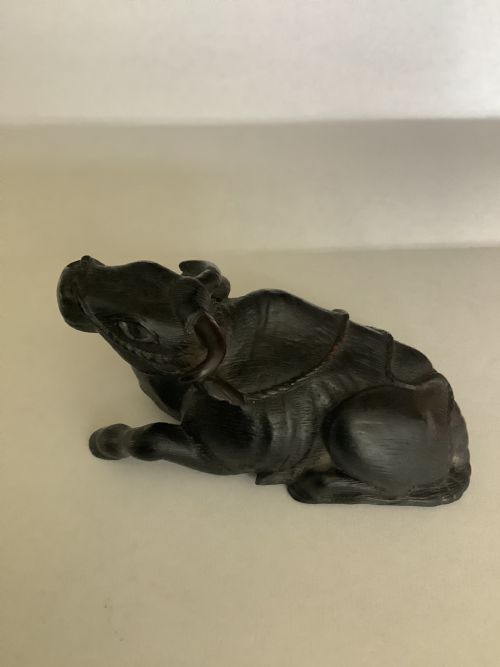
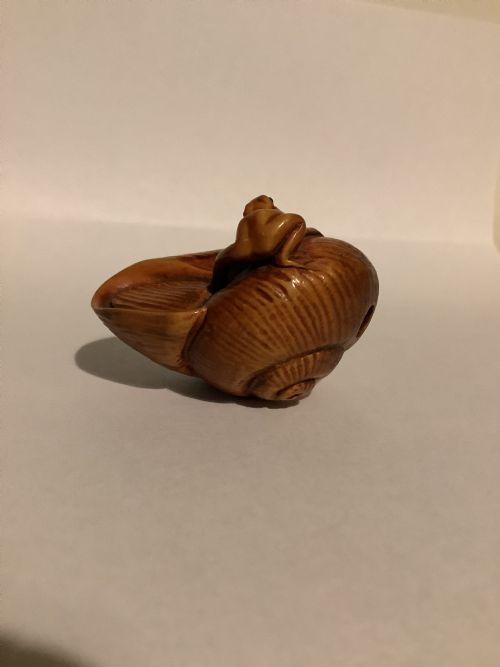
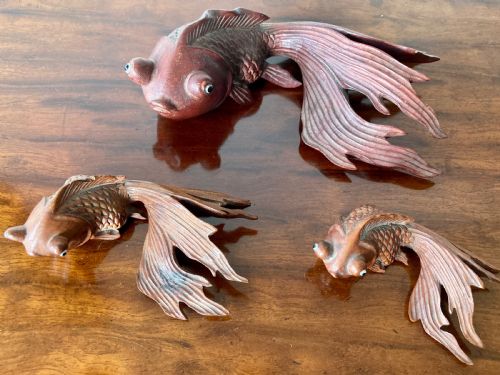
When you search for antique wooden okimono, you are looking at small Japanese carvings that served as decorative objects or paperweights. The examples here include figures of men, gods, rodents, rabbits, frogs, and fish.
Most pieces on this page originate from the nineteenth century and the Japanese Meiji period. Makers shaped boxwood, hardwood, and other carved woods into detailed sculptures and netsuke.
Forms range from compact netsuke to larger figures reaching seventy-two centimetres in height. Subjects span deities like Ebisu and Fukurokuju alongside animals and clusters of nuts.
How they were made
Artisans carved these sculptures from boxwood, hardwood, and dark stained wood. Some pieces incorporate glass details alongside the carved wood.
The makers utilised precise hand-carving techniques to render fine details such as animal fur, human facial expressions, and textures on natural subjects like a cluster of nuts.
The listings here span the nineteenth century, Edwardian period, and the Meiji period, executed entirely in boxwood, hardwood, and carved wood.
What varies in quality
Quality rests upon the precision of the carving and the depth of detail achieved in the wood. Signatures by makers like Tomochika elevate specific pieces above anonymous works.
The liveliness of the subject, whether a toad paperweight or a figure of a man, distinguishes standard carvings from exceptionally rendered sculptures.
Tomochika
The Antique Wooden Okimono Glossary
- Okimono
- A Japanese display piece or carved figurine intended for interior decoration. These objects sit on shelves or desks rather than serving a practical clothing function.
- Netsuke
- A small carved toggle with holes used to secure a pouch or container to a traditional Japanese kimono sash. Many examples function equally well as miniature sculptures.
- Boxwood
- A dense, pale wood favoured by carvers for holding intricate detail without splintering. It darkens gracefully with age and handling.
- Meiji Period
- The era in Japanese history spanning from eighteen sixty-eight to nineteen twelve. This period produced many of the detailed export carvings found in Western collections.
- Edo Period
- The historical era preceding the Meiji period in Japan, running from sixteen hundred and three to eighteen sixty-eight. Pieces from this era reflect earlier aesthetic traditions.
Antique Wooden Okimono: Frequently Asked Questions
What is an okimono?
An okimono is a Japanese freestanding sculpture designed purely for display in a room rather than for practical utility.
These pieces range from small animal figures to detailed human characters and deities.
How were netsuke used?
Netsuke functioned as toggles attached to cords on traditional Japanese robes to suspend pouches and small containers.
Over time, collectors began acquiring them simply as miniature sculptures to display on surfaces.
What woods were used?
Carvers relied primarily on boxwood and other hardwoods for their ability to hold fine detail.
Some pieces also feature dark stains or small glass elements to accent the natural grain.
How do I date these carvings?
Dating relies on stylistic markers from the Edo and Meiji periods alongside nineteenth-century production methods.
Makers' signatures and specific subject matter further help place pieces into eras like the Edwardian period.