


Japanese Wood Carving Sculpture
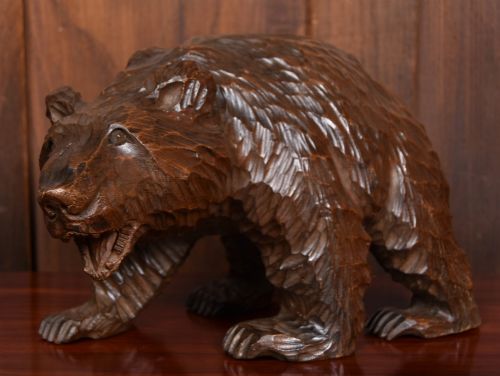
These japanese wood carving sculpture items bring together intricate hand-carved animal figures and figures from the Meiji and Edo periods that collectors prize for their detail.
Japanese Wood Carving Sculpture
When you search for japanese wood carving sculpture, you encounter a distinct array of traditional objects spanning the Edo and Meiji periods alongside Edwardian interpretations.
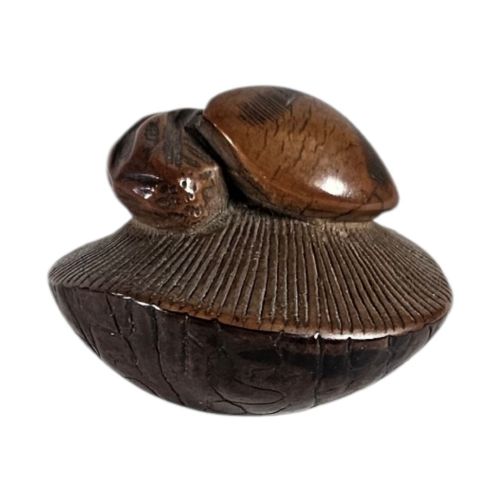
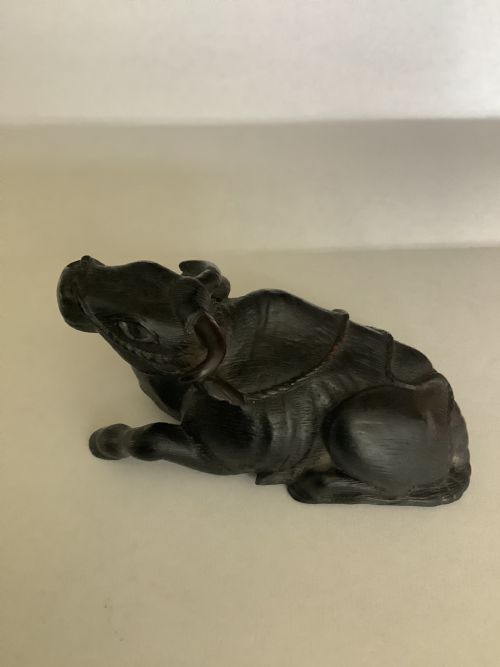
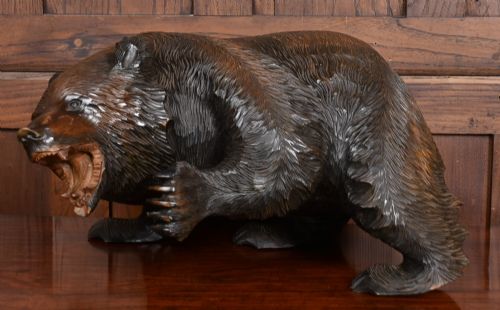
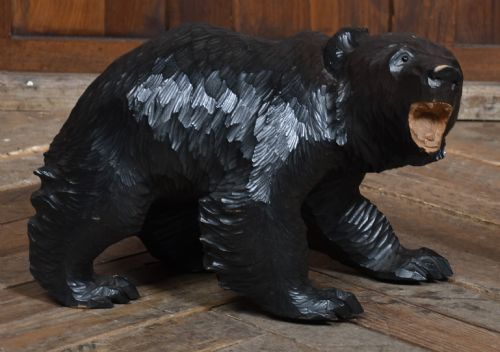
The selections range from miniature boxwood netsuke and okimono depicting animals and deities to substantial wooden bear sculptures, plaques, and figurative statues.
Many of these pieces draw from Japanese folk art traditions, capturing subjects such as frogs, snails, tigers, and human figures with traditional styling.
How they were made
Artisans carved these sculptures primarily from boxwood, linden wood, bamboo, and assorted hardwoods, sometimes applying dark stains or gilt accents to the surfaces.
Techniques relied entirely on meticulous hand-carving methods, as seen in the Nata-tsukuri style and detailed miniature work designed for netsuke and okimono forms.
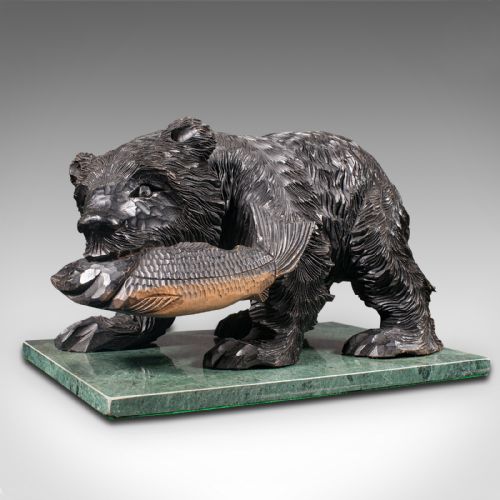
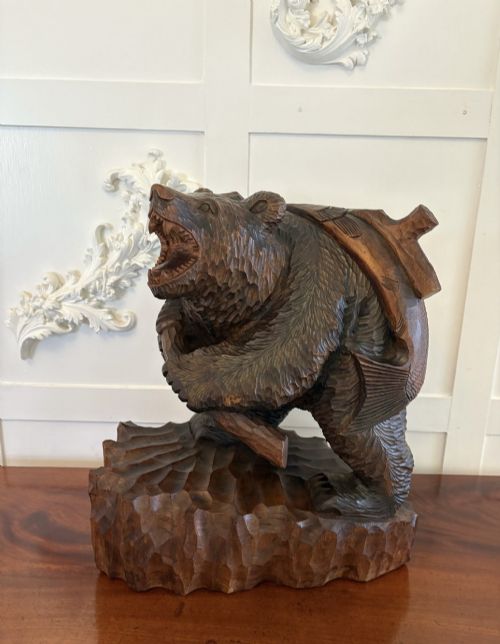
Several bears carry fish.
What varies in quality
The distinction between standard examples and the finest works rests upon the precision of the hand-carving and the naturalism achieved in rendering animal forms and human expressions.
Signature markings from recognised carvers elevate certain netsuke and okimono pieces, reflecting superior workshop execution during the Meiji and Edo periods.
Tomochika·Masayuki·Gyoko
The Japanese Wood Carving Sculpture Glossary
- Netsuke
- A small carved toggle fastened to the end of a cord attached to a small container worn on a traditional Japanese garment.
- Okimono
- A small Japanese wood or ivory statue designed purely for display on a shelf or in a traditional tokonoma alcove.
- Kibori Kuma
- A traditional style of hand-carved wooden bear originating from Hokkaido, often depicted carrying a fish in its mouth.
- Edo Period
- The historical period in Japan lasting from 1603 until 1868, known for distinct artistic and cultural traditions.
- Meiji Period
- The era in Japanese history spanning from 1868 to 1912, marked by increased international exposure for Japanese arts and crafts.
Japanese Wood Carving Sculpture: Frequently Asked Questions
What is a netsuke?
A netsuke is a small carved toggle traditionally used to secure a pouch or container to the sash of a kimono.
Carvers shaped these functional items from boxwood and other hardwoods into intricate figures of animals, humans, and mythological subjects.
How were wooden bear carvings used?
These wooden bear sculptures, often known as Kibori Kuma, served primarily as decorative ornaments in homes and as popular souvenirs.
Craftsmen typically carved them from linden wood, showing the bear holding fish or adopting naturalistic postures.
What is an okimono?
An okimono is a standalone decorative figurine created for display rather than practical utility.
These pieces were placed in household alcoves to showcase the carver's skill in rendering deities, animals, and everyday figures.
How do you date a wood carving?
Dating relies on stylistic markers associated with the Edo and Meiji periods, alongside material choices like boxwood and linden wood.
Signatures from recorded carvers also help establish the approximate production era of individual sculptures.