



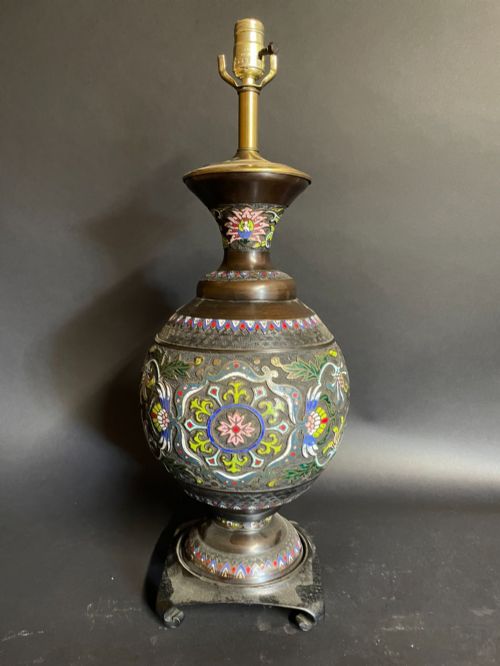
Japanese Vase Table Lamps
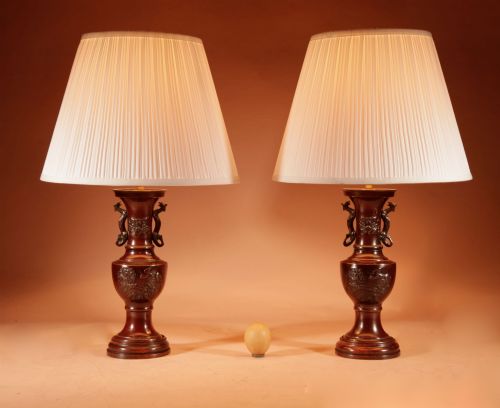
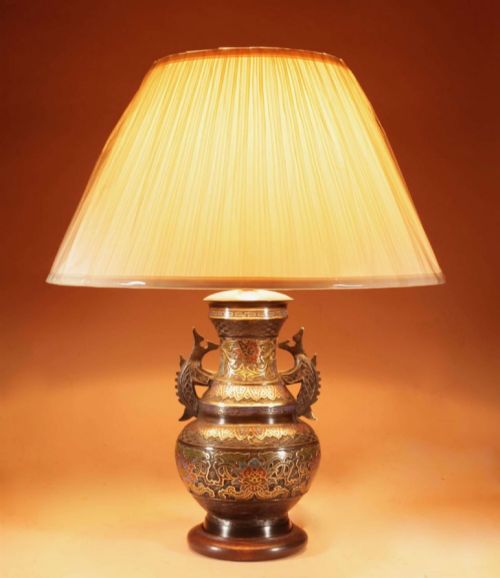
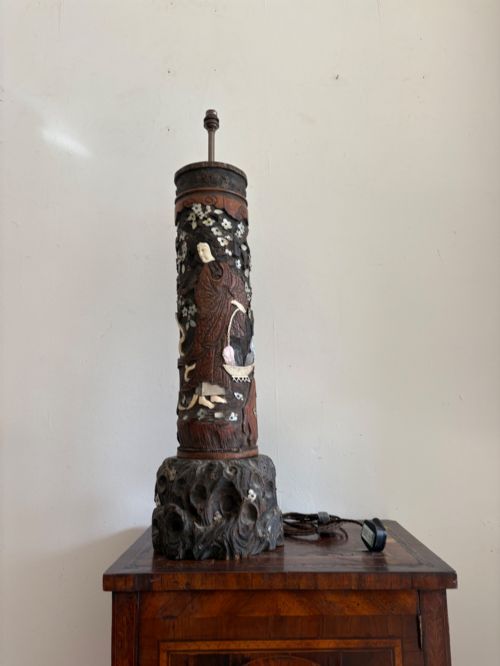
Japanese vase table lamps combine antique Far Eastern ceramic and metal vessels with period lighting fittings to create striking interior focal points.
Japanese Vase Table Lamps
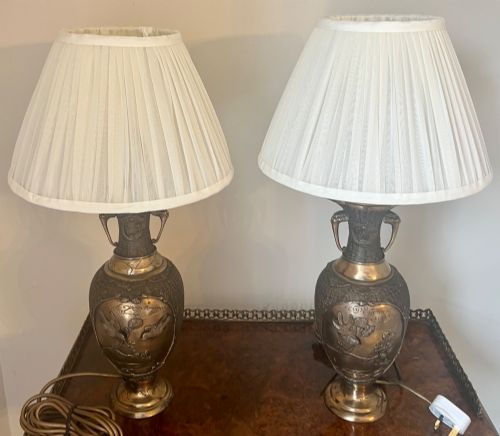
When you examine japanese vase table lamps, you are looking at antique vessels from the Edo and Meiji periods that have been adapted to hold electrical components. These pieces originate as temple vases, ginger jars, brush pots, or decorative vessels produced in Japan over several centuries before conversion.
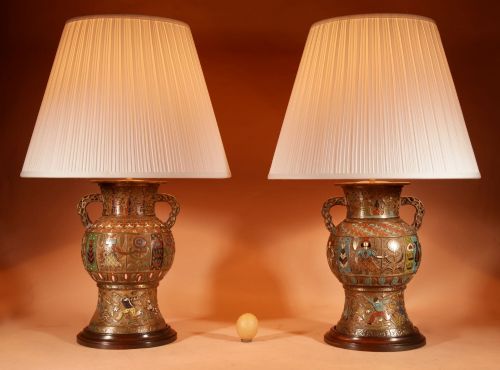
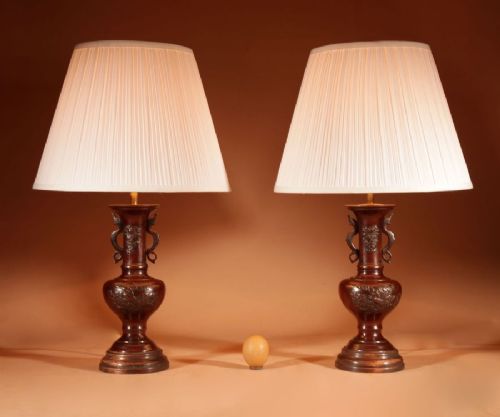
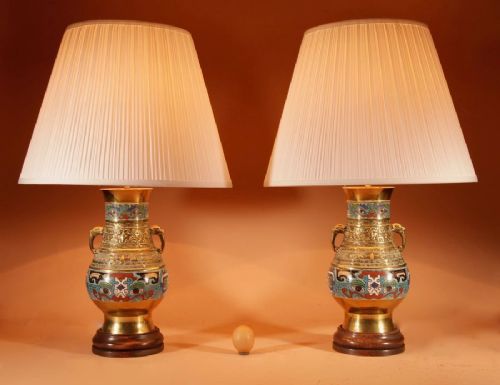
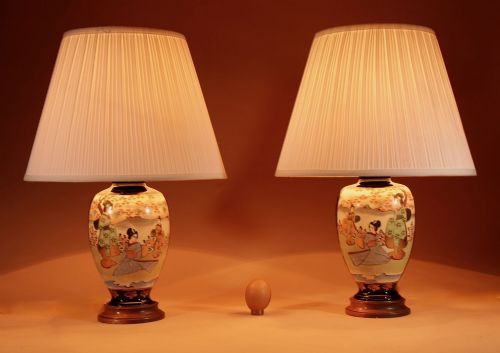
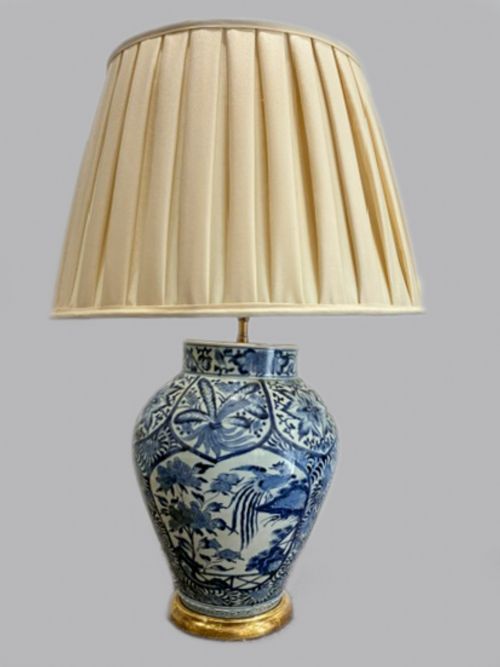
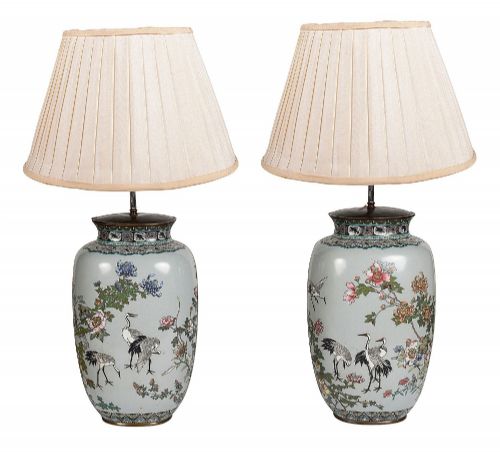
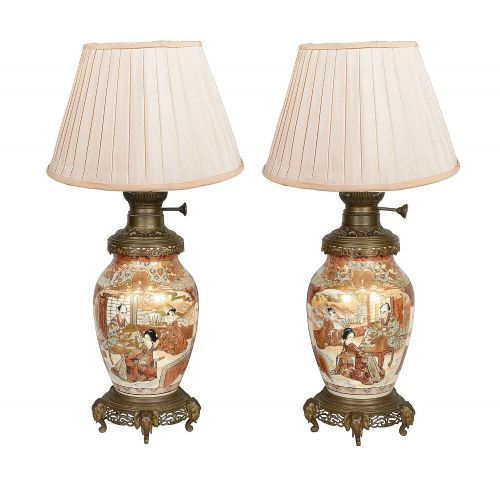
The selections available range from 17th-century Arita porcelain through to late 19th-century Satsuma and Kutani wares, alongside heavy bronze and champlevé enamel bodies. You will frequently encounter matched pairs dating from the late nineteenth century featuring intricate hand-painted decoration or cast metalwork.
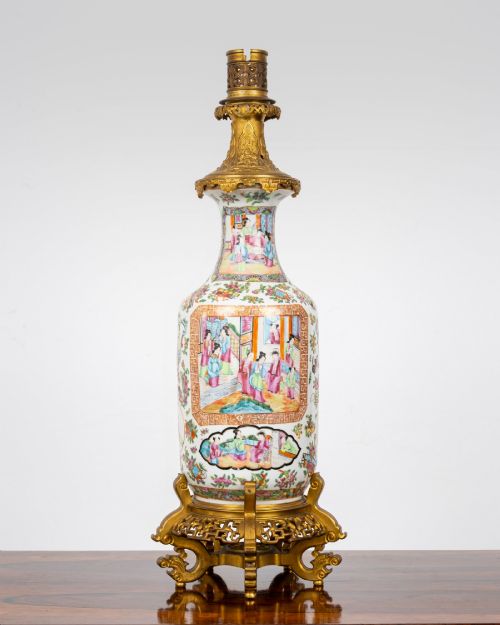
Makers and converters often paired these exotic bodies with European mounts in ormolu or gilt bronze, bridging distinct aesthetic traditions. The resulting table lamps serve both as functional illumination and as substantial decorative objects carrying historical provenance.
Materials and Construction
The physical substance of japanese vase table lamps divides primarily between ceramic bodies and metalwork castings. Ceramic examples utilise porcelain, earthenware, and stoneware painted in cobalt blue, polychrome enamels, or underglaze pigments.
Metal versions employ cast bronze and brass, frequently embellished with champlevé or cloisonné enamel work where coloured pastes fill recessed or wired cells before firing. Surviving pieces often integrate carved wood bases or mounts in ormolu that secure the electrical wiring and stabilise the heavy vessels.
Materials across the inventory span porcelain, bronze, brass, earthenware, and enamel, often finished with silk and fabric shades.
Assessing Quality
Quality in japanese vase table lamps rests on the artistic merit and preservation of the original vessel rather than the electrical fittings. Finer ceramic examples display crisp, hand-painted details with rich enamel saturation and minimal glaze pitting.
Metal pieces demonstrate superior quality through deeply chased bronze work, precise cloisonné wire placement, and clean champlevé compartments. The integration of the mount also dictates standard; superior examples feature bespoke ormolu or gilt bronze mounts tailored to the exact contours of the vase without damaging the antique body.
The Japanese Vase Table Lamps Glossary
- Satsuma
- A type of Japanese earthenware featuring a crackled pale ivory glaze decorated with intricate polychrome enamels and gilt. It originates from the Satsuma Province and became immensely popular for export during the Meiji period.
- Kutani
- Japanese porcelain characterised by bold, vibrant colour palettes, particularly iron red and green, depicting natural scenes or figurative motifs. These wares were produced in the Ishikawa prefecture.
- Champlevé
- An enamelling technique where artists gouge or cast troughs into a metal surface to hold coloured enamel paste before firing. This method creates strong, raised metallic outlines between the filled colour fields.
- Imari
- A style of Japanese export porcelain decorated in underglaze blue, iron red, and gold, named after the port from which the wares were shipped. The patterns typically feature complex floral and geometric arrangements.
- Ormolu
- Finely ground high-carat gold applied to a bronze base using a mercury amalgamation technique, commonly used for decorative mounts on European and Asian objects. It provides a rich, durable golden finish.
Japanese Vase Table Lamps: Frequently Asked Questions
Were these originally made as lamps?
Almost all japanese vase table lamps started life as decorative vessels, ginger jars, or temple vases rather than lighting fixtures. Artisans later converted these antique bodies into lamps by running internal wiring and adding appropriate brass or bronze hardware.
This conversion process frequently happened in European workshops during the nineteenth century, sometimes incorporating French ormolu mounts to suit Western domestic interiors.
How do I date these lamps?
Dating relies primarily on the style, glaze, and manufacturing techniques of the central vase rather than the electrical wiring, which is usually modern. Experts examine the ceramic body, cobalt shades, or metal casting methods to assign pieces to the Edo or Meiji periods.
Markings on the base, where present, can also indicate specific kilns, potteries, or eras of production, helping to narrow the creation date of the vessel.
Are matched pairs common?
Matched pairs appear frequently among surviving inventory, particularly from the late nineteenth century when Japanese export wares were produced in higher volumes for Western markets. These pairs usually share identical hand-painted motifs, dimensions, and manufacturing traits.
Single lamp bodies also exist, often representing earlier centuries where surviving matched pairs are exceedingly scarce.