



Japanese Style Cabinet
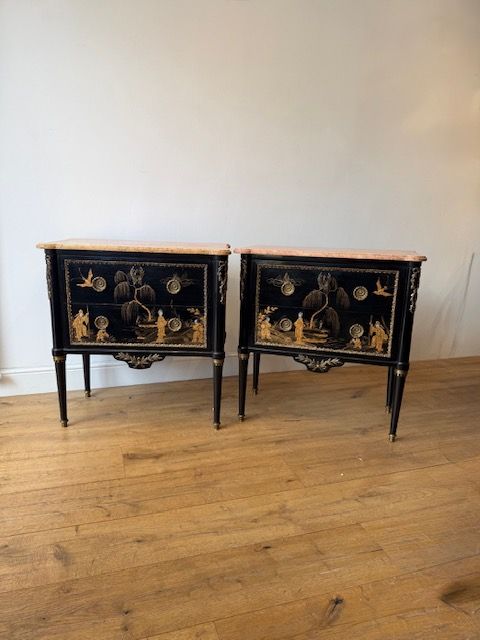
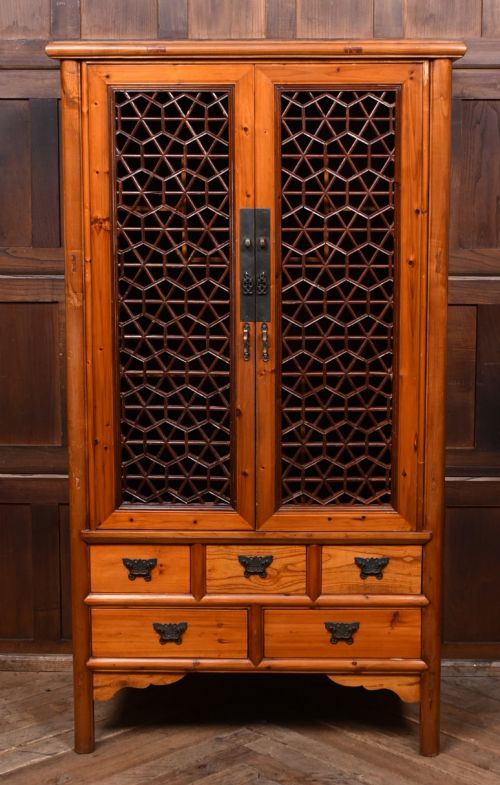
A japanese style cabinet brings the rich ornamentation of Meiji and Aesthetic taste directly into a room.
Japanese Style Cabinet
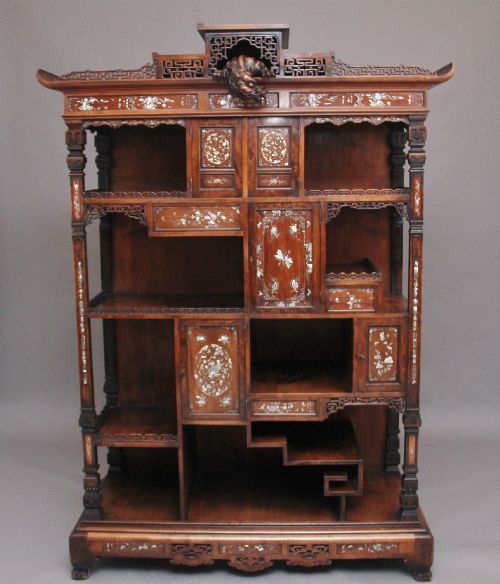
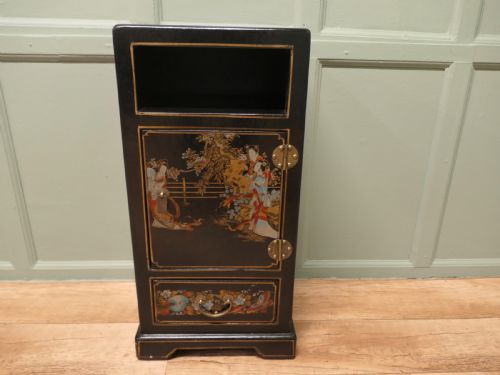
A japanese style cabinet encompasses varied forms from side cabinets and display pieces to hanging cupboards and larger wardrobes. These pieces reflect the profound influence of Eastern design on European makers during the Victorian era and the early twentieth century.
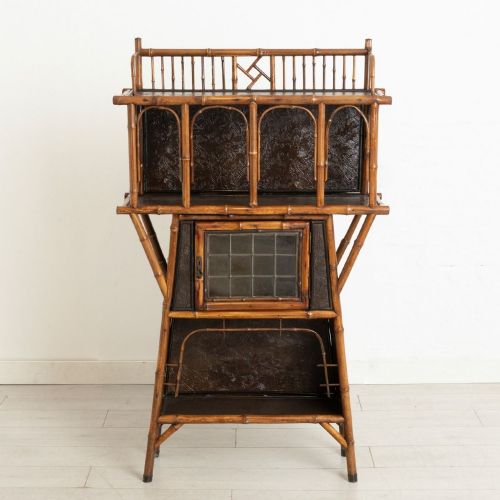
The versions most commonly met on this page span the nineteenth century through the 1930s, often merging British or French cabinet-making structures with lacquer, bamboo, or gilt motifs. They serve as striking focal points for storing china or displaying small ornaments.
Materials and construction
Makers utilised hardwoods such as walnut, mahogany, and padouk alongside bamboo to build sturdy carcasses for these cabinets. Surfaces frequently received layers of red or black lacquer, cinnabar, and intricate brass mounts.
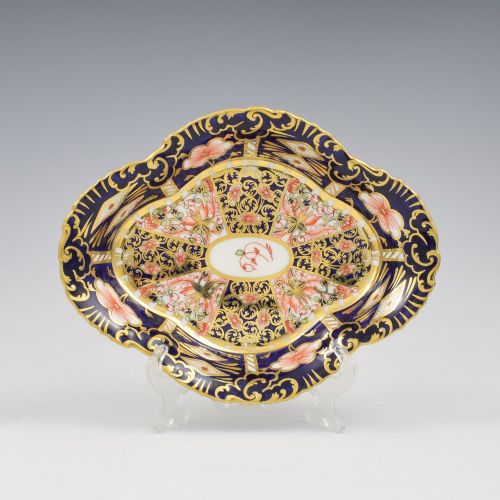
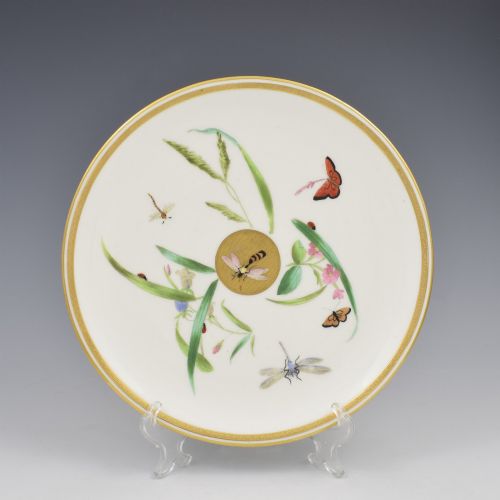
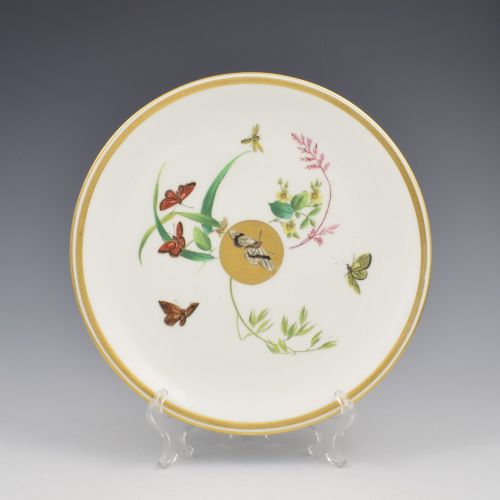
Porcelain panels and enamel details were integrated into doors and shelving, while gilt decoration highlighted sun, insect, and floral motifs derived from Japanese Imari and Kakiemon palettes.
Butterflies and suns share shelf space with two quails.
Distinctions in quality
The standard of a japanese style cabinet depends largely on the depth of hand-carving in the hardwood and the precision of the lacquering. Superior examples display seamless joins, well-balanced proportions, and finely chased brass hardware.
Attribution to notable workshops or specific designers elevates certain pieces, distinguishing standard commercial production from exceptional studio craftsmanship.
Maples and Co·Leonard Wyburd·Liberty and Co·Gabriel Frederic Viardot·Beurdeley
The Japanese Style Cabinet Glossary
- Shodona
- A type of Japanese cabinet featuring asymmetrical shelving and small cupboards designed for display. These pieces heavily inspired European makers during the Aesthetic Movement.
- Japonisme
- A Western term for the craze of collecting and imitating Japanese art and design. This aesthetic influenced furniture, porcelain, and metalwork from the mid-nineteenth century onward.
- Imari palette
- A traditional colour scheme featuring iron red, cobalt blue, and gilt highlights on porcelain. Plates and chargers in this style frequently accompany related furniture in collections.
- Aesthetic Movement
- A late nineteenth-century design style that prioritized visual beauty over narrative or moral meaning. Furniture from this period often shows clean structural lines combined with oriental decoration.
- Cinnabar lacquer
- A technique involving many brushed layers of red lacquer carved with intricate motifs. It provides a dense, tactile surface on specialist cabinets.
Japanese Style Cabinet: Frequently Asked Questions
How do I clean a lacquer cabinet?
Dust gently with a dry, soft microfibre cloth to protect the delicate surface layers.
Avoid using water, chemical sprays, or wax on antique lacquer finishes.
Can I use these cabinets for heavy books?
Most antique display pieces and side cabinets are designed for lighter decorative objects or china.
Loading fragile shelving with heavy books may cause structural sagging or damage.
How do I date an Aesthetic Movement piece?
Examine the wood grain, screw types, and construction methods underneath or inside the carcass.
Compare the decorative motifs with documented patterns from the late nineteenth century.
Where should I place a cabinet in my home?
Position the piece away from direct sunlight and extreme radiator heat to prevent wood splitting.
A stable interior wall keeps delicate lacquer and gilt work safe from temperature shifts.