


Japanese Porcelain Figure
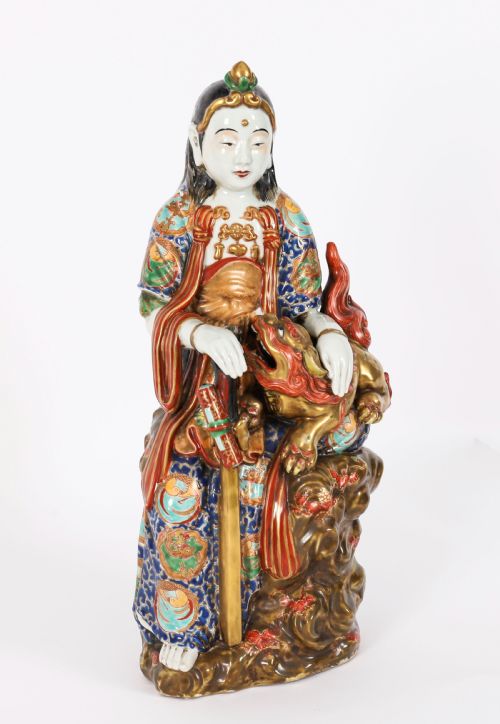
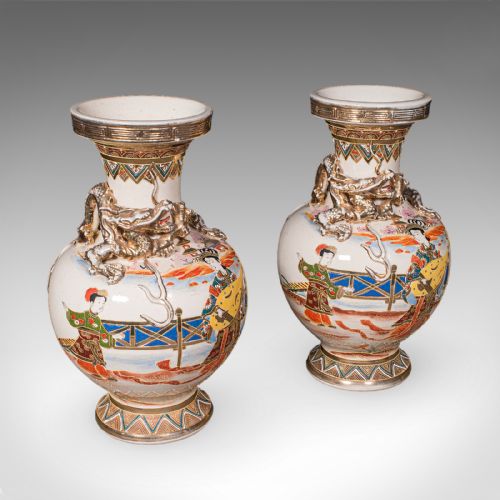
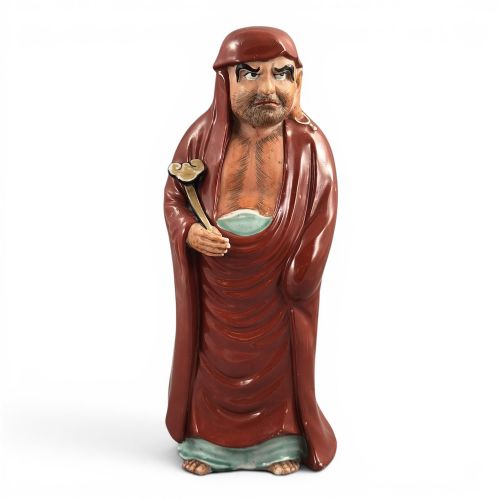
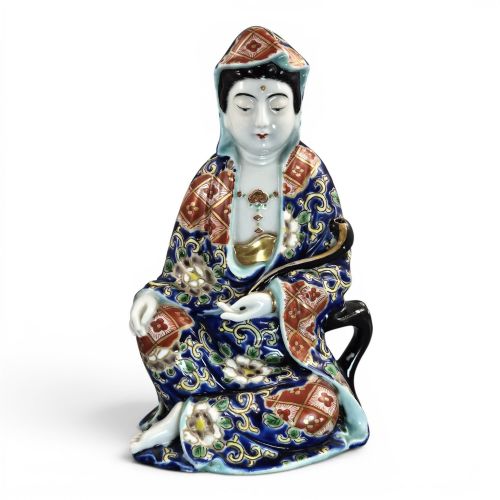
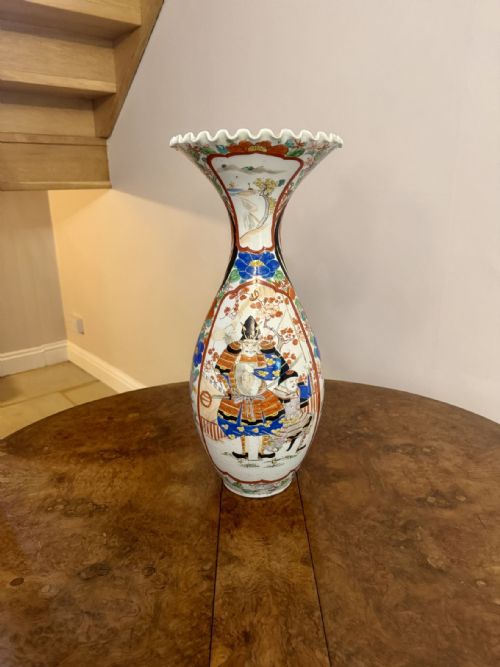
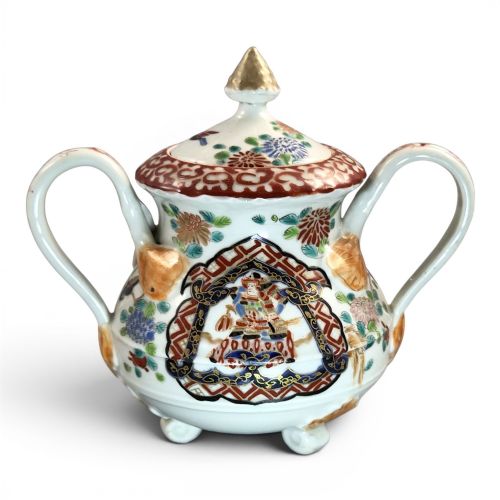
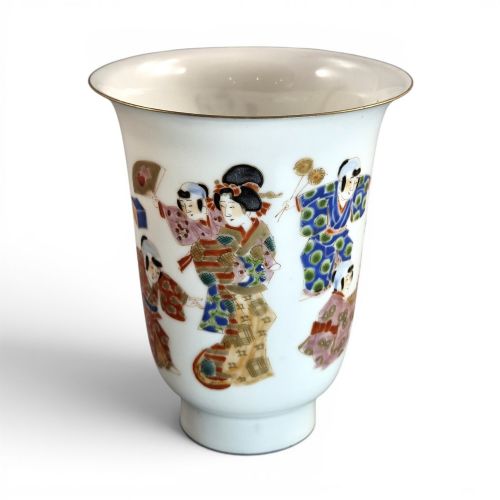
These pieces are a japanese porcelain figure of deities, courtesans and mythical beasts, sought after for their intricate hand-painted details.
Japanese Porcelain Figure
A japanese porcelain figure typically depicts traditional figures such as Kannon, Daruma, or various Immortals shaped during the Meiji and Taisho periods. Buyers encounter earthenware and porcelain bodies decorated with subjects ranging from solitary monks to complex multi-figure compositions.
Makers shaped these works as okimono for display or as functional vessels adorned with sculptural elements. Surviving examples span the nineteenth and early twentieth centuries, reflecting changing export markets and domestic tastes.
How they were made
Potters shaped clay bodies on the wheel or pressed them into moulds before firing, applying glazes and enamel pigments for colour. Artisans then added gold leaf, gilding, and raised moriage details to highlight robes and facial expressions.
Workshops utilised specialised kilns across regions like Kutani and Satsuma, combining delicate eggshell porcelain or denser earthenware with meticulous brushwork.
Several stubborn puppies in Hirado porcelain manage to steal the spotlight from solemn deities and stern monks.
What varies in quality
The precision of the brushwork and the delicacy of the facial expressions dictate the standing of a japanese porcelain figure. Finer examples display controlled line work in the robes and careful application of gold leaf rather than heavy, hurried enamel.
The crispness of the modelling in sculpted elements like hair or claws separates standard production pieces from master-signed works created by notable kilns and artists.
Fukagawa Mark·Hichozan Shinpo·Kōko·Kinkozan Kyoto·Kizan·Tokyo Taizan·Meizan
The Japanese Porcelain Figure Glossary
- Okimono
- A decorative object for display in a traditional alcove or room. These freestanding sculptures often depict historical personages, deities, or animals.
- Moriage
- A decorative technique using slip trailing to build up raised dots and lines on the ceramic surface. Artisans often gilt these textured areas for added emphasis.
- Kutani
- A style of Japanese pottery and porcelain known for vibrant overglaze enamel colours, particularly reds and greens with gold detailing.
- Bijin
- A traditional depiction of a beautiful woman, commonly featured in art from the Edo and Meiji periods wearing elaborate robes.
Japanese Porcelain Figure: Frequently Asked Questions
What do these figures represent?
These pieces typically depict Buddhist deities, legendary monks, or figures from folklore and daily life. Common subjects include Kannon the goddess of mercy, Daruma, and various Immortals.
Such subjects carried deep symbolic meaning in Japanese culture, often representing longevity, wisdom, or protection. Export pieces from the Meiji period frequently adapted these traditional themes for Western collectors.
How do I care for antique porcelain?
Keep these items out of direct sunlight to prevent fading on the enamel and gold leaf decorations. Dust them gently with a soft, dry brush rather than using liquid cleaners.
Avoid placing them near heat sources or in areas subject to sudden temperature shifts. Stable indoor conditions protect both the ceramic body and any delicate surface gilding.
How can I tell the period?
Dating relies on stylistic markers, signature marks, and the specific palette of the glazes. Pieces from the Meiji period often feature dense enamel work and distinct maker stamps.
Examining the base and the wear on the foot rim also provides clues about age. Earlier works show different potting techniques compared to twentieth-century export ware.
Where were these pieces made?
Production centred in historic ceramic districts across Japan, including Kutani, Satsuma, and Arita. Each region developed distinct clay bodies and decorative traditions.
Kilns adapted their output over time to satisfy both local patrons and the growing international demand for Japanese decorative arts during the late nineteenth century.