


Japanese Painted Ceramic Bowl
A Japanese painted ceramic bowl brings centuries of East Asian kiln craft and rich enamel decoration directly onto a table or sideboard.
Japanese Painted Ceramic Bowl
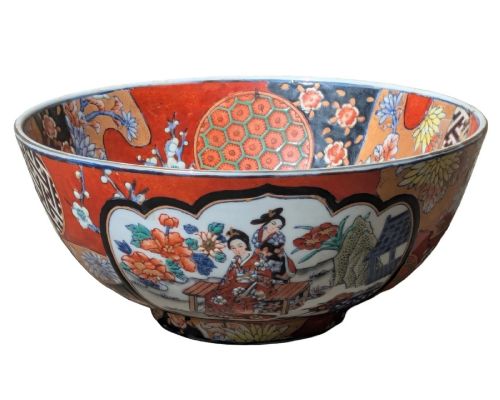
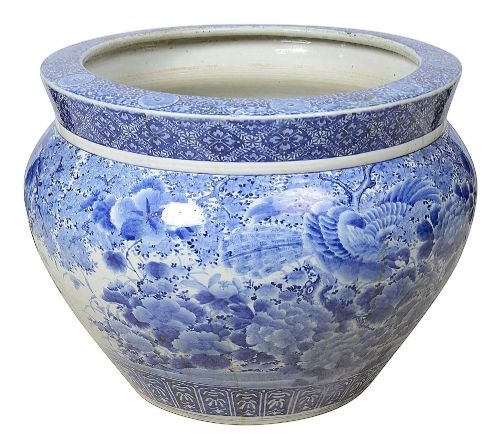
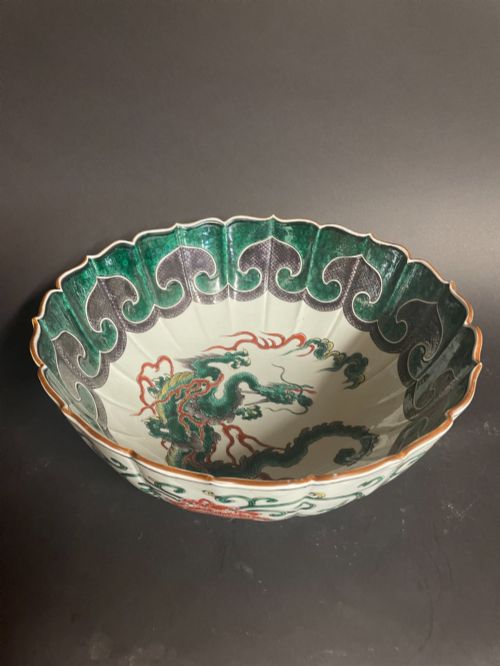
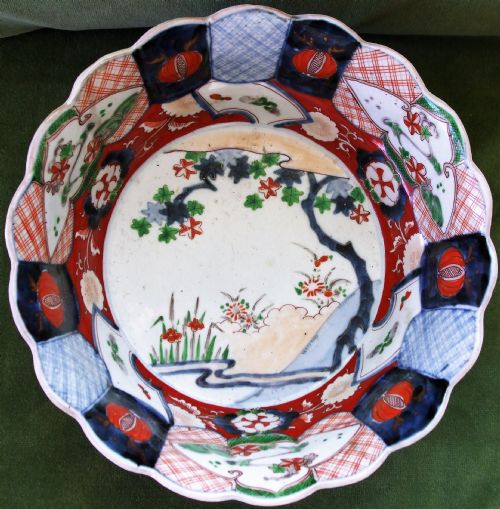
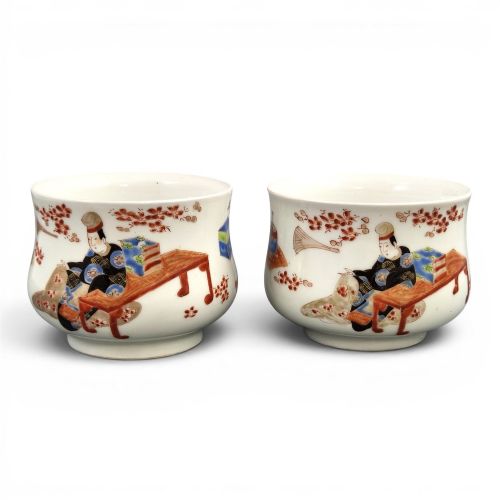
A japanese painted ceramic bowl encompasses diverse vessel forms ranging from small tea cups and miniature dishes to large decorative centerpieces and monumental jardinieres.
The selections span distinct historical eras, appearing predominantly in Meiji period and Edo period iterations alongside nineteenth century and eighteenth century examples.
Buyers encounter both porcelain bodies adorned with cobalt underglaze and earthenware pieces finished with intricate enamel and gold leaf detailing.
How They Were Made
Potters shaped porcelain and earthenware bodies on the wheel or by hand before applying pigments such as cobalt underglaze directly to the raw clay.
Vessels received subsequent layers of enamel and gilding, utilising gold leaf to accentuate painted motifs of flowers, birds, and samurai battles.
Fired in high-temperature kilns, the glazes vitrified to create hard, durable surfaces that preserved the detailed brushwork across generations.
The inventory includes cobalt underglaze, enamel, and gold leaf applied to bowls, dishes, and jardinieres.
What Varies in Quality
The precision of the hand-painted brushwork distinguishes standard vessels from masterworks, with finer pieces displaying meticulous detail in every flower, bird, and figure.
The application of glaze and gilding varies significantly, where the purity of the cobalt underglaze and the careful placement of gold leaf dictate the visual depth.
Signed pieces by renowned makers or specific workshops carry distinct artistic weight compared to unmarked production wares.
Ginshōtei Gyokushi·Gyokkō·Kozan·Shizan·Ryuzan·Kinkozan·Nikko
The Japanese Painted Ceramic Bowl Glossary
- Imari
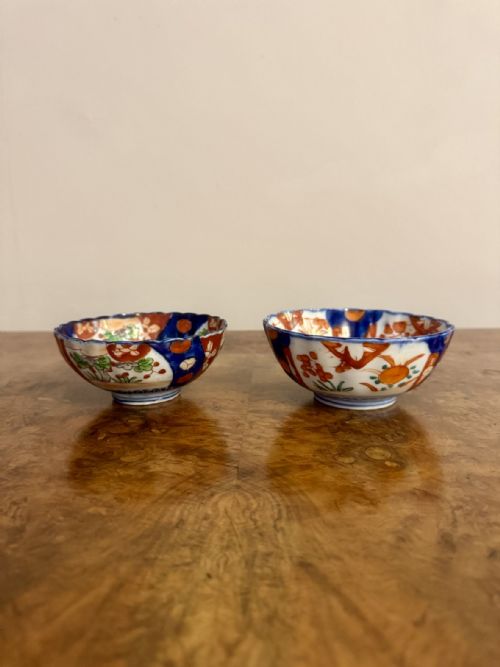
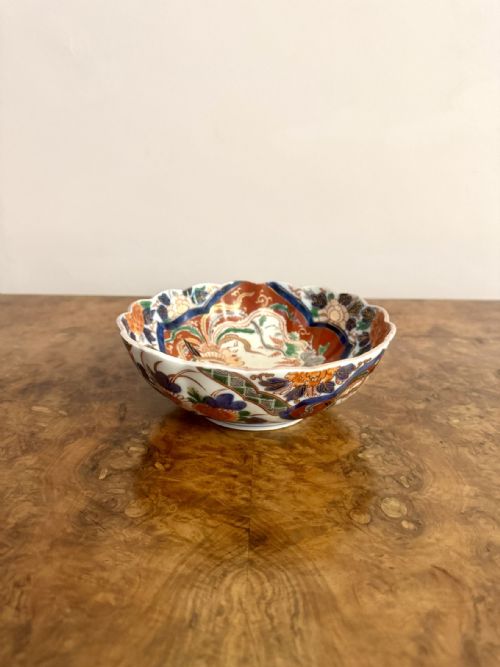
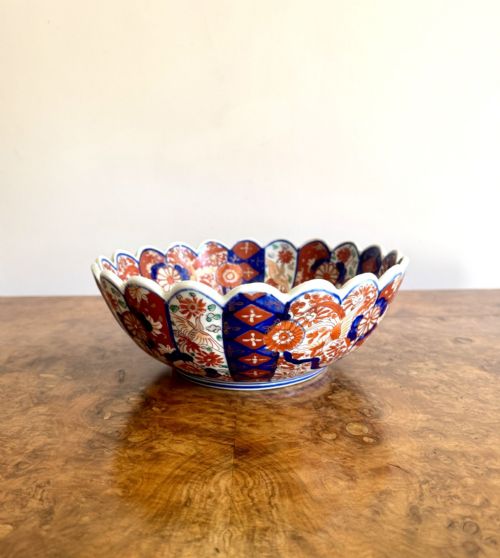
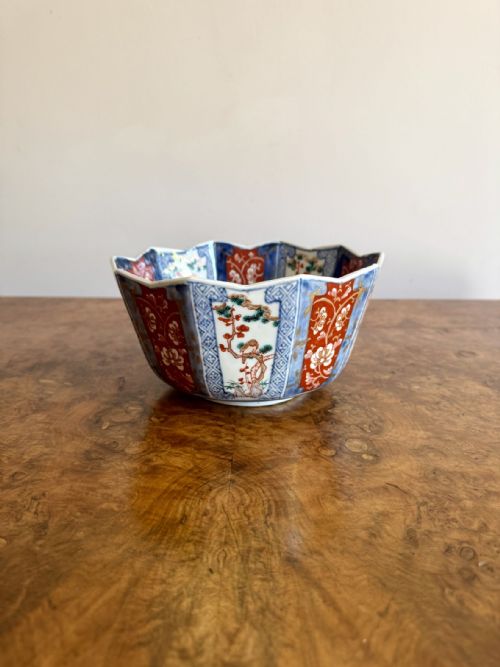
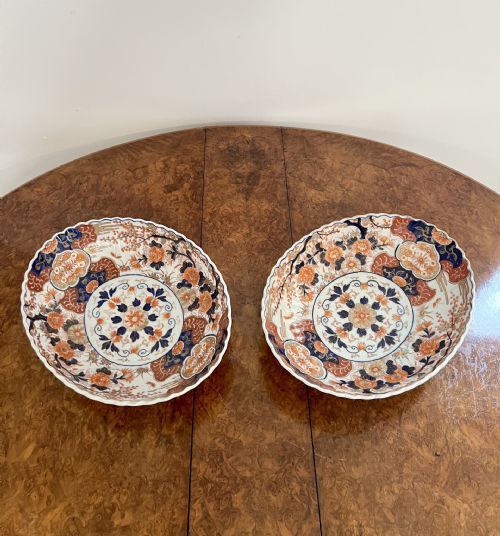
- A style of Japanese porcelain featuring vibrant underglaze blue and overglaze iron red, complemented by gold leaf. This aesthetic originated in the Hizen province and became popular for export.
- Satsuma
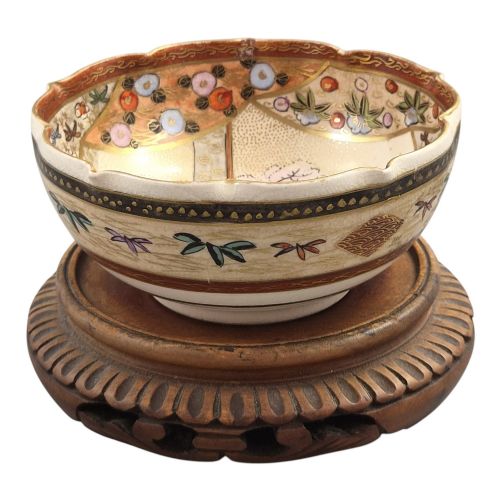
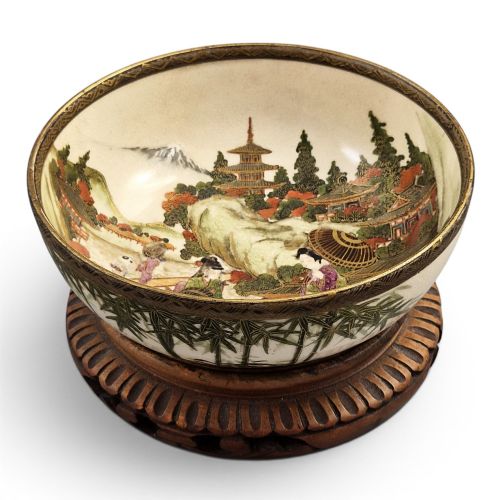
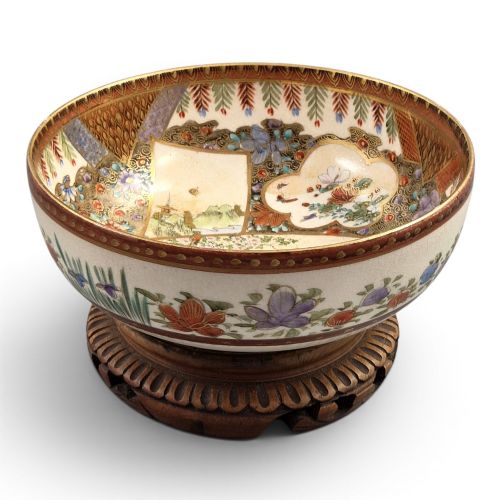
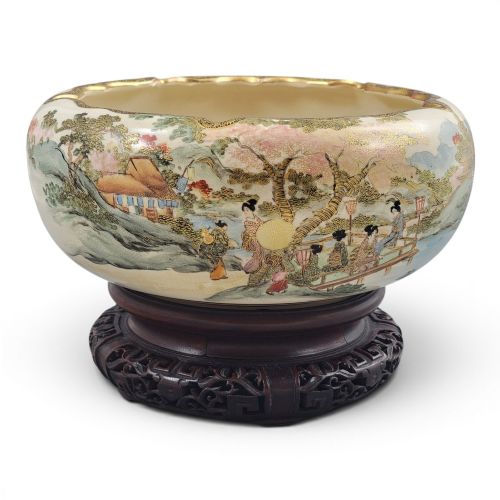
- A type of earthenware originating from the Satsuma domain, known for a crackled ivory glaze and elaborate polychrome enamel decoration. These pieces frequently feature intricate figural or floral scenes.
- Meiji Period
- The era in Japanese history spanning from 1868 to 1912, characterised by opening trade with the West. Craft production during this time flourished with highly detailed export wares.
- Edo Period
- The period lasting from 1603 to 1867 under the rule of the Tokugawa shogunate. Ceramics from this era established foundational styles like Arita and early Imari.
- Cobalt Underglaze
- A mineral pigment applied to ceramic bodies before glazing and firing. It withstands high kiln temperatures to produce a deep blue hue beneath a clear glass layer.
- Jardinieres
- Large decorative ceramic planters intended for holding flowering or foliage plants. They often mirror the heavy proportions and rich painted surfaces of large bowls.
Japanese Painted Ceramic Bowl: Frequently Asked Questions
How are Japanese painted ceramic bowls cleaned?
Dust these vessels gently with a soft, dry cloth to protect fragile overglaze enamels and gold leaf details.
Avoid immersion in water or chemical cleaning agents, which can damage historical surfaces.
What is the difference between Imari and Satsuma?
Imari pieces consist of hard porcelain decorated primarily in cobalt blue, iron red, and gold.
Satsuma pieces utilise a cream-colored earthenware body with a fine crackle glaze painted in rich polychrome enamels.
Can these bowls be used for food?
Antique ceramics feature porous bodies or lead-bearing historical glazes unsuited for modern culinary use.
Display them as decorative objects on tables, stands, or within cabinets instead.
How do I identify the Meiji period?
Meiji period ceramics date between 1868 and 1912, reflecting an era of heightened artistic output for international export.
Look for signature cartouches on the base alongside dense, intricate pictorial narratives.