





Japanese Motif Vase
A Japanese motif vase brings complex bronze, cloisonné enamel and hand-painted ceramic forms into nineteenth-century and early twentieth-century interiors.
Japanese Motif Vase
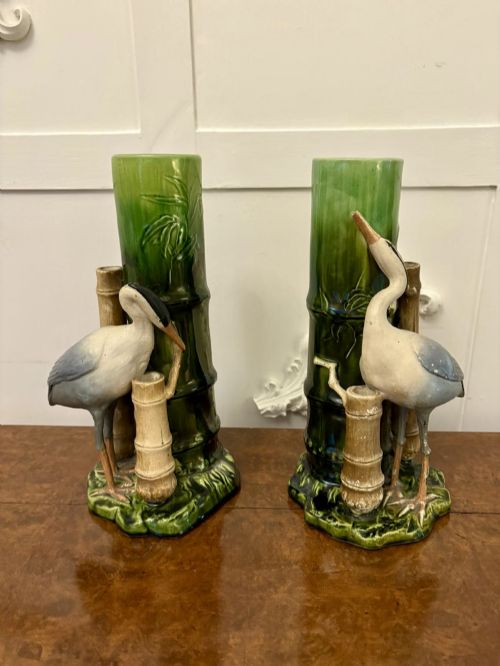
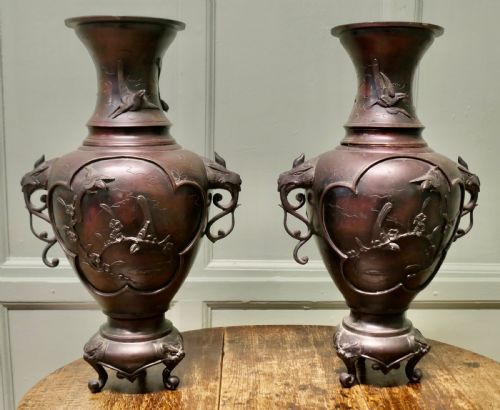
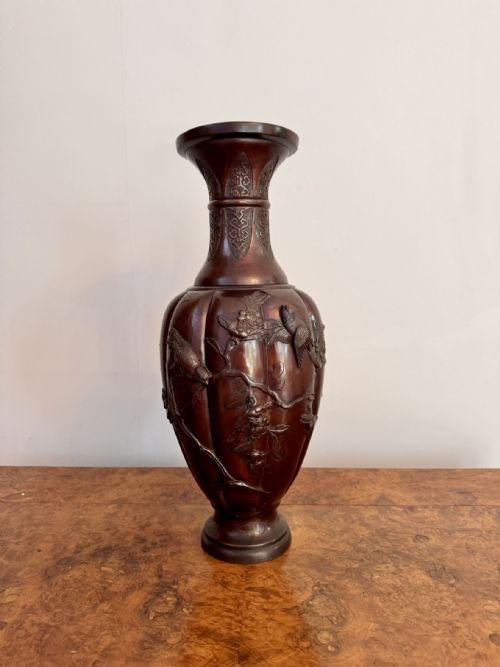
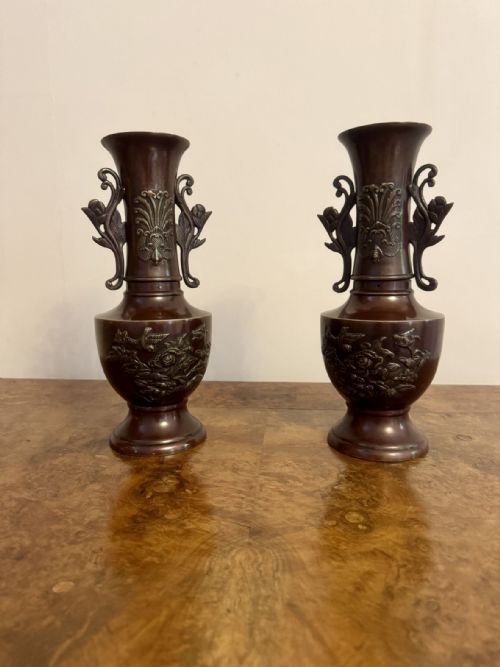
A japanese motif vase encompasses diverse decorative vessel forms produced during the Meiji period and Victorian eras, ranging from monumental bronze urns to delicate porcelain ginger jars. Buyers searching this phrase most frequently encounter baluster shapes, tripod koro vessels and twin-handled bronze designs featuring traditional animal and botanical motifs.
Makers utilised earthenware, stoneware, brass and copper alongside fine porcelain to construct decorative jars, garden planters and garniture sets. These vessels bridge traditional Eastern craftsmanship and nineteenth-century Western aesthetic tastes through distinct periods spanning from eighteen-seventy to nineteen-twenty.
Examples on this page draw from distinct stylistic movements including Orientalism, the Aesthetic Movement and Japanese studio pottery. Pieces range from miniature cloisonné items to massive fifty-eight inch blue and white vases with lacquer panels.
How They Were Made
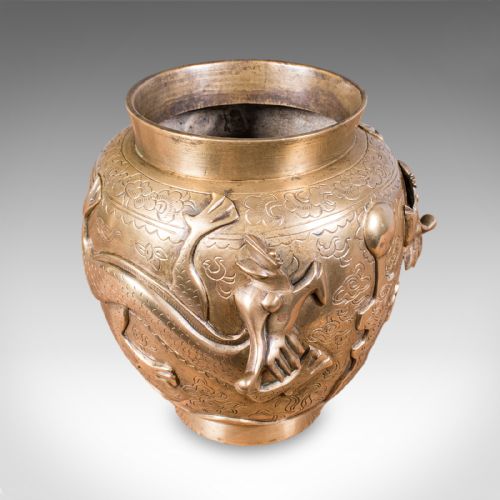
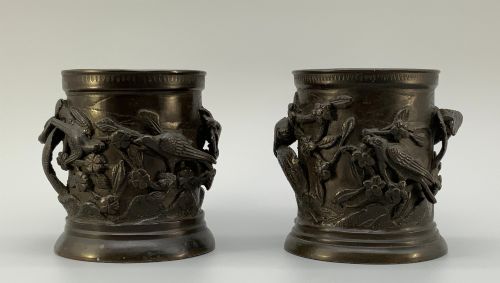
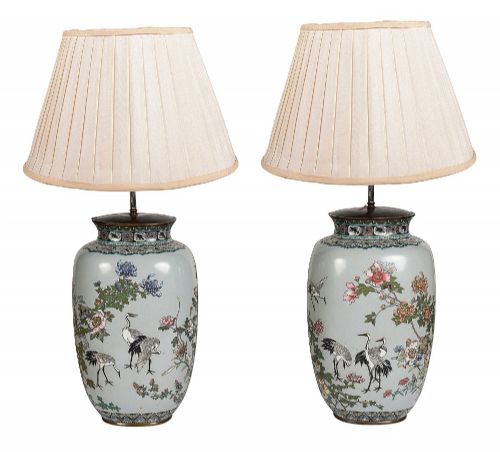
Metal vessels combine bronze, brass and copper utilising mixed metal techniques, often incorporating applied wire cells for cloisonné enamel or rich patination across dragon and bird motifs. Artisans shaped heavy bronze bodies into amphora and twin-handled forms designed for substantial display.
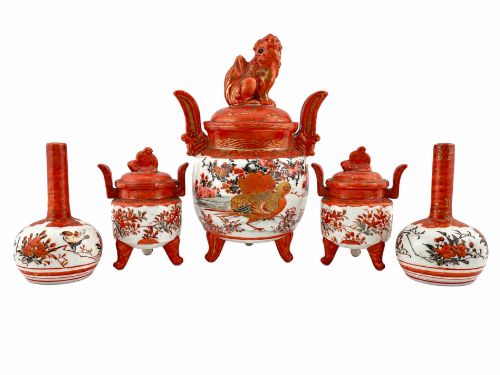
Ceramic examples employ porcelain, earthenware and stoneware bodies finished with intricate hand-painted overglazes, gold leaf highlights and lacquer panels applied over black paint. Kiln techniques from Kutani, Satsuma and Hirado potteries produced finely detailed surfaces depicting figures, flora and fauna.
Japanese Motif Vase Retail Price Guide 2026
Typical asking prices for japanese motif vase among the pieces listed under this phrase on Sellingantiques today, from the lower quarter to the upper quarter. They describe what is for sale here now, not the wider market.
Certain bronze vases double as garden temple vessels ready to hold aquatic life rather than flowers.
What Varies in Quality
The distinction between standard commercial output and superior craftsmanship rests in the crispness of the casting, the precision of the cloisonné wirework and the depth of the metal patination. Master workshops achieved finer detail in bird and blossom motifs, whereas lesser examples display simpler surface execution and less refined proportions.
Ceramic quality depends on the control of the kiln firing, the delicacy of the hand-painted brushwork and the preservation of original gold leaf and lacquer over-paint. Signed studio pieces by known makers demonstrate superior artistic ambition compared to unmarked factory wares.
Makuzu Kozan II·Kinrin Workshop·Kinkozan·Fukagawa·Hododa
The Japanese Motif Vase Glossary
- Cloisonné
- Enamelling technique where thin metal wires are soldered to a metal base to form compartments filled with paste and fired. This method creates intricate mosaic-like patterns of birds and geometric designs.
- Satsuma
- Earthenware pottery originating from the Satsuma province featuring a characteristic ivory-coloured craquelure glaze. Pieces are typically decorated with elaborate polychrome enamel and gold leaf.
- Kuro
- A traditional three-legged incense burner or ritual vessel. These often feature pierced covers and serve as decorative centrepieces in porcelain garniture sets.
- Imari
- Japanese porcelain decorated in underglaze blue and overglaze red, gold and green. The style became immensely popular across nineteenth-century European interiors.
- Baluster
- A vase form with a rounded body that tapers toward the base and flares at the neck. This silhouette provides a stable foundation for complex hand-painted motifs.
Japanese Motif Vase: Frequently Asked Questions
What periods do these vases come from?
These vessels date predominantly from the late nineteenth century and the Meiji period, aligning with Victorian production eras in Britain. Many pieces reflect the intense cross-cultural exchange between Japan and the West during the eighteen-eighties and eighteen-nineties.
Production extends into the early twentieth century around nineteen-ten and nineteen-twenty, encompassing both traditional factory output and rarer studio pottery. Dating is typically verified through stylistic markers, material composition and workshop signatures.
How were large bronze vases used originally?
Large bronze urns and temple vases were cast to serve as dramatic focal points within grand nineteenth-century reception rooms and entrance halls. Their substantial weight and monumental scale allowed them to anchor architectural interior schemes.
Smaller iterations functioned as mantelpiece ornaments, table centrepieces or posy vases. Many heavier bronze and ceramic bodies were later adapted as table lamps while retaining their original decorative integrity.
How do I identify Satsuma ware?
Satsuma ceramics are recognised by their distinctive ivory or cream-coloured earthenware bodies covered in a fine network of decorative crackle glaze. Artisans painted these surfaces by hand using rich polychrome enamels and generous amounts of gold leaf.
Motifs on Satsuma pieces frequently include figurative scenes with samurai, immortals and scholars alongside dragons and botanical arrangements. Most fine examples bear maker seals or workshop signatures on the underside.
Can these vases hold water safely?
While many metal and porcelain vessels are structurally sound, older earthenware and studio pieces with delicate lacquer panels or porous bodies require caution. Using a discreet internal glass liner protects vulnerable interior walls from moisture damage.
Enamelled and cloisonné pieces should be checked for hairline fractures before prolonged exposure to liquid. Gentle dusting and dry cleaning methods remain the safest maintenance approach for antique surfaces.