



Japanese Metal Sculpture
Japanese metal sculpture offers remarkable fidelity to nature, capturing animals and figures in patinated bronze through Meiji period artistry.
Japanese Metal Sculpture
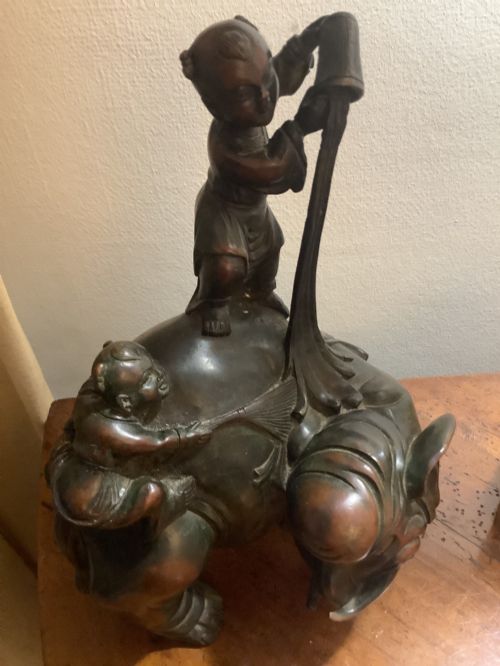
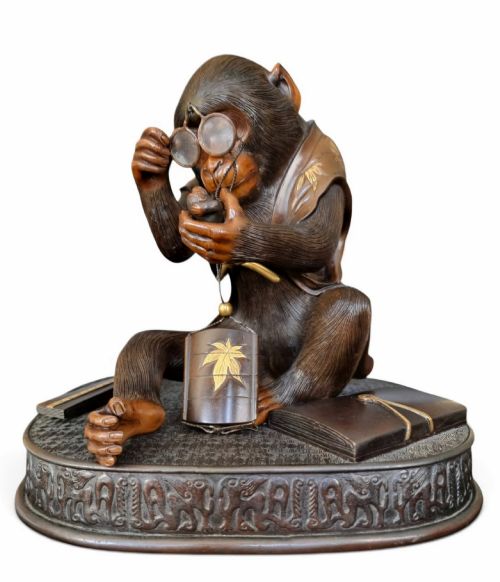
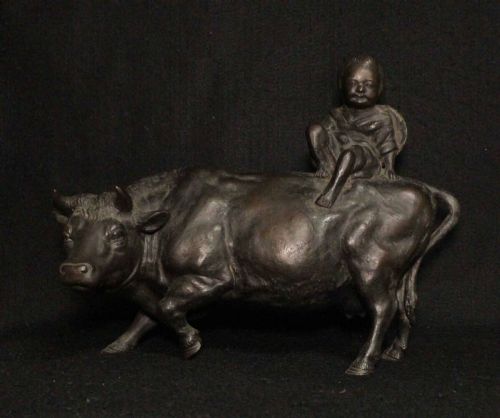
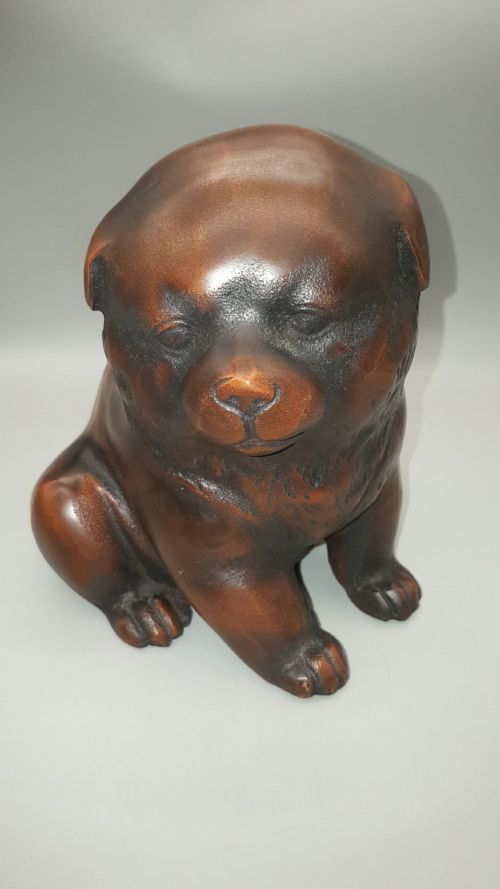
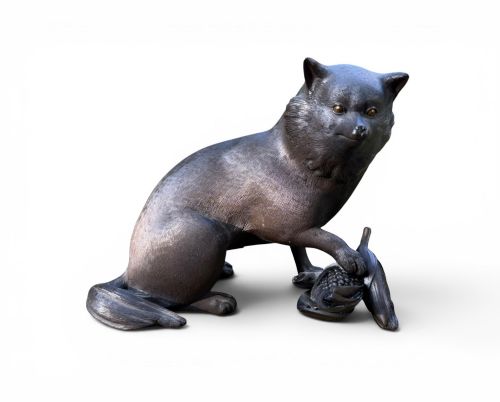
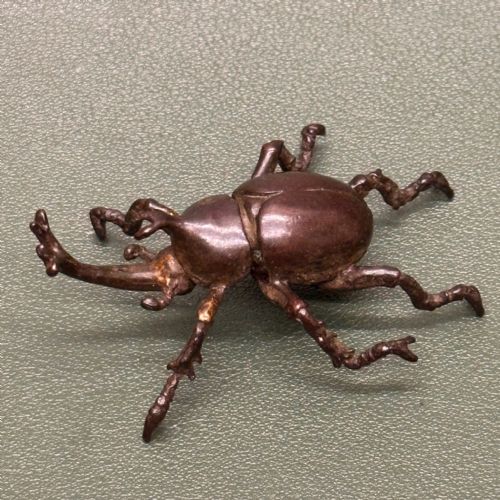
These pieces encompass a wide range of subject matter, from miniature okimono depicting animals and insects to monumental garden statues and vases. When exploring Japanese metal sculpture, the most common encounters involve bronze okimono shaped as creatures like monkeys, puppies, beetles, and birds.
Materials and construction methods
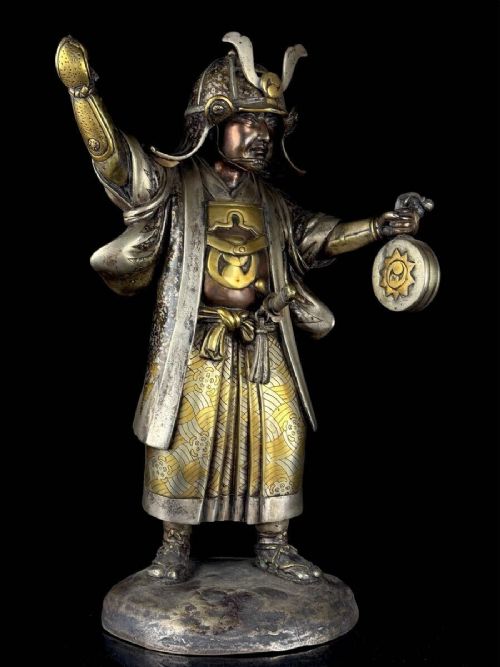
Artisans primarily utilised bronze, copper, and brass, often combining them as mixed metals to achieve tonal variety across a single object. Gold inlay frequently highlights specific details on the surface of these sculptures, contrasting sharply with dark patinated metal grounds.
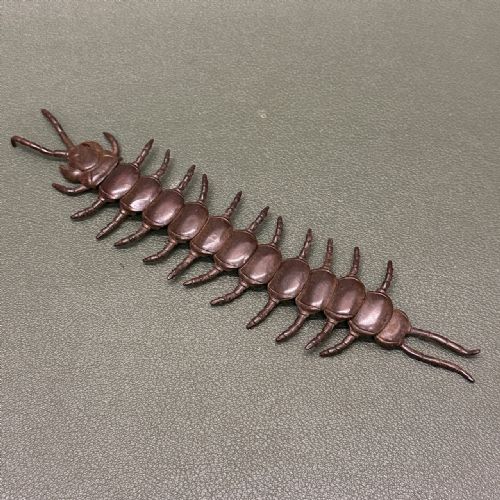
Casting techniques allowed for intricate articulation in forms like centipedes and figures, alongside the creation of solid statuary and hollow vessels. Skilled metalworkers applied chemical patination to produce rich brown, black, and greenish finishes that mimic natural ageing.
Japanese Metal Sculpture Retail Price Guide 2026
Typical asking prices for japanese metal sculpture among the pieces listed under this phrase on Sellingantiques today, from the lower quarter to the upper quarter. They describe what is for sale here now, not the wider market.
Current listings feature bronze, copper, brass, and stone, spanning the 19th century, Meiji period, and early 20th century.
Distinctions in quality
Quality rests upon the precision of the casting and the sensitivity of the finishing handwork, particularly in anatomical rendering and surface texture. Superior examples demonstrate a lifelike fluidity in posture, whether portraying a dynamic insect or a relaxed animal.
The subtlety of mixed metal integration and the depth of the patination further separate standard production from masterwork output. Signed pieces attributed to recognised artists often display superior chiselling and finer control over decorative inlays.
Tsunemitsu·Shosai·Unno Shomin·Genryusai Seiya
The Japanese Metal Sculpture Glossary
- Okimono
- A standalone Japanese display object intended for placement on a shelf or in a tokonoma alcove. These sculptures typically depict animals, mythical figures, or genre scenes.
- Meiji Period
- The era in Japanese history lasting from 1868 to 1912, marked by rapid modernisation and the opening of trade with the West. Much of the finest decorative metalwork originates from this time.
- Patinated Metal
- Metal treated with chemical solutions to alter its surface colour and create an aged appearance. This technique protects the underlying bronze or copper while enhancing visual depth.
- Japonisme
- The influence of Japanese art on Western aesthetics during the late nineteenth and early twentieth centuries. This movement drove international demand for authentic bronze sculptures and vases.
- Mixed Metal
- An alloy combination or the intentional joining of different metals such as bronze, copper, and brass within one piece. This method creates contrasting colour highlights on the sculpture surface.
Japanese Metal Sculpture: Frequently Asked Questions
What is an okimono?
An okimono is a traditional Japanese decorative object designed for interior display rather than religious worship. These sculptures range from small animal figures to complex human subjects.
Craftsmen created them in various metals to capture realistic textures and poses, making them central to the appreciation of Japanese metalwork.
How do I identify a Meiji period piece?
Meiji period metalwork generally dates between 1868 and 1912, aligning with the reign of the Emperor Meiji. These works are distinguished by intricate detail and sophisticated patination techniques.
Many pieces from this timeframe incorporate mixed metals and naturalistic subjects such as insects, birds, and scholars.
Where were these sculptures placed?
Smaller okimono and vases traditionally sat inside homes on low tables or within decorative alcoves known as tokonoma. Larger forms, including garden statuary and temple urns, occupied outdoor courtyards and grounds.
Today, collectors place these items throughout domestic interiors as focal points on surfaces or pedestals.
How should I clean bronze sculpture?
Bronze sculptures require minimal intervention to preserve their original patinated surfaces. Dusting gently with a soft, dry cloth prevents the accumulation of particulate matter.
Avoid using water, oils, or chemical polishes, as these substances can strip away the historical patina and damage the metal.