



Japanese Meiji Period Okimono
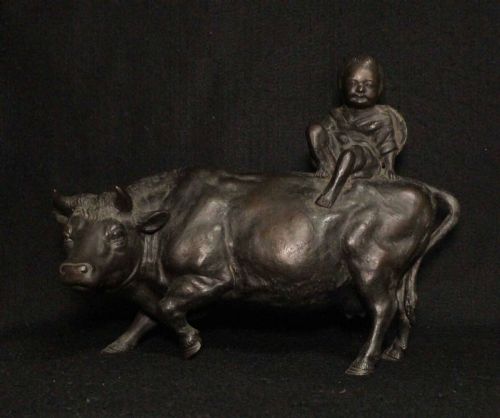
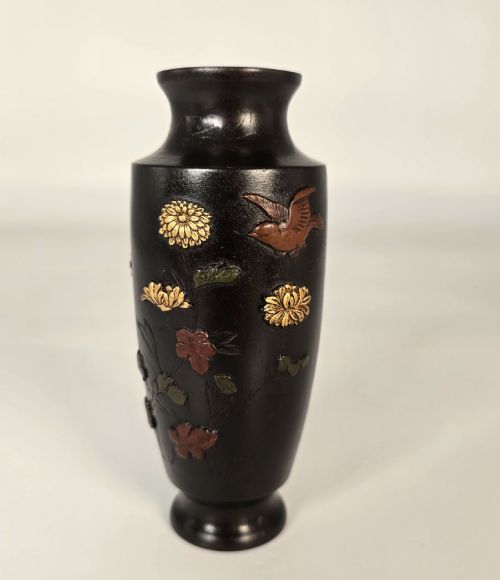
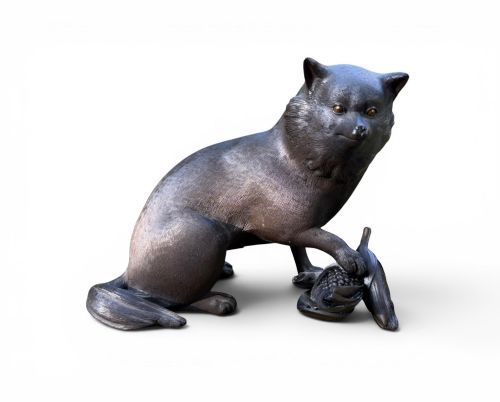
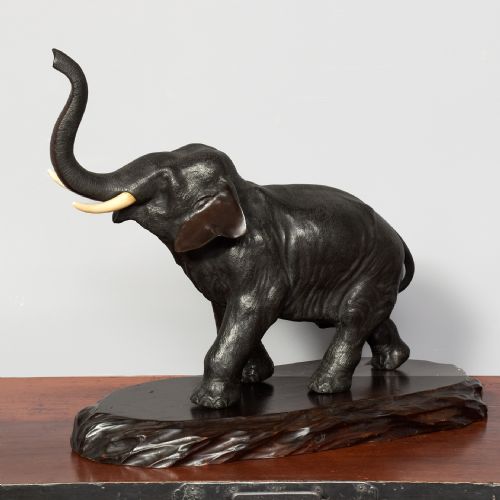
These japanese meiji period okimono sculptures bring detailed craftsmanship into a room.
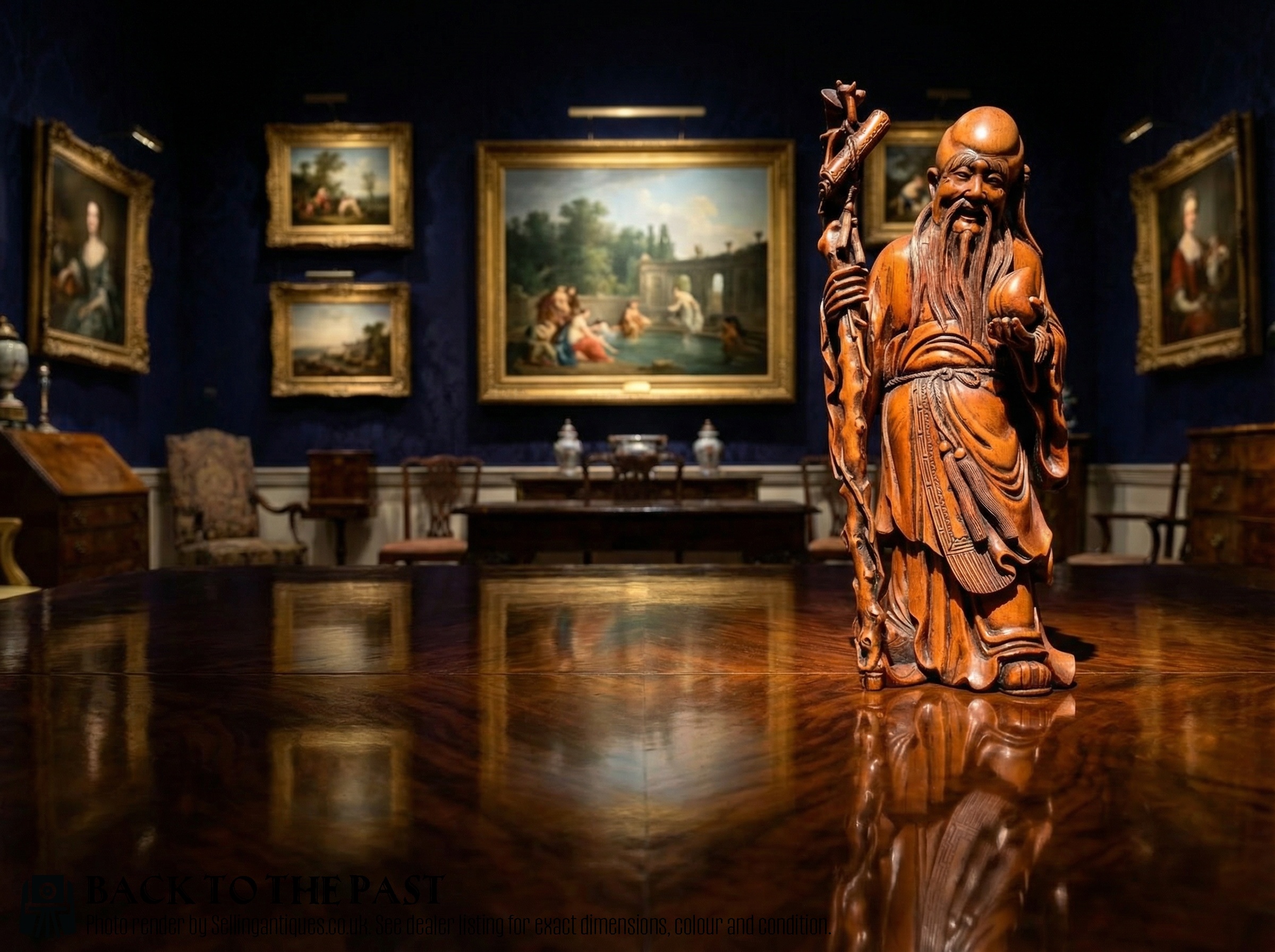
Japanese Meiji Period Okimono
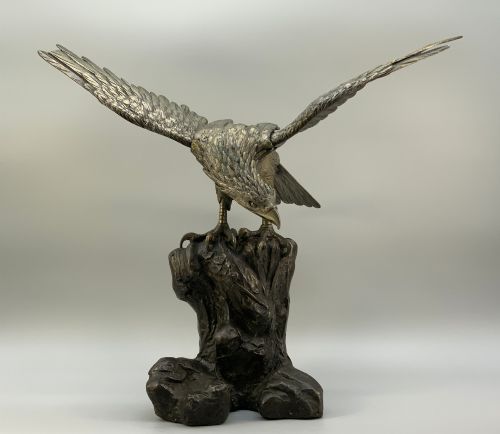
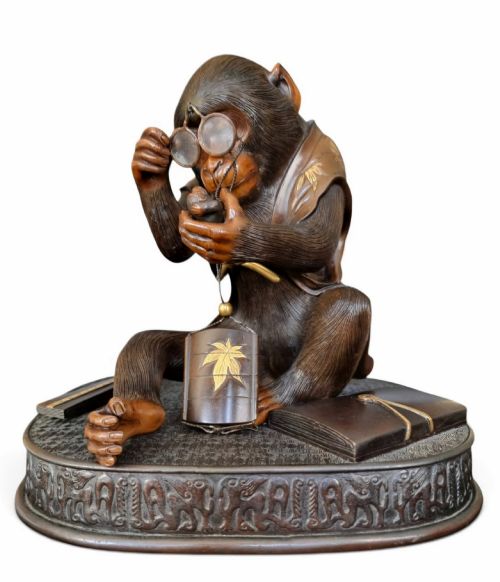
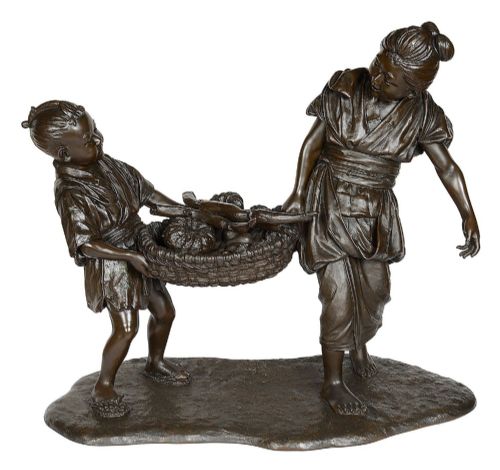
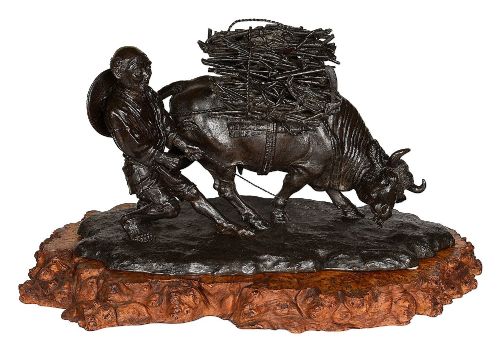
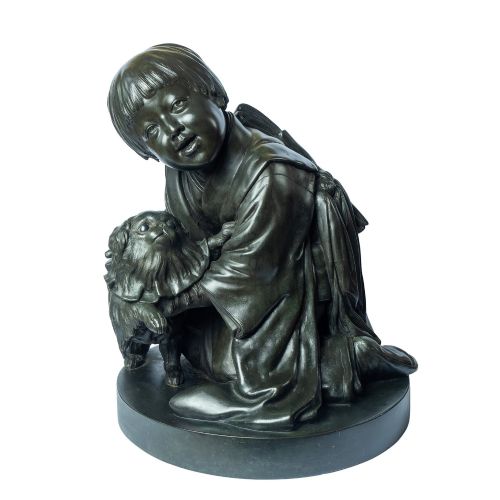
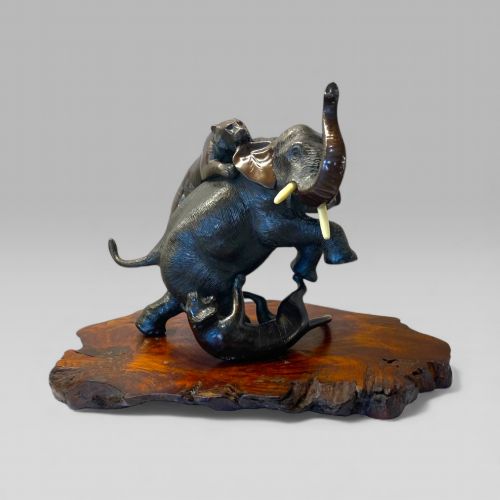
A japanese meiji period okimono is a standalone decorative sculpture or figurine produced during the late nineteenth and early twentieth centuries. These objects display subjects ranging from human figures, deities, and scholars to natural elements, insects, and animals.
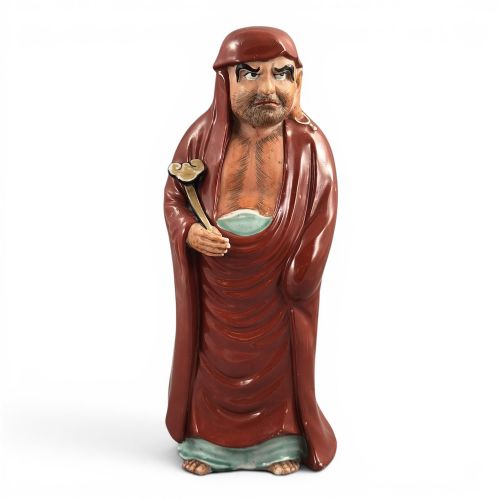
The selections encountered here include bronze wildlife studies, articulated metal creatures, carved boxwood and hardwood figures, porcelain figures, and Satsuma earthenware. Makers created these pieces for display in domestic settings rather than for religious ritual.
Makers utilised various scales, from miniature netsuke and small table pieces to large garden sculptures measuring significant heights.
How They Were Made
Metalworkers employed bronze, patinated bronze, iron, silver, and mixed metals, often utilising lost-wax casting and detailed chiselling for surface textures. Articulated pieces required individual segments hinged together to move realistically.
Woodcarvers worked with boxwood, hardwood, bamboo, and walnut to render flowing garments, hair, and facial expressions with precise hand tools. Ceramists formed porcelain and pottery bodies, applying glazes and enamel details before firing.
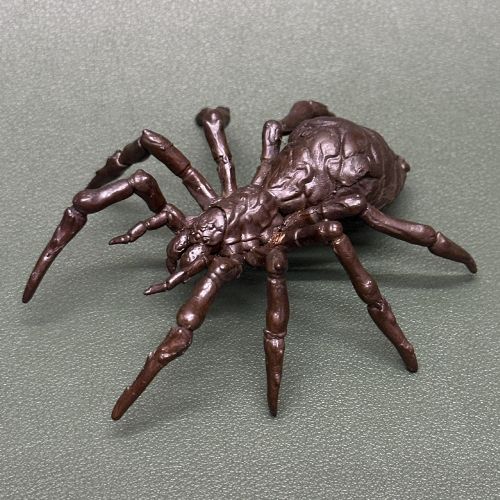
Several bronze beetles, spiders, crabs, and centipedes wait patiently on this page to startle unwary visitors.
What Varies in Quality
The standard of carving and casting defines the quality of a japanese meiji period okimono, separating mass-produced items from masterworks. Naturalistic proportions, anatomical accuracy, and fine surface detailing in fur, feathers, or scales distinguish superior examples.
Signed pieces bearing the marks of recognised artists or distinguished workshops reflect higher workshop standards and careful finishing. The integration of mixed-metal patination, gold inlay, or gold leaf adds layers of complexity to the finished object.
Jomi Eisuke·Kaniya Kuniharu·Makuzu Kozan II·Unno Shomin·Genryusai Seiya
The Japanese Meiji Period Okimono Glossary
- Okimono
- A Japanese ornamental object or display sculpture placed for appreciation.
- Patinated bronze
- Metal treated with chemical solutions to produce an aged surface colour.
- Jizai
- An articulated metalwork piece constructed with movable joints.
- Satsuma
- A type of Japanese earthenware featuring a crackle glaze and enamel painting.
Japanese Meiji Period Okimono: Frequently Asked Questions
What is an okimono?
An okimono is a decorative carving or sculpture designed for display inside a home. These items sit on shelves, tables, or within tokonoma alcoves.
Craftsmen produced them in materials such as bronze, wood, ivory, and porcelain during the nineteenth and twentieth centuries.
How were bronze figures made?
Makers cast bronze using traditional methods, often utilising the lost-wax technique to achieve complex forms. After casting, metalworkers chased the surface by hand to refine details like hair, fur, and scales.
Many pieces received chemical patination to create dark brown, green, or black tones.
Where should I display an okimono?
These sculptures suit tabletops, mantelpieces, and cabinets where viewers can observe close-up details. Smaller pieces fit well in enclosed display spaces, while larger bronze figures stand alone on floors or pedestals.
Keep wooden and metal pieces away from direct sunlight and extreme humidity.
Are okimono signed?
Many examples bear signatures, seals, or workshop marks stamped or carved into the base or body. These signatures can indicate the individual artist, the foundry, or the kiln responsible for the work.
Unsigned pieces remain common and were produced to the same commercial standards.