

Japanese Meiji Bronze Sculpture
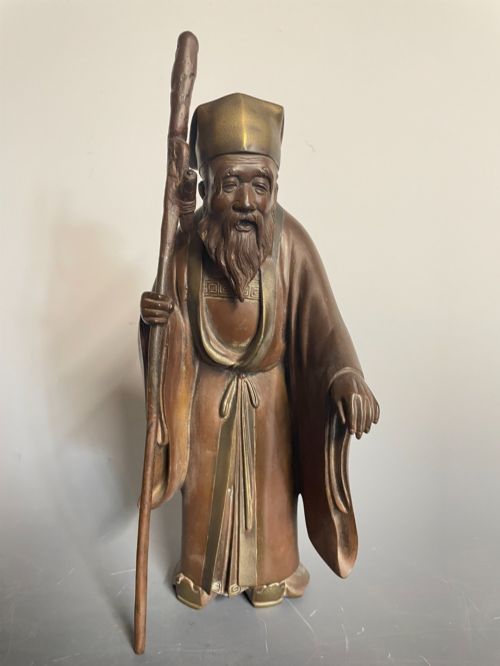
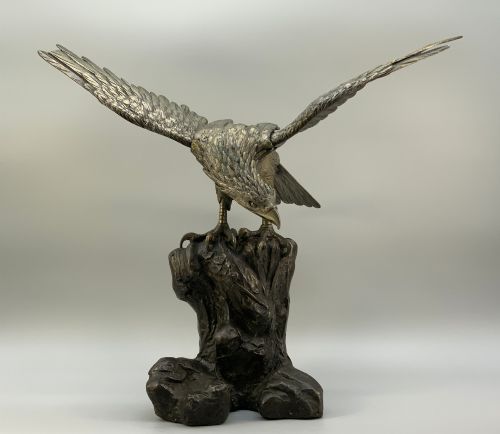
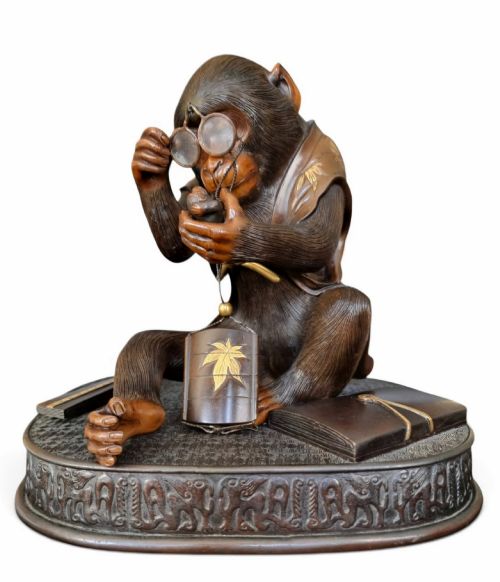
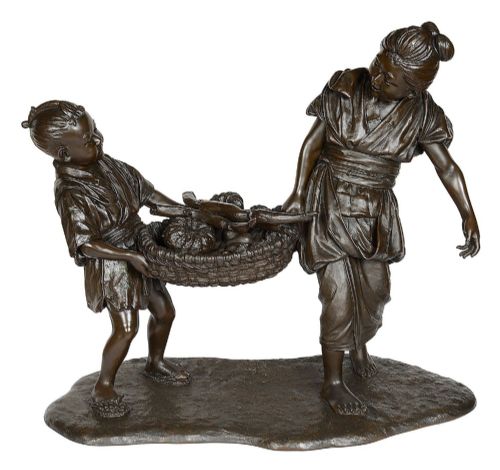
These japanese meiji bronze sculpture pieces capture the precision and naturalism of late nineteenth and early twentieth-century metalwork.
Japanese Meiji Bronze Sculpture
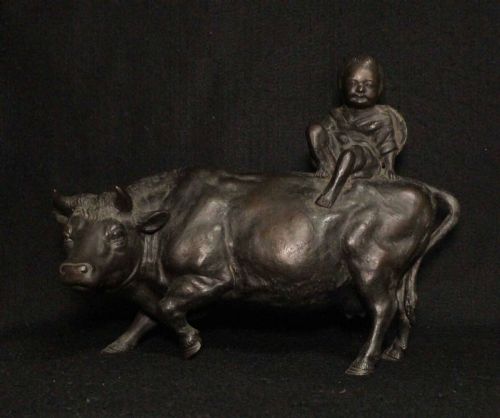
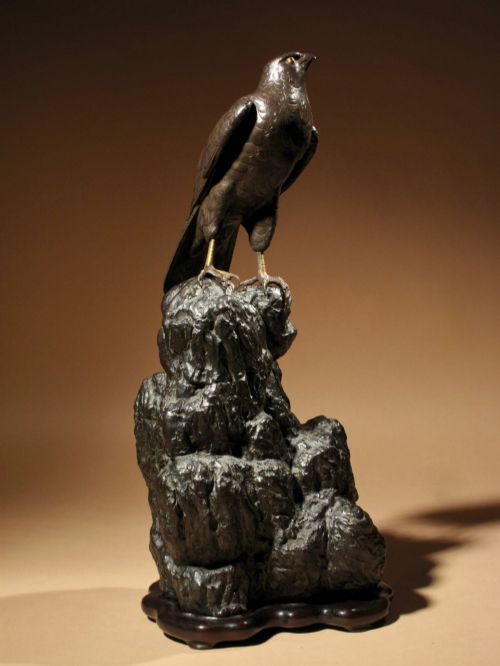
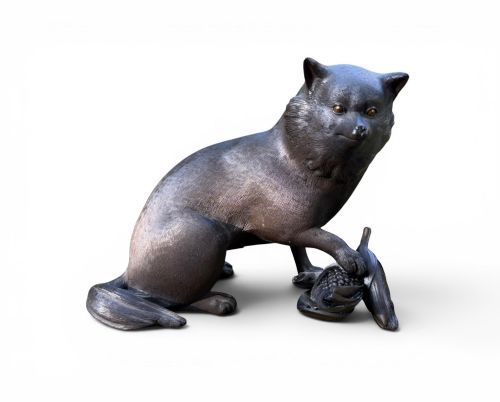
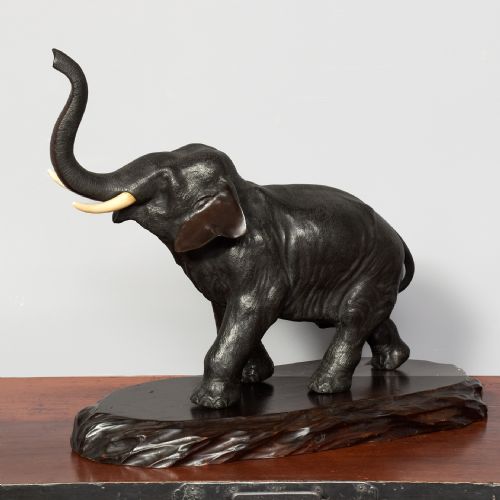
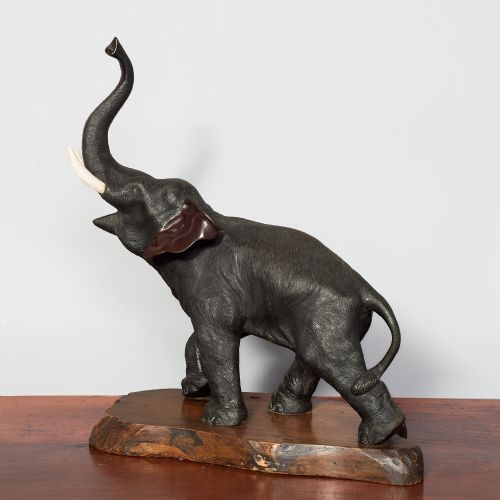
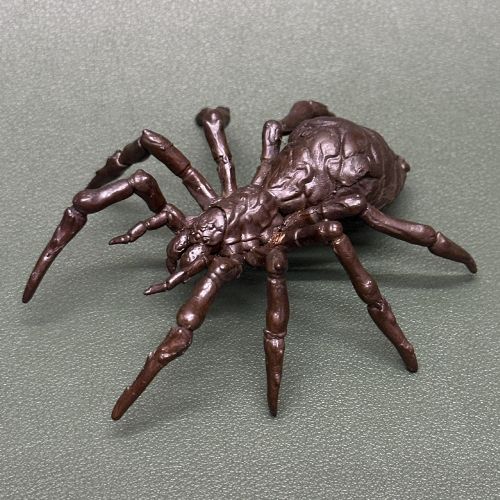
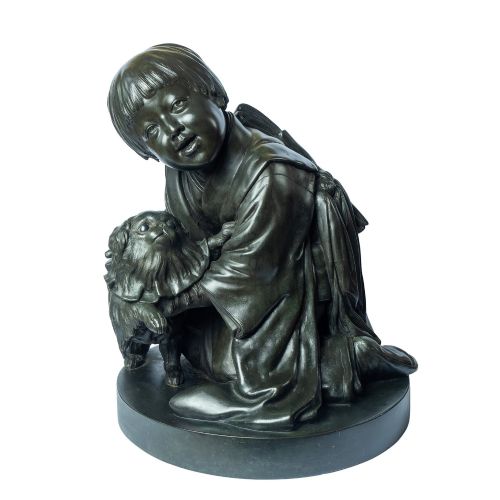
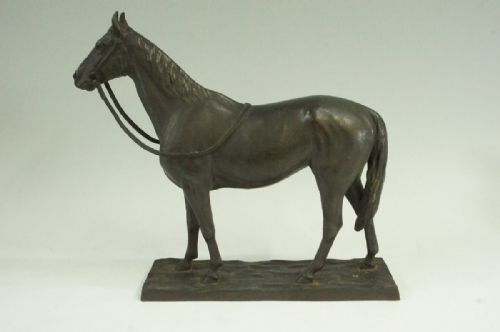
A japanese meiji bronze sculpture typically takes the form of an okimono, an ornamental object designed for display in a domestic interior rather than for shrine use. The selection spans domestic figures, scholars, figures with animals, and detailed representations of fauna ranging from eagles and monkeys to elephants and rhinoceros beetles.
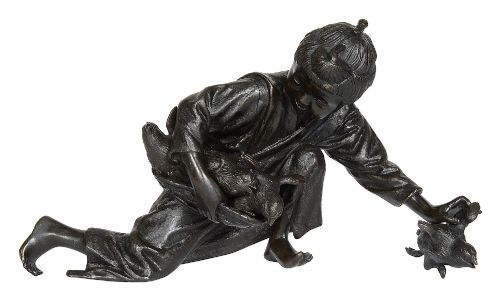
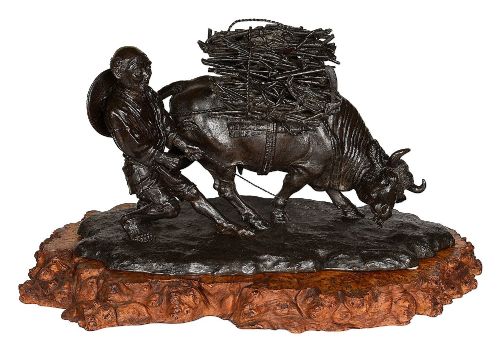
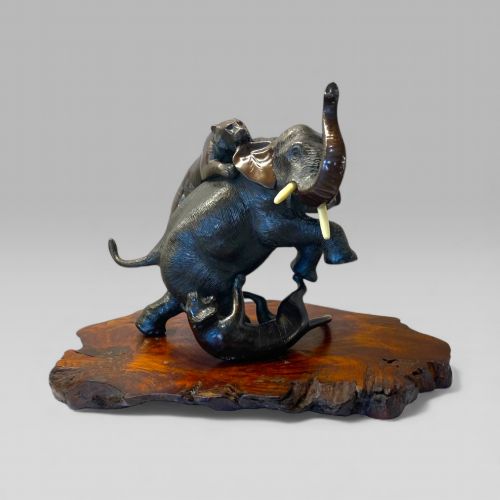
The objects frequently depict narrative scenes from daily life, such as a woodsman with a buffalo, a girl gathering chickens, or an oni demon. Naturalistic subjects are prominent, encompassing detailed studies of birds, insects, and larger groups like elephants fighting tigers.
Makers utilised various scales, from small tabletop figures to monumental garden statuary and temple vases. The forms draw on traditional Japanese aesthetics adapted through the Meiji period to suit international and domestic collectors.
How They Were Made
Foundries employed the lost-wax casting method to achieve high levels of anatomical detail and complex postures. Artisans then applied patination techniques to alter the surface colour of the metal, creating deep browns, blacks, and iridescent finishes.
Mixed-metal work often complemented the bronze base, incorporating gold inlay, shakudo, bone, and ivory to highlight specific details like eyes, tusks, or garments. Articulated sections, seen in centipedes and other insects, required individual segments to be cast and joined mechanically.
Recorded subjects include human figures, garden statuary, architectural elements like drum bridges, and naturalistic studies of insects and animals.
What Varies in Quality
The standard of a japanese meiji bronze sculpture depends on the crispness of the chasing and the subtlety of the surface patination. Master metalworkers achieved lifelike textures in fur, feathers, and skin that lesser productions leave flat or formulaic.
Signatures by recognised makers or Tokyo foundries indicate workshop provenance and often correspond with superior execution. Compositional complexity, such as dynamic multi-figure groups or fully articulated limbs, separates standard decorative output from works of high artistic ambition.
Jomi Eisuke·Masaaki·Kunio Itô·Tsunemitsu·Kaniya Kuniharu·Sakai Kōzan·Miyao Eisuke·Unno Shomin
The Japanese Meiji Bronze Sculpture Glossary
- Okimono
- An ornamental object or display piece intended for placement in a traditional Japanese room. These sculptures range from small figures to substantial animal studies.
- Shakudo
- A Japanese alloy of copper and a small percentage of gold that develops a dark blue-black patina when treated. It appears frequently in mixed-metal decorative elements.
- Patinated Bronze
- Bronze treated with chemical solutions to produce a controlled surface colour or texture. This finish protects the metal and defines the visual depth of the sculpture.
- Minogame
- A mythical turtle or tortoise with a trailing tail of seaweed, associated with longevity in Japanese folklore. It appears in miniature and larger sculptural forms.
- Articulated
- Built with movable joints that allow sections of the sculpture to flex. This technique was used by master metalworkers for insects and crustaceans.
Japanese Meiji Bronze Sculpture: Frequently Asked Questions
What is an okimono?
An okimono is a decorative object designed for display in a room rather than for formal tea ceremony or ritual use. These pieces became prominent during the Meiji period as craftsmanship shifted toward independent sculptural art.
They depict human figures, deities, and a wide array of natural subjects including birds, insects, and mammals.
How are mixed-metal elements used?
Mixed-metal elements involve combining bronze with alloys like shakudo, alongside gold inlay, bone, and ivory. These contrasting materials highlight specific details such as eyes, tusks, or garment trims.
The technique demonstrates the technical range of Meiji period metalworkers.
Where were these sculptures made?
These sculptures were produced in specialised workshops and foundries across Japan, including facilities in Tokyo. Major makers often signed their work to denote the producing house or individual artist.
Production scaled up during the Meiji period to supply both domestic demand and export markets.
How should I display a bronze sculpture?
Bronze sculptures benefit from stable indoor environments away from excessive moisture and direct sunlight. Placing them on flat, sturdy surfaces allows the patinated finish and fine details to be viewed clearly.
Dusting with a soft, dry cloth helps maintain the surface without disturbing the metal patina.