





Japanese Lidded Pot
A Japanese lidded pot brings centuries of meticulous craftsmanship into your home, offering exquisite storage and display through traditional ceramics and metalwork.
Japanese Lidded Pot
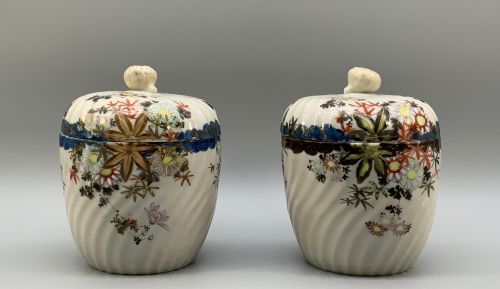
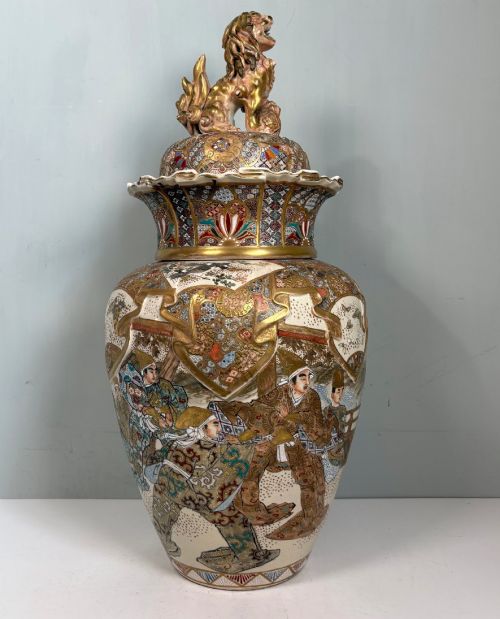
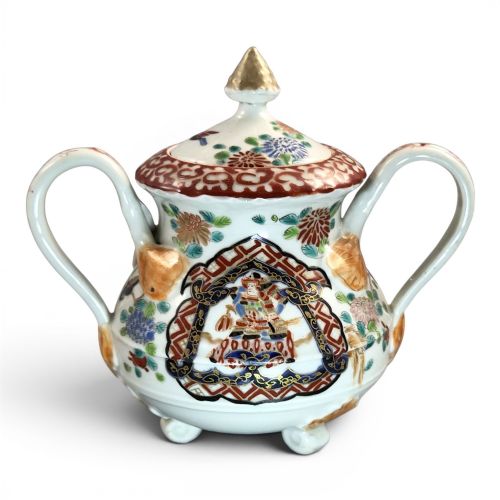
The items listed on this page showcase distinct regional styles and periods, including Imari porcelain, Satsuma earthenware, and intricate cloisonne enamel work. Collectors frequently meet ginger jars and lidded pots featuring detailed floral motifs, samurai figures, and bird designs.
Vessels span the nineteenth century and the Edwardian era, reflecting both traditional domestic forms and items made for export. Each lidded pot retains the specific aesthetic values of its era of origin, from the restrained Edo period designs to the ornate Meiji period creations.
Factors That Distinguish Quality
Quality rests upon the precision of the execution, whether in the crispness of the porcelain painting or the tightness of the enamel cells on cloisonne pieces. Finer pots display exact symmetry and deliberate brushwork, with no blurring of the pigments or uneven metal application.
Signatures from established studios and makers, such as Fukagawa or Kyoto-based artists, elevate the standing of a vessel. The complexity of the decorative scheme, including multi-coloured mosaics and detailed figural scenes, also separates standard production items from exceptional works.
Japanese Lidded Pot Retail Price Guide 2026
Typical asking prices for japanese lidded pot among the pieces listed under this phrase on Sellingantiques today, from the lower quarter to the upper quarter. They describe what is for sale here now, not the wider market.
Fukagawa Mark·Kotobuki do·Shozan Kyoto Studio
The Japanese Lidded Pot Glossary
- Cloisonne
- A decorative metalwork technique where fine wires create compartments filled with enamel paste and fired. This method produces vibrant surface patterns across ginger jars and vases.
- Imari
- A style of Japanese export porcelain characterised by a palette of underglaze blue, iron red, and gold. These ceramics typically display rich floral and geometric designs.
- Satsuma
- An earthenware pottery type with a crackled ivory glaze and detailed overglaze enamel paintings. Pieces often feature figures, landscapes, and raised gold leaf.
- Koro
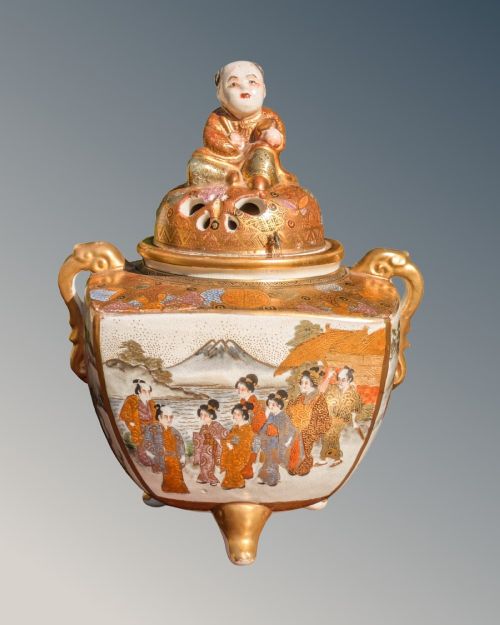
- A traditional Japanese incense burner fitted with a pierced lid to allow scented smoke to escape. They appear in ceramic and metal variations.
- Ginger jar
- A storage vessel featuring a rounded body and a matching lid, originally used to transport spices. Antique examples often showcase bird and floral motifs.
Japanese Lidded Pot: Frequently Asked Questions
How do I date a Japanese lidded pot?
Dating relies on stylistic markers, materials, and associated studio signatures or period designations like the Edo or Meiji eras.
Examining the glaze composition and manufacturing techniques provides further context for placing a vessel within the nineteenth century or later.
Were these pots used for food storage?
Ginger jars and sugar bowls served functional roles in domestic storage, while items like sake kettles held liquids for consumption.
Other lidded vessels, such as koro incense burners, fulfilled ritual and aromatic purposes within the home.
What is the difference between Satsuma and Imari?
Satsuma ware consists of crackled earthenware decorated with complex enamel and gold leaf motifs. These pieces often depict historical figures or dense floral scenes.
Imari ware is a hard porcelain utilising a distinct palette of blue, red, and gold, focusing on geometric and botanical patterns.
How should I display my lidded pot?
These vessels suit placement on sideboards, shelves, or dedicated display cabinets where their detailed surfaces catch the light. Ensuring stable placement protects the delicate glazes and metal fittings from accidental knocks.