







Japanese Display Shelves
Japanese display shelves bring intricate oriental craftsmanship into western interiors, offering striking spaces to showcase treasured small objects.
Japanese Display Shelves
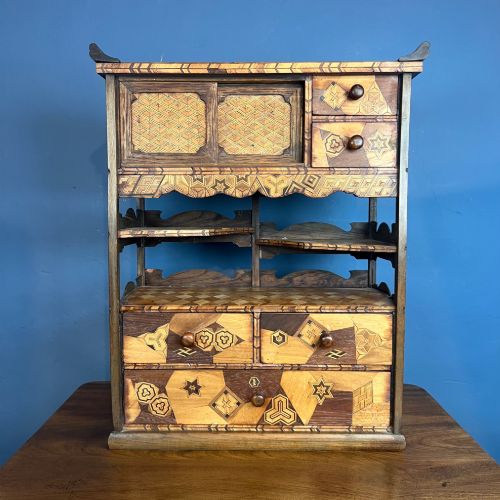
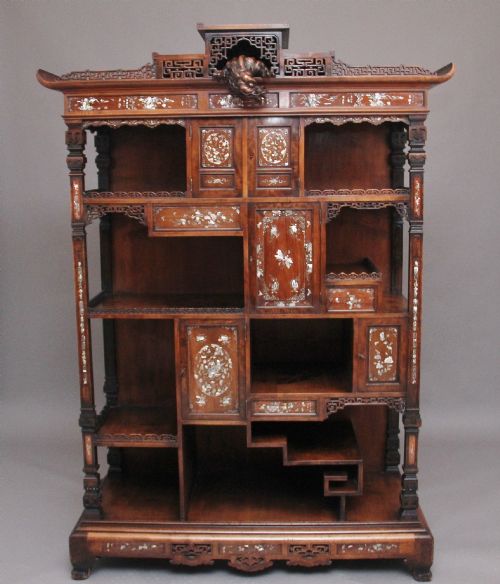
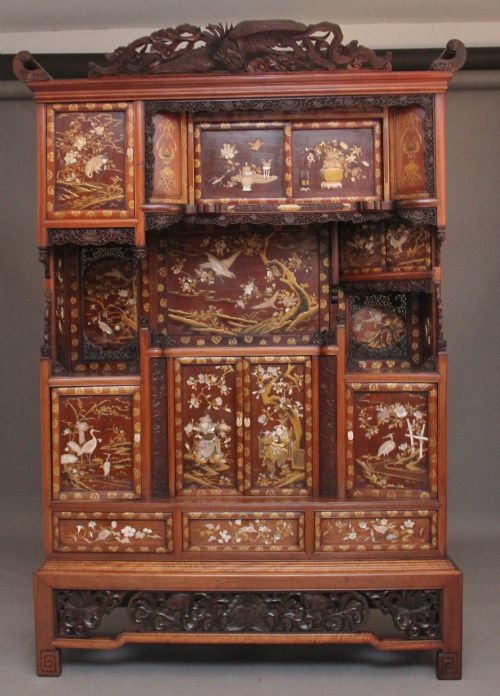
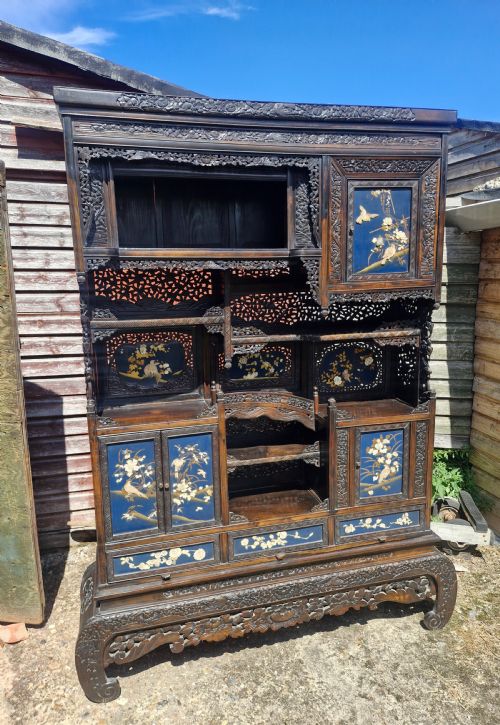
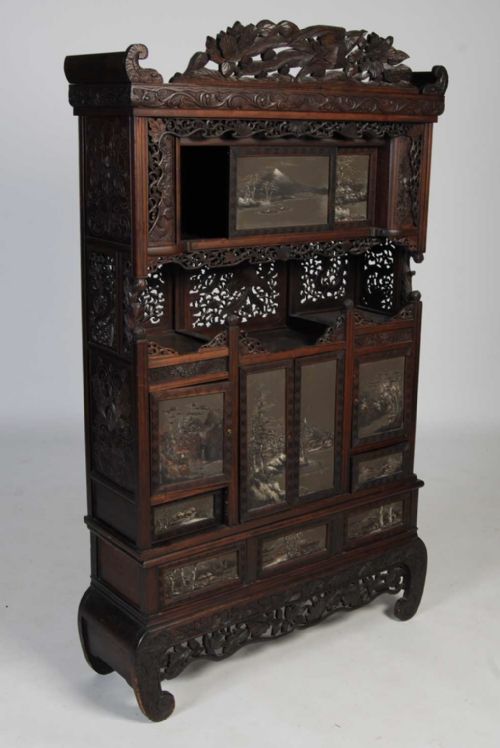
When searching for japanese display shelves, buyers encounter complex wooden cabinets designed for exhibiting ornaments and curiosities. These pieces include elaborate shodana cabinets originating from the Japanese Meiji period alongside western interpretations influenced by Asian export styles.
Most examples found here date from the nineteenth century, particularly the late Victorian and Meiji eras. They combine traditional Asian woodworking techniques with European domestic furniture forms such as corner shelves, side tables, and overmantel mirrors.
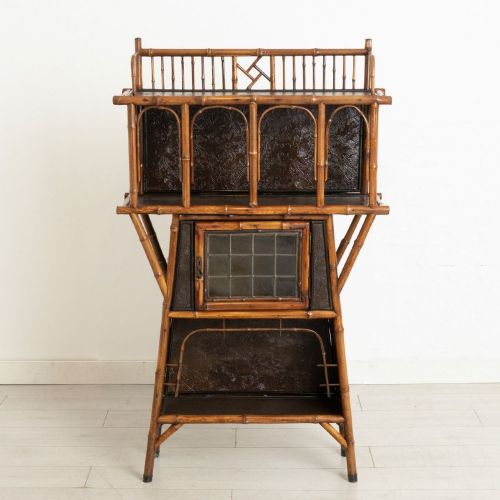
Forms range from compact bamboo stands to large, highly decorative lacquer and hardwood shodana cabinets on stands. Buyers select these items to introduce asymmetric shelving and exotic aesthetic movement character into period or modern rooms.
How they were made
Maker construction relies heavily on native hardwoods, flexible bamboo, and dark lacquer surfaces. Artisans incorporated delicate mother of pearl inlay, carved bone details, and subtle gold leaf accents to highlight complex architectural compartments.
Carpenters utilised traditional joinery methods to build asymmetrical tier arrangements designed for holding porcelain and decorative objects. Glass panels and ebonised frames appear in western workshop adaptations from the aesthetic period.
Japanese Display Shelves Retail Price Guide 2026
Typical asking prices for japanese display shelves among the pieces listed under this phrase on Sellingantiques today, from the lower quarter to the upper quarter. They describe what is for sale here now, not the wider market.
Listings feature nineteenth century Victorian and Meiji period pieces utilising hardwood, bamboo, lacquer, and mother of pearl.
What varies in quality
Superior examples display deeply carved woodwork, seamless lacquer finishes, and intricate mother of pearl or bone inlay work that remains securely seated within the grain. Lesser pieces rely on simpler painted decoration and basic structural joinery without the depth of traditional Meiji carving.
The sophistication of the internal compartment arrangement dictates the grade of a shodana. Finer cabinets feature balanced asymmetry with numerous sliding doors and small drawers, whereas simpler items present basic open shelving.
Leonard Wyburd for Liberty and Co
The Japanese Display Shelves Glossary
- Shodana
- A traditional Japanese cabinet featuring asymmetrical shelving, cupboards, and small drawers designed for displaying ornaments. These pieces represent the pinnacle of Meiji period decorative woodwork.
- Meiji Period
- The era in Japanese history spanning from eighteen sixty-eight to nineteen twelve marked by extensive artistic output exported to western markets. Items from this time display exceptional carving and lacquer work.
- Aesthetic Movement
- A nineteenth century western design movement that rejected heavy Victorian manufacturing in favour of oriental art inspiration. Furniture from this style often incorporates Japanese motifs and ebonised finishes.
- Japonisme
- The influence of Japanese art and design on western fine and decorative arts during the late nineteenth century. This cultural exchange shaped European cabinet making and interior decoration.
- Overmantel Mirror
- A large mirror designed to hang directly above a fireplace mantelpiece. Aesthetic period examples frequently incorporate Japanese shelving and bamboo framing.
Japanese Display Shelves: Frequently Asked Questions
What is a shodana cabinet?
A shodana is a traditional Japanese display cabinet featuring multiple asymmetrical tiers, small cupboards, and sliding doors. Makers designed these pieces specifically to exhibit small artistic objects and ceramics.
In western collections, authentic Meiji period shodanas serve as striking focal points in reception rooms and studies. Their intricate compartment layouts offer practical display space while demonstrating advanced nineteenth century woodworking skill.
How do I date a Japanese display shelf?
Dating relies on examining the materials, construction methods, and stylistic influences present in the piece. Nineteenth century examples often combine traditional Japanese lacquer techniques with European cabinet dimensions.
Items associated with the Aesthetic Movement or the Meiji period typically date between eighteen eighty and nineteen hundred. Documentation or attribution to specific London retailers provides additional chronological markers.
Where should I place these shelves in my home?
Japanese display shelves suit spaces where small decorative objects require a dedicated focal point. Their varied shelf heights accommodate ceramics, bronzes, and curiosities with ease.
Placing a cabinet against a plain wall allows the intricate wood carving and asymmetrical design to stand out. Smaller bamboo stands and side tables function effectively in corners or alongside seating.
How do bamboo and lacquer shelves differ?
Bamboo pieces reflect the light and airy aesthetic movement style popular in late Victorian British interiors. They offer an organic texture suitable for lighter rooms and conservatories.
Lacquer shodanas present a darker, highly polished surface enriched with gold leaf and mother of pearl inlay. These substantial cabinets demand more considered placement within a room due to their ornate visual weight.