

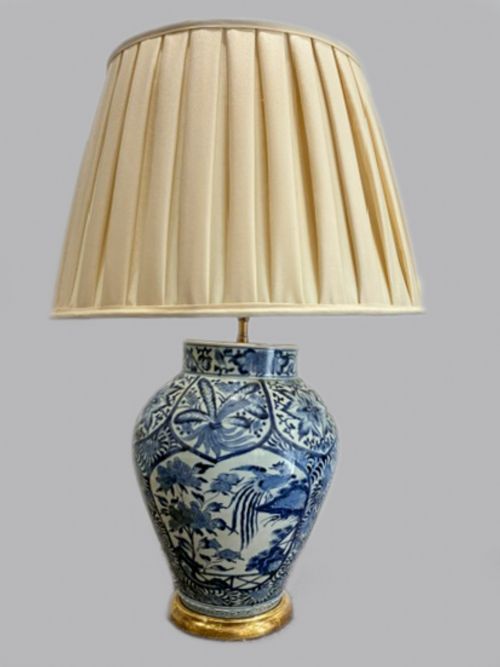
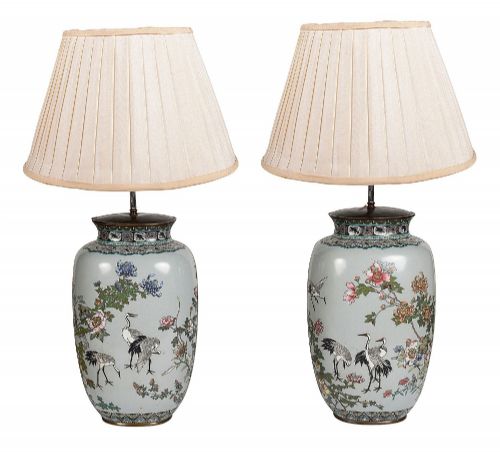
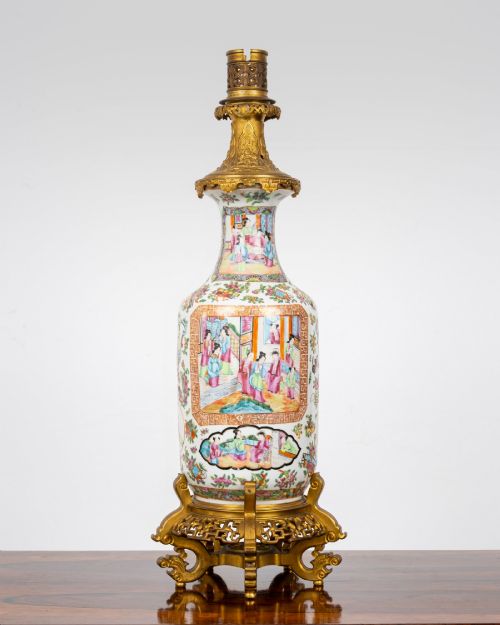



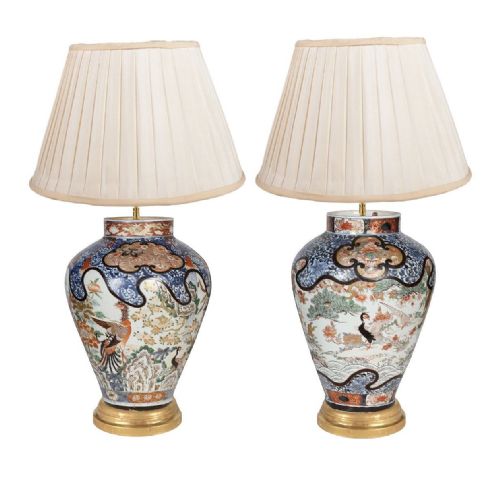


Japanese Ceramic Table Lamp
A japanese ceramic table lamp brings centuries of intricate hand-painted artistry and rich Far Eastern heritage directly into domestic lighting schemes.
Japanese Ceramic Table Lamp
A japanese ceramic table lamp combines traditional pottery, porcelain, or earthenware vessels with electrical fittings to create functional illumination. These bodies originate from centuries past, often starting life as vases before later conversion into lamps.
Buyers will frequently encounter pairs dating from the nineteenth century, alongside examples from the seventeenth and eighteenth centuries. Forms range from large Satsuma and Kutani vessels to blue and white Imari porcelain.
The aesthetic bridges Japanese periods such as the Edo and Meiji eras with later twentieth-century adaptations. Many retain original decorative motifs that reflect distinct regional kilns and classic eastern designs.
How they were made
Makers shaped porcelain, earthenware, and ceramic bodies by hand, often incorporating cloisonné enamel work or detailed surface painting. Artisans utilised brass, gilt bronze mounts, and wood to stabilise and complete the structures.
Many items incorporate fabric and silk shades paired with metal fitments added during conversion. The construction marries ancient ceramic firing techniques with later wiring and mounting practises.
Japanese Ceramic Table Lamp Retail Price Guide 2026
Typical asking prices for japanese ceramic table lamp among the pieces listed under this phrase on Sellingantiques today, from the lower quarter to the upper quarter. They describe what is for sale here now, not the wider market.
The selection includes pieces created across four distinct centuries, spanning earthenware, porcelain, and cloisonné enamel.
What varies in quality
The standard of painting on the ceramic body dictates the visual hierarchy, with finer brushwork and richer enamel detailing marking superior examples. The crispness of the porcelain paste and the integration of metal mounts also influence the overall finish.
Proportion and symmetry between paired vessels separate standard examples from exceptional matching sets. The subtlety of the glaze and the preservation of the original hand-applied decoration define the upper tier of the range.
The Japanese Ceramic Table Lamp Glossary
- Satsuma
- A type of Japanese earthenware featuring a ivory-coloured, crackle-glaze finish heavily decorated with enamels and gilt. It is frequently seen on lamps originating from the nineteenth and early twentieth centuries.
- Imari
- A style of Japanese porcelain decorated in underglaze blue and overglaze red, gold, and green. This colourful palette was produced in Arita and exported extensively to Europe.
- Kutani
- A style of Japanese porcelain known for bold pictorial designs and vibrant colour schemes, particularly greens and golds. These wares often depict traditional figures, birds, and natural scenery.
- Cloisonné
- A technique where enamel is applied to compartments created by soldering flat metal wire onto a base object. This method produces intricate, colourful patterns across the surface of vases and lamp bodies.
- Meiji Period
- The era in Japanese history spanning from 1868 to 1912, characterised by a shift towards modernisation and increased export of decorative arts. Pieces from this time often exhibit exceptional technical mastery.
Japanese Ceramic Table Lamp: Frequently Asked Questions
Are these antique lamps converted from old vases?
Most of these pieces started life as decorative vessels, such as jars or vases, before being professionally converted into lamps at a later date.
This conversion process preserves the historical ceramic body while adapting the piece for modern domestic interiors.
How do I identify Satsuma ware?
Satsuma ware is typically recognised by its distinctive cream or ivory-coloured earthenware body covered in a fine network of crackled glaze.
These surfaces are usually embellished with dense hand-painted patterns and raised gilding depicting traditional figures and motifs.
What is the difference between Imari and Kutani?
Imari porcelain traditionally relies on a palette of cobalt blue and iron red, frequently accented with gold, produced in the Arita region.
Kutani porcelain is distinguished by its bolder, highly colourful designs that often feature prominent greens, purples, and deep golds.
How do I care for a ceramic lamp?
Dust the ceramic body gently with a dry, soft cloth to prevent any accumulation of dirt on the painted surfaces or enamel.
Avoid using harsh chemical cleaning products or abrasive materials that might damage the historical glaze or the metallic mounts.