



Japanese Bronze Plate
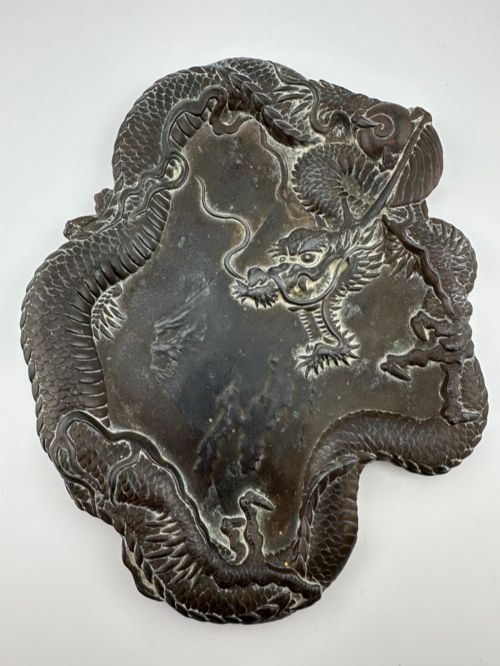
These heavy metal Japanese bronze plate designs deliver dragons, geese and chrysanthemums straight from the Meiji and Edo periods into your interior.
Japanese Bronze Plate
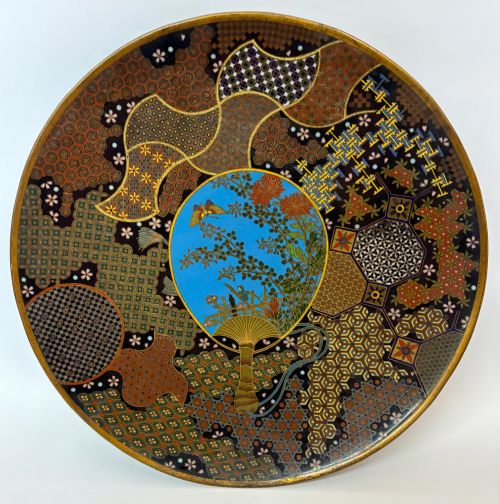
A japanese bronze plate typically takes the form of a decorative charger, dish or tray designed for display rather than dining. You will frequently encounter Meiji period examples featuring intricate wirework and enamel alongside patinated bronze surfaces.
The selection ranges from mid-nineteenth century Edo period works to later Victorian era interpretations. Forms include large decorative chargers adorned with dragons, birds and auspicious symbols as well as smaller dishes.
Makers utilised various base metals and techniques, meaning you might find copper, brass and antimony metal alongside traditional bronze. Door pulls also appear occasionally within this grouping as functional architectural elements.
How they were made
Metalworking combined casting and hammering with patination techniques to achieve deep, dark finishes on bronze, brass and copper. Artisans applied chemical treatments to age the metal surfaces and create rich tones.
Cloisonne enamel pieces required fine wire soldered to the metal base to form cells that held coloured glass pastes before firing. Mixed-metal inlay work also appears, contrasting different metal alloys on a single plate.
Totai shippo examples involved enamelling directly onto a porcelain core rather than metal. Skilled hands polished the finished surfaces to reveal precise depictions of nature and myth.
Japanese Bronze Plate Retail Price Guide 2026
Typical asking prices for japanese bronze plate among the pieces listed under this phrase on Sellingantiques today, from the lower quarter to the upper quarter. They describe what is for sale here now, not the wider market.
Listings feature items spanning the Edo period through the Meiji period, incorporating bronze, copper, brass and cloisonne enamel.
What varies in quality
The fineness of the cloisonne wirework and the complexity of the imagery separate standard plates from exceptional chargers. Masterpieces display intricate detail in subjects like dragons, koi and flora with minimal cell distortion.
The depth and uniformity of the bronze patination or enamel glazing indicate the maker's skill. Superior pieces maintain consistent colouring and secure metal inlays across the entire surface of the dish.
Kinkozan·Komai
The Japanese Bronze Plate Glossary
- Charger
- A large decorative plate intended for display on a wall or sideboard rather than for practical table use. These substantial pieces often feature the most elaborate artistic motifs.
- Cloisonne
- An enamelling technique where metal wire creates small compartments on a metal base to hold coloured glass paste. Firing fuses the enamel into a smooth, decorative surface.
- Meiji Period
- The era in Japanese history spanning from eighteen sixty-eight to nineteen hundred and twelve, noted for exceptional metalwork and enamel production exported to the West.
- Patinated Bronze
- Bronze treated with chemicals or heat to alter its surface colour and texture. This process produces dark, aged finishes that highlight the underlying metallic form.
- Totai Shippo
- A specific method where enamel is applied over a porcelain body rather than metal. It mimics traditional cloisonne while utilising a ceramic core.
Japanese Bronze Plate: Frequently Asked Questions
How do I hang a heavy charger?
Large chargers require robust, adjustable brass wall hangers that grip the rim securely without scratching the enamel or metal. Ensure the fixing goes directly into a wall stud to support the considerable weight safely.
Position the plate at eye level where the fine details of the cloisonne or patination can be fully appreciated in natural light.
Can I use these plates for food?
These decorative plates and chargers are strictly intended for display rather than culinary use. Many incorporate toxic elements in their enamels or possess delicate surface wires that would be damaged by cutlery.
Keep them safely away from moisture and food acids to preserve the original bronze patination and glass enamels.
How do I clean a bronze plate?
Dust the surface gently with a soft, dry microfiber cloth to remove particles without abrading the metal or enamel. Avoid all water, chemical polishes and commercial cleaners which strip the historical patina.
Leave patinated bronze and cloisonne surfaces untouched by liquids to maintain their stable historical condition.
What is Komai style?
Komai style refers to iron or metalwork decorated with intricate gold and silver overlay depicting traditional Japanese scenes. This technique creates a striking contrast between the dark metal base and precious wire inlays.
Plates executed in this manner reflect the pinnacle of nineteenth-century Japanese metalcraft artistry.