





Japanese Bronze Dish
When you handle a Japanese bronze dish, you hold a piece of intricate metalwork shaped by decades of meticulous artisan skill.
Japanese Bronze Dish
A Japanese bronze dish encompasses a range of decorative plates, chargers, and trays originating from the Edo, Meiji, and Showa periods. These objects serve primarily as decorative centerpieces or vessels, often featuring raised motifs and patinated surfaces.
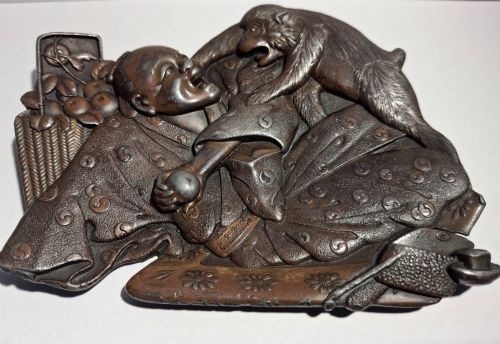
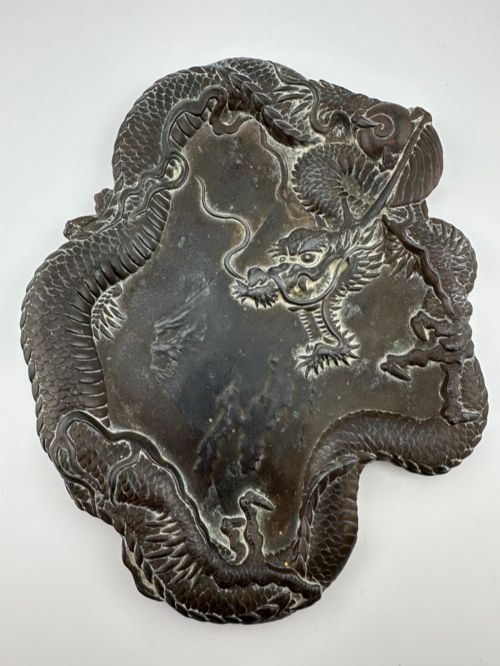
The pieces you encounter most frequently on this page date from the late nineteenth century, specifically the Meiji period. They include large chargers, smaller trinket dishes, and mixed-metal trays decorated with traditional motifs such as dragons, koi, and flora.
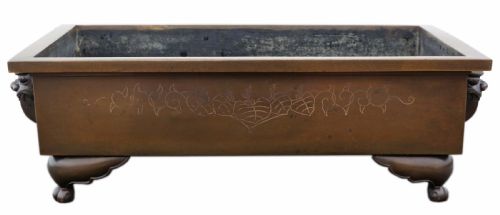
Makers from this era utilised various foundational forms, ranging from flat circular plates to deep jardinière bowls and lidded pedestal vessels. Each variant demonstrates the distinct aesthetic priorities of its respective decade of manufacture.
Materials and Techniques
Casting forms the basis of these metal objects, utilising bronze, brass, copper, and antimony. Artisans then applied patination techniques to alter the surface colour of the metal, creating deep browns and dark tones.
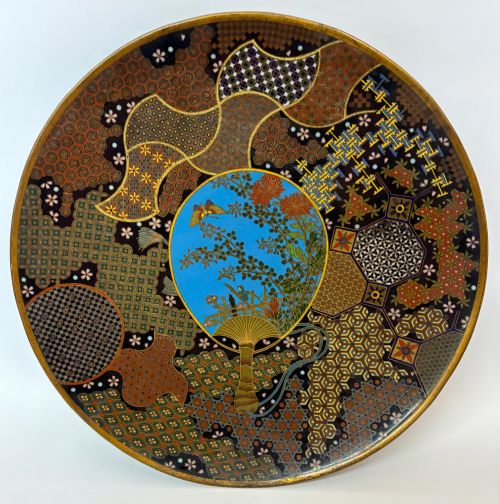
Many examples incorporate mixed-metal detailing, wiring, and enamel work known as cloisonné. Craftsmen soldered fine metal wires to the metal base to partition the enamel pastes before firing, while others applied silver and gold appliqués directly onto the surface.
Japanese Bronze Dish Retail Price Guide 2026
Typical asking prices for japanese bronze dish among the pieces listed under this phrase on Sellingantiques today, from the lower quarter to the upper quarter. They describe what is for sale here now, not the wider market.
Several dragon dishes include hidden frogs among their decorative flora, waiting quietly beneath the waves.
Quality and Execution
The standard of a Japanese bronze dish depends significantly on the precision of its surface decoration and metalworking technique. Pieces exhibiting fine, crisp detailing in the applied motifs and smooth, even patination stand apart from simpler productions.
Artisan signatures and complex mixed-metal inlay work indicate a higher level of workshop output. The complexity of the wirework in enamelled pieces and the depth of the metal relief further distinguish masterworks from standard decorative wares.
Kinkozan
The Japanese Bronze Dish Glossary
- Patinated bronze
- Bronze that has been chemically treated to alter its surface colour and texture. This process protects the metal while producing dark, rich tones.
- Cloisonne enamel
- A decorative technique where thin metal wires are soldered to a metal body to create compartments for enamel paste. These compartments are subsequently fired and polished.
- Charger
- A large ornamental plate intended for display rather than dining. These substantial pieces often feature intricate pictorial scenes.
- Mixed metals
- The combination of different metallic elements such as gold, silver, copper, and bronze on a single object. This technique creates contrasting colour details in the design.
- Edo Period
- A historical epoch in Japan spanning from 1603 to 1868. Objects from this time often exhibit traditional craftsmanship predating industrial modernisation.
Japanese Bronze Dish: Frequently Asked Questions
How do I display a charger safely?
Display these large plates using sturdy wall brackets designed for heavy metal objects or stable desk stands with rubberised supports. Ensure the weight is evenly distributed across the base.
Keep the items away from direct sunlight and areas of high humidity to protect the patinated bronze and enamel surfaces from environmental degradation.
What is the difference between bronze and brass?
Bronze is an alloy primarily composed of copper combined with tin, often resulting in a deeper, warmer metallic tone when patinated. Brass consists of copper and zinc, typically yielding a brighter golden hue.
Meiji period artisans utilised both metals, frequently enhancing them with patination treatments or mixed-metal overlays to achieve specific artistic effects.
How should I clean my dish?
Dust the surface gently with a soft, dry microfibre cloth to remove particulate matter. Avoid abrasive cleaners, polishes, or chemical solvents that strip the original patination.
Water and liquid cleaners can damage enamel work and mixed-metal inlays, so dry maintenance remains the safest approach for antique metalware.
Why are some pieces signed?
Signatures on these objects indicate the workshop, artist, or studio responsible for the creation. Master craftsmen and prominent Meiji period houses often inscribed their work to denote quality.
These signatures typically appear as engraved or cast marks on the reverse of the plate or within the decorative border of the design.