
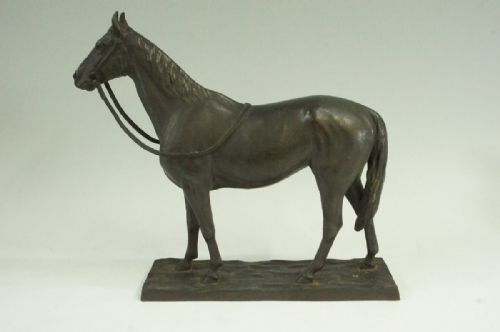


Japanese Bronze Animal Figurine
These Japanese bronze animal figurine pieces bring fierce tigers, playful puppies and wise monkeys into the room through master metalwork.
Japanese Bronze Animal Figurine
A Japanese bronze animal figurine captures the natural world or folklore through sculpted metal forms originating from the Meiji, Taisho, and Showa periods. These works often take the shape of okimono, designed as decorative display objects rather than religious items.
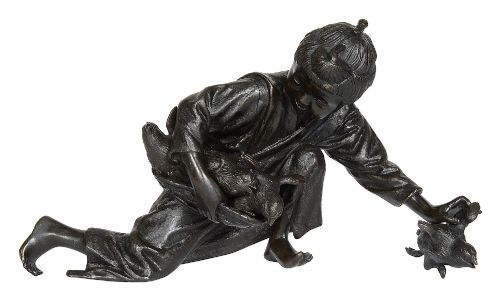
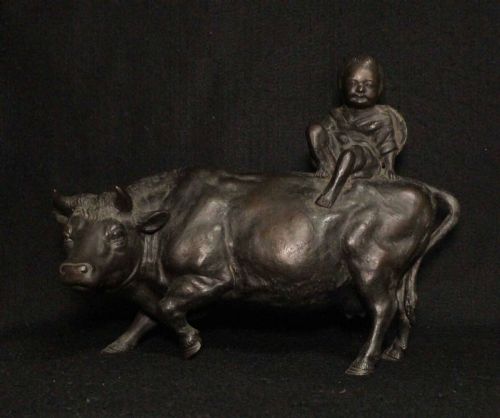
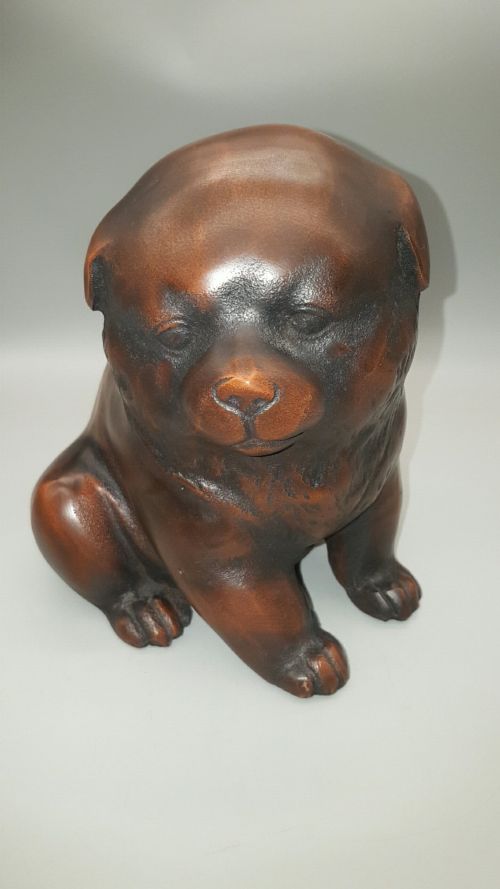
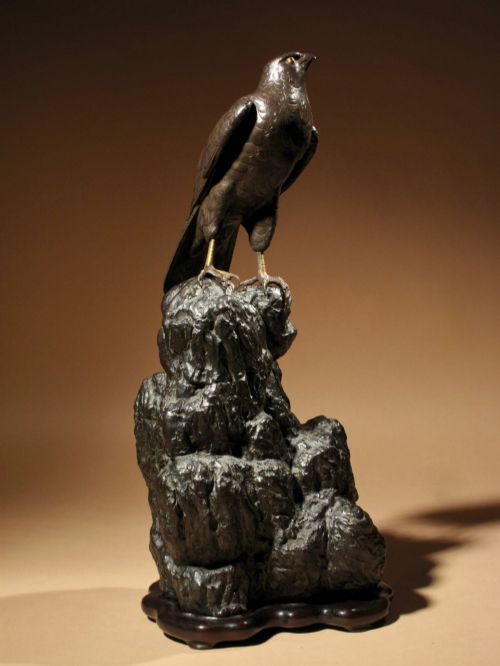
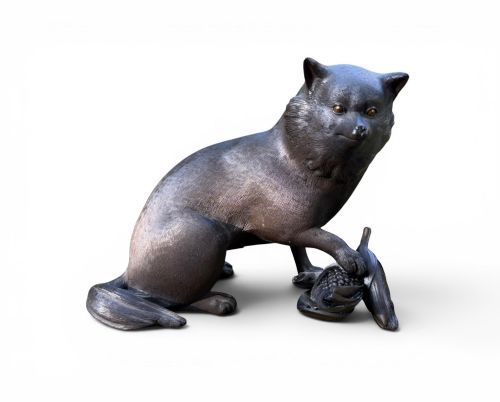
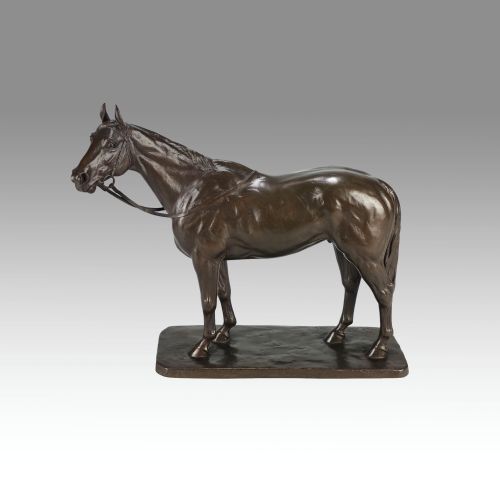
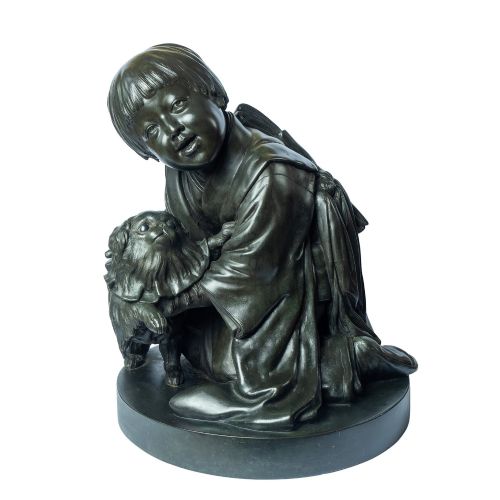
Most examples found here date from the nineteenth century through the early twentieth century, spanning eras like the Meiji period. Subjects range from domestic dogs and farm animals to wild predators such as tigers, elephants, wolves and hawks.
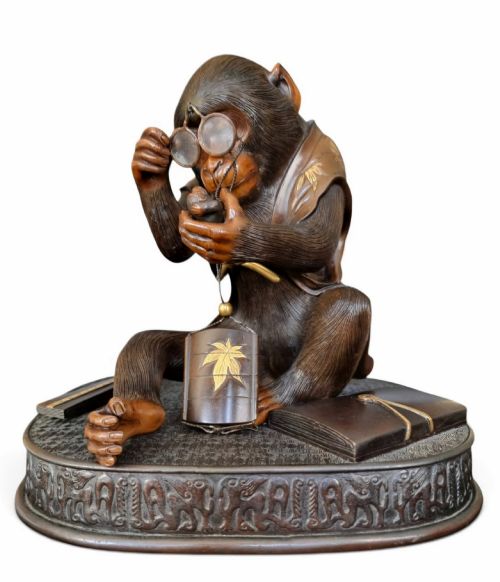
Many of these sculptures depict dynamic narratives, including elephants fighting tigers or monkeys exhibiting human traits. Formats vary from small tabletop studies to substantial sculptural figures.
What varies in quality
The distinction between standard works and master pieces lies in the precision of the casting and the sensitivity of the surface chasing. Finer sculptures display meticulous attention to musculature, feather texture and facial expression rather than relying on generalized casting shapes.
The integration of mixed metals and gold inlay elevates a piece, demonstrating superior workshop skill. Signed works by noted makers command greater attention due to documented artistry and distinct finishing.
Listings feature works from the 19th century, Meiji period, Taisho period, and Showa period, utilising bronze, wood, bone, and gold inlay.
Tsunemitsu·Shosai·Kunio Itô·Masaaki
The Japanese Bronze Animal Figurine Glossary
- Okimono
- A Japanese term for an ornamental object placed for display in an alcove or on a shelf. These standalone sculptures are intended purely for aesthetic appreciation.
- Meiji Period
- The era in Japanese history lasting from 1868 to 1912, marked by immense artistic output and the opening of trade with Western nations. Much of the finest decorative metalwork originates from this time.
- Showa Period
- The historical period spanning from 1926 to 1989, which followed the Taisho era. Pieces from this time continue traditional metal casting methods.
- Mixed-Metal
- A technique combining different metallic alloys, such as copper, bronze, and brass, within a single object to produce contrasting colours and visual depth.
Japanese Bronze Animal Figurine: Frequently Asked Questions
How do I identify a Meiji period piece?
Meiji period works typically display high technical skill in bronze casting alongside naturalistic detailing of animals and wildlife. Many carry artist signatures or studio marks from this specific era.
Examination of the patina and the use of mixed-metal inlays often help confirm the period of manufacture.
What is an okimono?
An okimono is a Japanese decorative sculpture designed for display in a home interior rather than for ritual use. These pieces focus on animals, figures, or genre scenes.
They range from small desk ornaments to larger floor-standing works of art.
Are these sculptures signed by the artist?
Many examples feature artist signatures or seals incised directly into the metal body or added as a plaque. These signatures indicate the maker or the workshop responsible for the casting.
Unsigned pieces remain common and are judged on their individual sculptural quality and casting merit.
How should I display a bronze figure?
Bronze figures suit placement on stable wooden furniture, desks or dedicated display shelves away from direct moisture. Many heavier animal sculptures include fitted hardwood bases to support the piece securely.
Handling the metal should be kept minimal to preserve the original surface patination.