






Japanese Art Metal Vessel
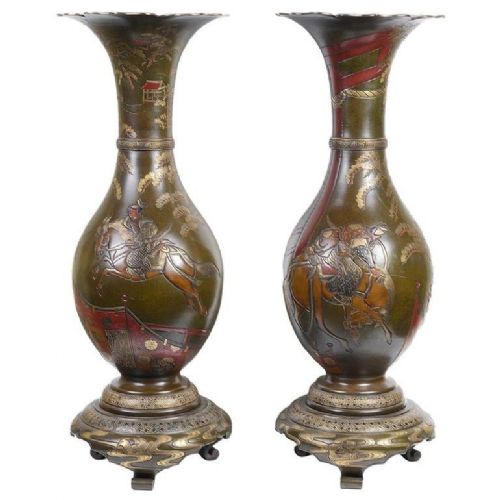
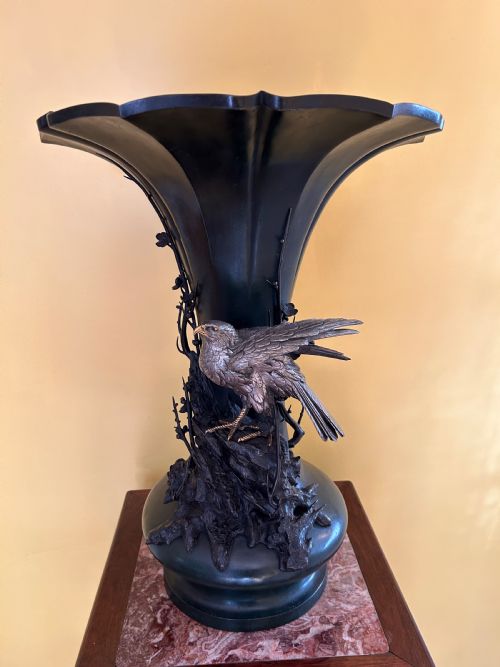
A Japanese art metal vessel brings centuries of master metalworking and intricate enamel traditions straight into a room.
Japanese Art Metal Vessel
Every japanese art metal vessel on this page reflects distinct periods of design, spanning from the Edo and Meiji eras through to the Showa period. Buyers encounter forms ranging from monumental jardiniere planters and ritual incense burners to delicate miniature ginger jars and vases.
The selection centres heavily on Meiji period works alongside pieces from the Edo period, capturing shifts in decorative arts over generations. Artisans shaped these objects to serve as functional vessels or purely decorative display pieces within traditional interiors.
Materials and construction methods
The primary foundations rely on cast bronze, brass, copper, and patinated metal, often worked with mixed metal elements. Artisans applied sophisticated patination techniques to alter surface tones and achieve deep, rich colours on the metal body.
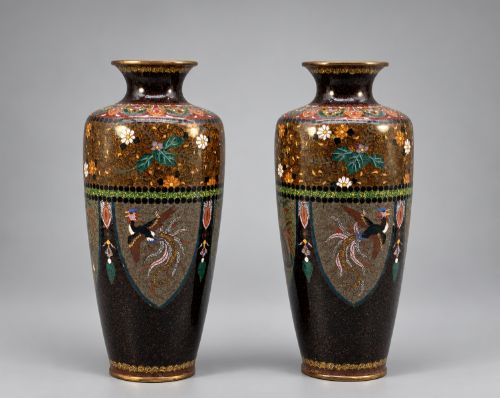
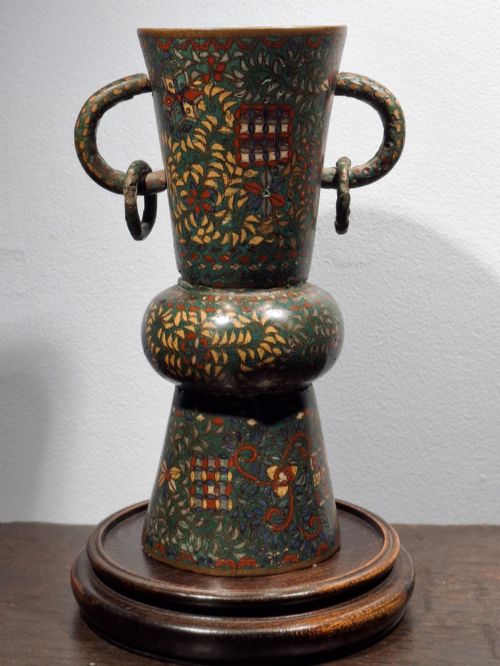
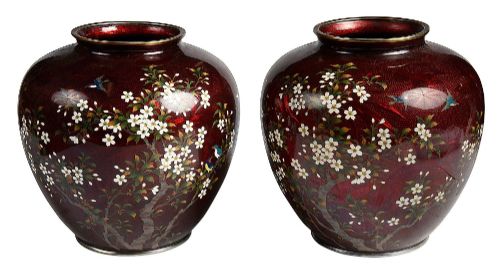
Enamel work frequently complements the metalwork, utilising cloisonne and plique-a-jour methods to suspend colourful glassy designs within fine wire cells. Wood elements occasionally appear as structural components or fitted display bases accompanying the vessels.
Japanese Art Metal Vessel Retail Price Guide 2026
Typical asking prices for japanese art metal vessel among the pieces listed under this phrase on Sellingantiques today, from the lower quarter to the upper quarter. They describe what is for sale here now, not the wider market.
Miniature ritual vases prove that Japanese metalworkers could pack an entire landscape of fine detail into something smaller than a teacup.
Factors that define quality
Quality rests upon the precision of the metal casting and the complexity of the surface ornamentation. Crisp detailing in mixed metal applications and deeply controlled patination distinguish superior examples from standard production.
The intricacy of the enamel work dictates the upper tier of the range, particularly where wires align flawlessly and colour transitions appear seamless. Overall balance in proportion and the preservation of original surface finishes guide the assessment of each piece.
Tamura Yukio
The Japanese Art Metal Vessel Glossary
- Cloisonne enamel
- A decorative technique where thin metal wires are soldered to a metal base to form compartments, which are then filled with enamel paste and fired. This method creates intricate patterns of coloured glass across the vessel surface.
- Patinated metal
- Metal treated with chemicals and heat to produce a stable decorative surface colour rather than relying on paint. Artisans master this process to yield subtle brown, green, and black tones.
- Plique-a-jour
- An enamelling technique resembling stained glass where the enamel is fired without a backing metal, allowing light to shine through the translucent coloured cells. It requires immense skill to prevent cracking during cooling.
- Jardiniere
- A large decorative pot or stand designed to hold growing plants or flowers. These heavy metal pieces often feature prominent cast handles and feet.
- Ginger jar
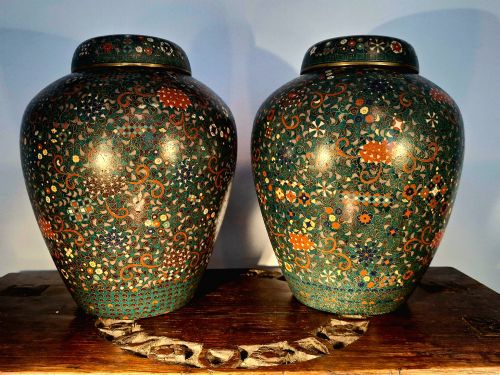
- A ceramic or metal container with a rounded body and high shoulder, originally used for storing spices. Japanese metalwork versions often feature secure lidded designs with elaborate surface decoration.
Japanese Art Metal Vessel: Frequently Asked Questions
How do I date a meiji period bronze?
Dating relies on stylistic clues, manufacturing methods, and historical markers associated with the Meiji reign. Pieces from this time often exhibit elaborate casting and mixed metal decoration.
Comparing the specific patination style and decorative motifs against dated examples helps narrow down the production window.
Where were incense burners used?
Ritual incense burners, or censers, served both practical aromatic purposes and ceremonial functions within Japanese interiors. They often featured detailed pierced lids to allow fragrant smoke to escape.
Owners placed them in domestic living spaces as well as temple settings for auspicious occasions.
How should I clean bronze and cloisonne?
Maintenance requires gentle dusting with a soft, dry cloth to protect fragile patinated surfaces and delicate enamel wires. Avoid chemical polishes and water immersion entirely.
Preserving the original aged finish maintains the historical integrity and visual depth of the metalwork.