









Japanese Arita Plate
These Japanese arita plate examples bring hand-painted porcelain to domestic interiors through centuries of kiln tradition.
Japanese Arita Plate
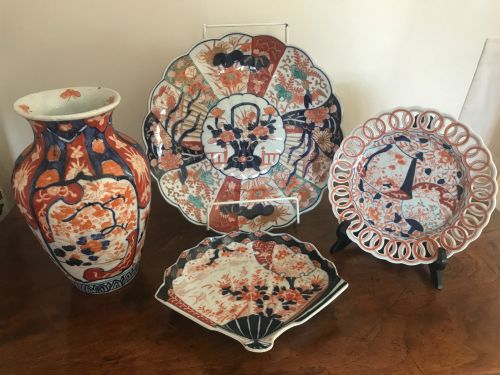
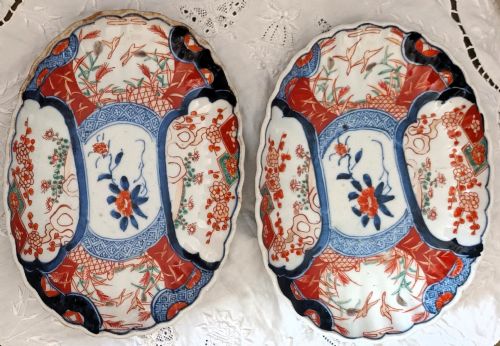
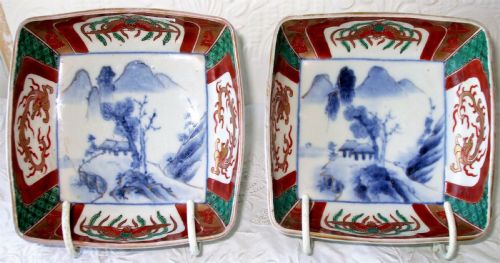
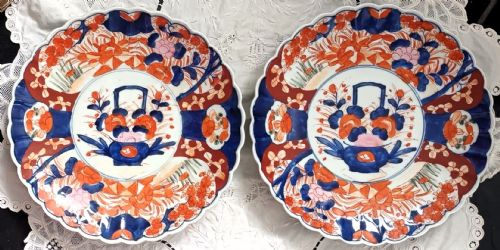
A japanese arita plate spans forms from deep chargers and platters to scalloped, fan-shaped, and hexagonal display pieces. The items originate across the 18th century, the Edo period, the Meiji period, and the 19th century.
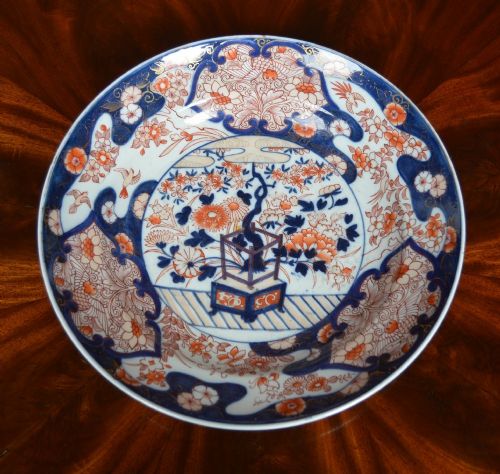
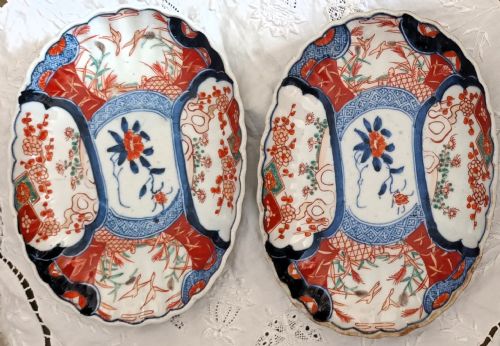
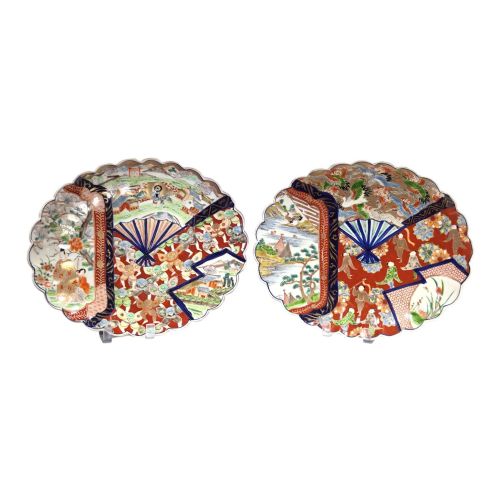
Most pieces encountered here belong to the 19th century and around 1900, often appearing as matched pairs or larger decorative sets. The decorative vocabulary includes exotic birds, cranes, koi carp, and dense floral motifs.
Makers shaped these ceramic objects in porcelain for wall display, table service, and cabinet presentation. The visual language bridges blue and white schemes with the characteristic palette of Imari production.
How they were made
Potters shaped ceramic clay into porcelain bodies before applying cobalt underglaze, enamel, and gold leaf. Kiln workers fired these pieces to achieve durable vitrified surfaces ready for detailed hand-painting.
Artisans layered gilding and enamel over the glaze to build up complex pictorial subjects like birds, fish, and florals. This meticulous hand application defines the surface texture of every piece.
Japanese Arita Plate Retail Price Guide 2026
Typical asking prices for japanese arita plate among the pieces listed under this phrase on Sellingantiques today, from the lower quarter to the upper quarter. They describe what is for sale here now, not the wider market.
Materials recorded across current inventory include cobalt underglaze, gold leaf, enamel, and porcelain.
What varies in quality
Visual distinction rests upon the precision of the hand-painted brushwork and the complexity of the chosen subject, such as koi carp or exotic birds. Uncommon vessel outlines, including fan shapes, hexagonal edges, and clam shell forms, demand greater skill from the potter.
The preservation of the original enamel, gold leaf, and cobalt underglaze determines the overall strength of a piece. Depth in the palette and crispness in the underlying porcelain body separate standard domestic wares from exceptional display items.
The Japanese Arita Plate Glossary
- Imari
- A style of Japanese porcelain decorated in underglaze blue, iron red, and gold. This aesthetic originated in the town of Arita and became immensely popular for export.
- Charger
- A large decorative plate utilised for display rather than for serving food at the table. These substantial pieces show off the most ambitious painted compositions.
- Edo Period
- The period in Japanese history spanning from 1603 to 1868. Ceramics from this era display traditional forms and early export designs.
- Meiji Period
- The era spanning from 1868 to 1912 characterised by expanding international trade. Objects from this time often combine traditional motifs with inventive handling of enamel and gilding.
- Cobalt Underglaze
- A blue pigment applied to the raw ceramic body prior to glazing and firing. This technique produces deep blue lines that remain permanent beneath the glossy surface.
Japanese Arita Plate: Frequently Asked Questions
What is a Japanese Arita plate?
A Japanese arita plate is a porcelain dish produced in the Hizen province around the town of Arita. These items utilise traditional ceramic techniques and hand-painted decoration.
Such objects range from simple blue and white vessels to complex Imari designs featuring enamel and gold leaf.
How were these plates used?
Many large chargers and platters were made for decorative display on walls or within cabinets. Smaller dishes and scalloped plates served functional dining purposes in domestic settings.
Over time, export demand turned these ceramics into prized decorative accessories for Western interiors.
How do I date a Meiji period plate?
Meiji period pieces date between 1868 and 1912, aligning with an era of increased craft production and export. Listings often distinguish these by specific reign dates or broader century markers.
Stylistic elements like dense floral patterns and bird motifs help separate Meiji items from earlier Edo examples.
What distinguishes Imari from standard porcelain?
Imari style porcelain combines underglaze blue with contrasting overglaze red enamel and gold gilt. This palette creates a rich, layered visual effect across the surface of the plate.
Not all Arita pieces follow this scheme, as some rely purely on blue and white cobalt decoration.