


Japanese Metalwork Bowl
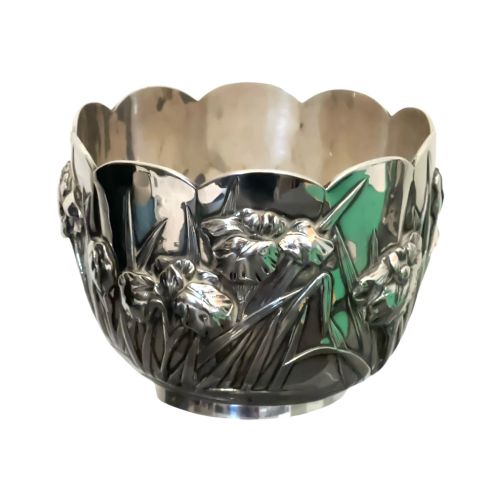
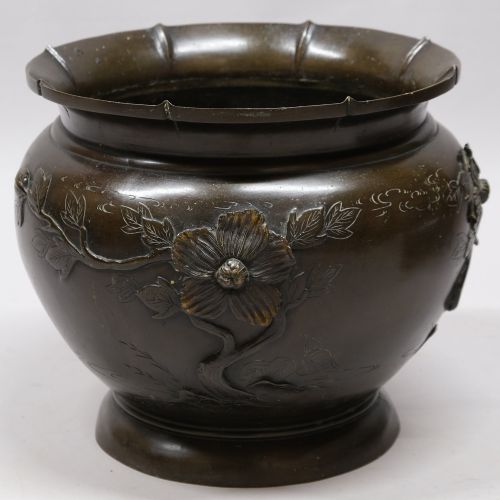
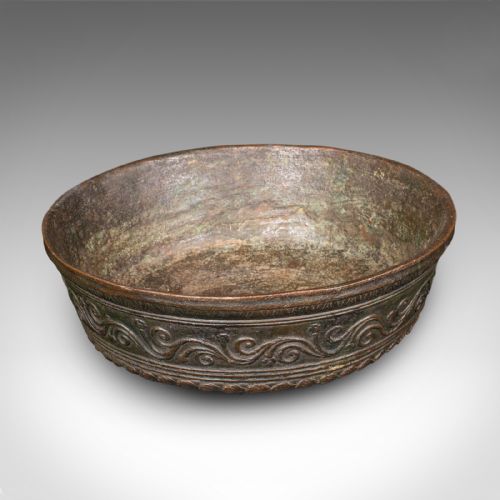
These Japanese antique metalwork bowls bring exceptional bronze, copper, and cloisonne enamel forms to a room.
Japanese Metalwork Bowl
A japanese antique metalwork bowl encompasses decorative vessels, chargers, jardinieres, and incense burners created across the Edo and Meiji periods. Buyers seeking these pieces generally encounter bronze and cloisonne enamel examples dating from the nineteenth century.
The selection ranges from large planters and heavy bronze bowls to delicate lidded vessels decorated with dragons, birds, and peonies. Most available pieces originate from the Meiji period, while earlier Edo examples appear alongside Victorian and Georgian contextual datings.
Materials and Techniques
Metalworkers utilised bronze, copper, and brass as the foundational structure for cast and patinated vessels. Skilled artisans shaped these metals into heavy bowls, jardiniere planters, and censers using traditional casting and forming methods.
Cloisonne enamel pieces incorporate fine brass wire soldered to metal bodies to create cells that hold coloured enamel pastes. Firing and polishing these surfaces produced vibrant decorative chargers and bowls featuring intricate bird and dragon motifs.
Listings feature items from the 18th century, 19th century, Edo period, and Meiji period.
Factors of Quality
The definition of the casting and the crispness of the surface chisel work distinguish finer metalwork. Heavier bronze vessels demonstrate superior weight and structural balance, particularly in larger jardinieres and planters.
Enamel quality depends on the precision of the wirework and the depth of the colour within the cells. Examples featuring complex motifs like dragons or detailed bird scenes require greater technical mastery than simpler designs.
The Japanese Metalwork Bowl Glossary
- Cloisonne enamel
- A technique where wire is soldered to a metal base to form cells filled with enamel paste. This method creates detailed colourful patterns across bowls and chargers.
- Jardiniere
- A large ornamental pot or bowl designed to hold plants or flowers. These heavy metal pieces often feature cast decoration.
- Patinated bronze
- Bronze that has been treated to produce a specific surface colour and finish. The process enhances the visual depth of the metal.
- Censer
- A vessel intended for burning incense during traditional ceremonies. These lidded or open bowls frequently incorporate ritual animal motifs.
- Charger
- A large decorative plate or broad bowl meant for display rather than utility. These large pieces often display complex pictorial themes.
Japanese Metalwork Bowl: Frequently Asked Questions
How old are these bowls?
The pieces span multiple periods, with many originating in the nineteenth-century Meiji era. Earlier examples date back to the Edo period.
Dating relies on stylistic markers, materials, and documented manufacturing techniques associated with these historical eras.
What metals were used?
Artisans worked primarily in bronze, copper, and brass to form the structural bodies of these vessels. Patinated finishes were frequently applied to the bronze surfaces.
Enamel decoration over copper or brass bodies also appears extensively, often utilising fine wire grids.
How do I identify Edo period pieces?
Edo period metalwork often exhibits archaic bowl forms and specific patination styles distinct from later Meiji production. Construction methods and design motifs align with eighteenth-century Japanese traditions.
Consulting the specific materials and stylistic evidence helps separate these earlier vessels from nineteenth-century work.