




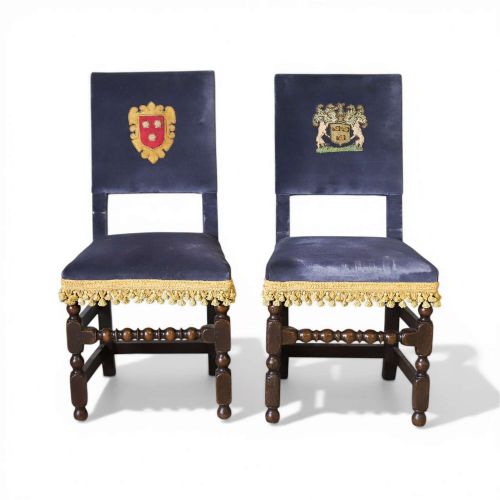
Jacobean Style Oak Seating
Jacobean style oak seating brings substantial presence and dark timber character to an interior.
Jacobean Style Oak Seating
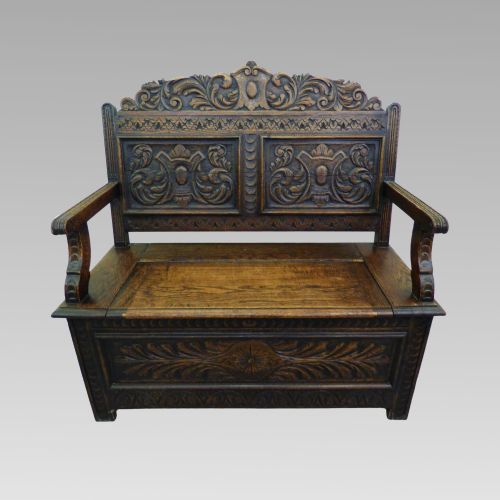
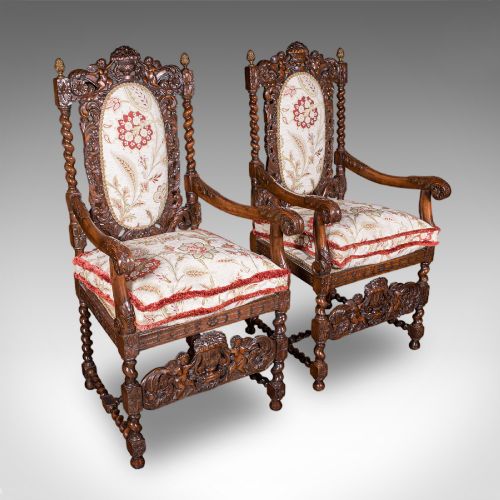
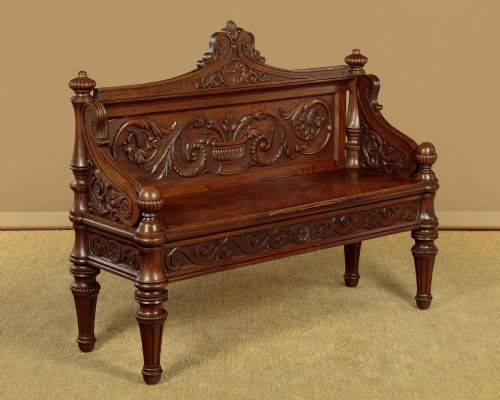
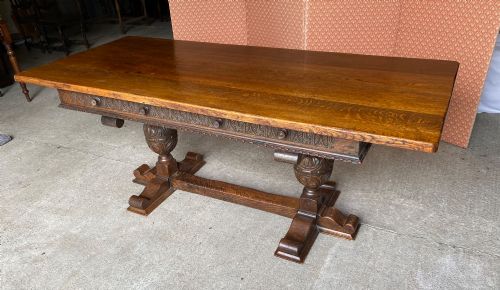
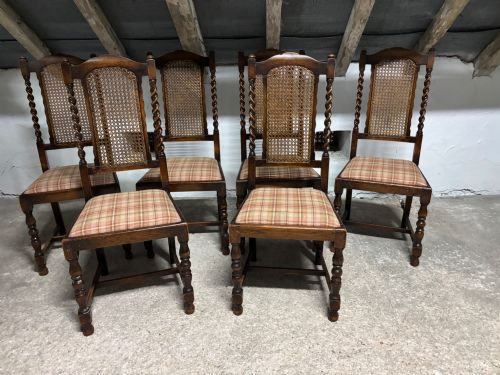
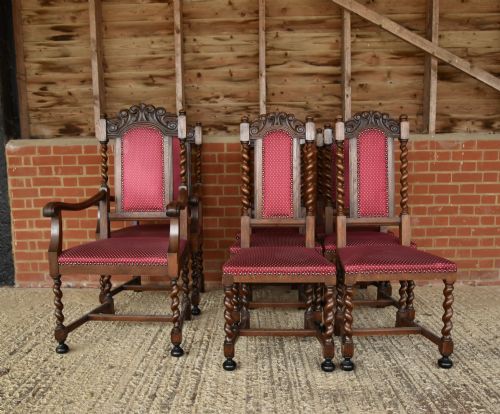
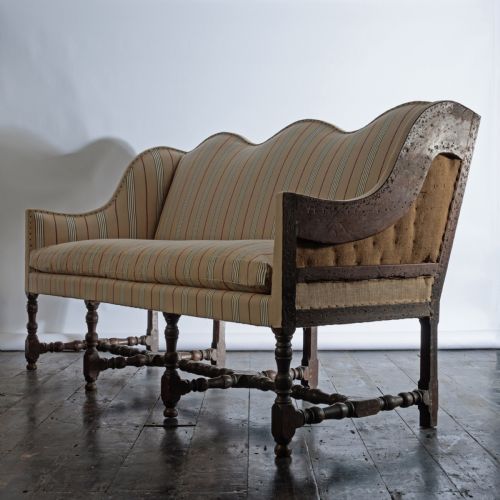
Jacobean style oak seating encompasses substantial dining chairs, armchairs, joint stools, settles and hall benches rooted in seventeenth-century English design. Buyers seeking these pieces encounter items spanning genuine seventeenth-century examples alongside Victorian revivals and twentieth-century interpretations from the nineteen-twenties and thirties.
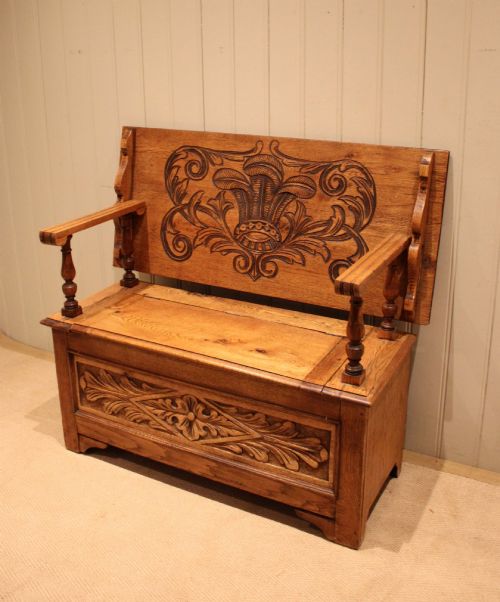
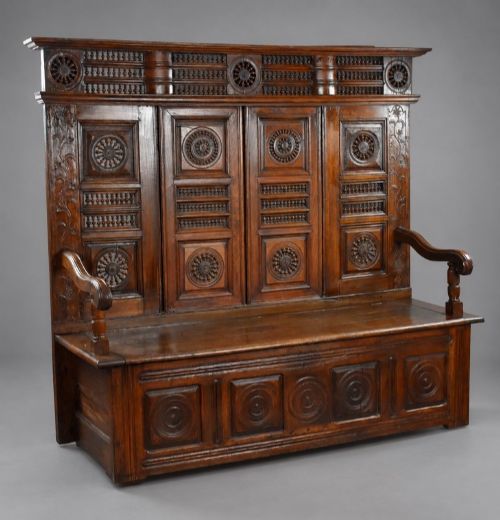
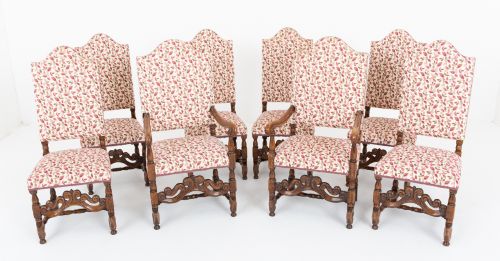
The common form on this page is the dining chair or set of dining chairs, often carved with traditional motifs and executed in solid timber. Alongside chairs, functional hall benches, monks benches and tall-backed settles appear frequently, reflecting domestic storage needs and heavy seating forms.
Origins stretch from seventeenth-century workshops through nineteenth-century Victorian Gothic revivals up to twentieth-century revival pieces produced in nineteen-ten, nineteen-twenty and nineteen-thirty. This broad chronological span means buyers choose between genuine period survivors and later revival craftsmanship emulating the same heavy aesthetic.
Quality and craftsmanship
Quality rests upon the depth and crispness of the carving, the selection of figured timber, and the integrity of the structural joinery. Pieces with fluid, deeply undercut ornamentation and well-matched grain show superior execution compared to mechanical or shallow work.
The cohesion of matched sets and the fidelity to historical proportions further separate standard examples from finer commissions. Heavy timber scantlings and proportional balance dictate whether a piece maintains visual authority.
Jacobean Style Oak Seating Retail Price Guide 2026
Typical asking prices for jacobean style oak seating among the pieces listed under this phrase on Sellingantiques today, from the lower quarter to the upper quarter. They describe what is for sale here now, not the wider market.
Listings span from the seventeenth century through Victorian revivals up to nineteen-thirty, utilising oak alongside cane, leather, and velvet.
The Jacobean Style Oak Seating Glossary
- Joint stool
- A low wooden stool constructed with mortise and tenon joints using pegs rather than glue. These sturdy items served multiple domestic purposes from seating to small tables.
- Settle
- A high-backed wooden bench with solid arms and an enclosed base often forming a storage box. They were placed near hearths to block drafts in large rooms.
- Wainscot chair
- An early wooden armchair characterised by a panelled backrest and solid wooden seat. They derive their name from wainscot oak imported for fine wall panelling.
- Derbyshire chair
- A regional seventeenth-century chair type featuring an open carved back and turned supports. They display lighter framing than heavy wainscot models.
- Barley twist
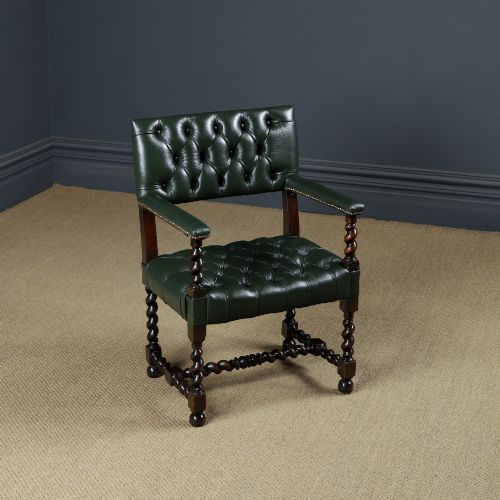
- A decorative turning technique resembling a spiralling rope carved into furniture legs and stretchers. This motif gained widespread popularity during revival periods.
Jacobean Style Oak Seating: Frequently Asked Questions
What is a monks bench?
A monks bench is a multifunctional hallway seat featuring a hinged back that tilts forward to form a small table top. Beneath the seat, a box compartment provides storage for household items.
These pieces suit entrance halls and smaller rooms where dual-purpose furniture maximises available space.
How do I date oak furniture?
Dating oak furniture requires examining tool marks, construction methods, and timber patination. Hand-cut peg joints, irregular grain patterns, and surface wear accumulated over centuries point toward genuine early periods.
Revival pieces from the nineteenth and twentieth centuries often display machine sawing signs, standardised components, and fresher timber colour despite mimicking older styles.
Where should I place a settle?
A tall-backed settle functions effectively in hallways, entrance lobbies, or against long dining room walls. Their high wooden panels provide a visual anchor and block cold drafts in open spaces.
Pairing a settle with a plain wooden table creates a traditional dining arrangement reminiscent of period tavern interiors.
Are Jacobean style chairs comfortable?
Early wooden chairs and joint stools prioritize structural firmness over soft cushioning, offering upright support rather than deep lounging. Many examples rely on solid timber contours or simple cushions.
Models featuring upholstered leather, velvet pads, or woven cane inserts provide slightly more give while maintaining their historical aesthetic.