


Jacobean Moulding Chest
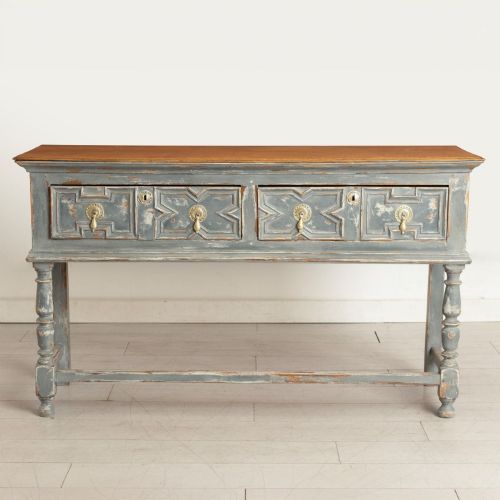
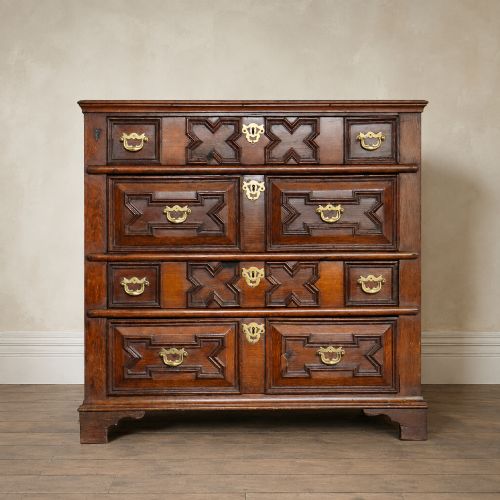
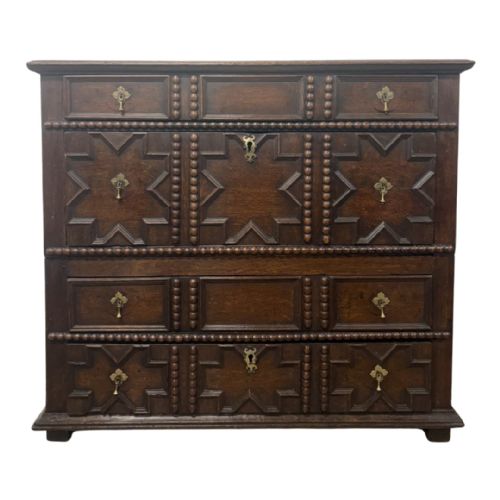
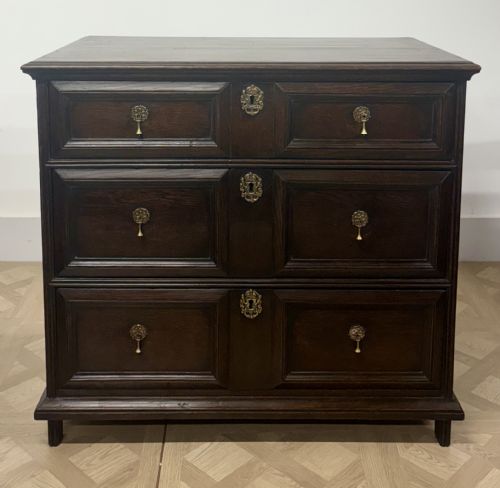
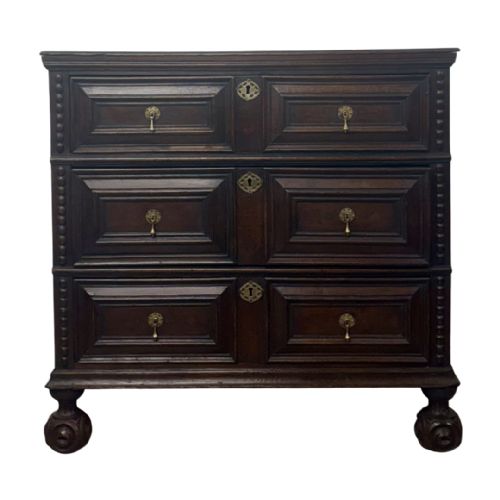
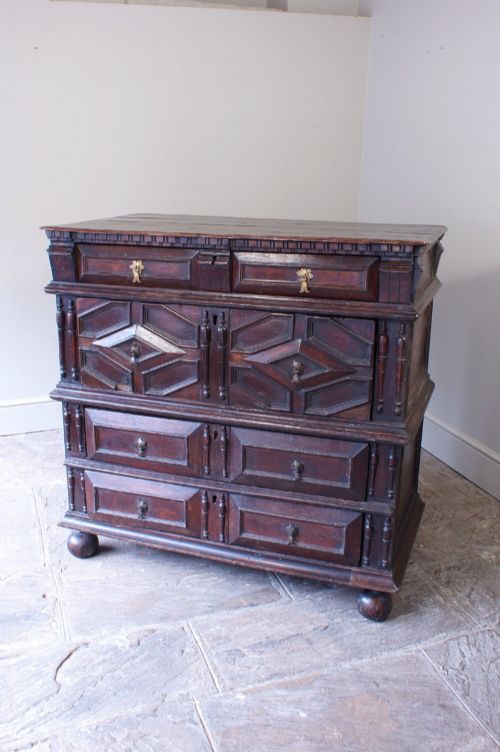
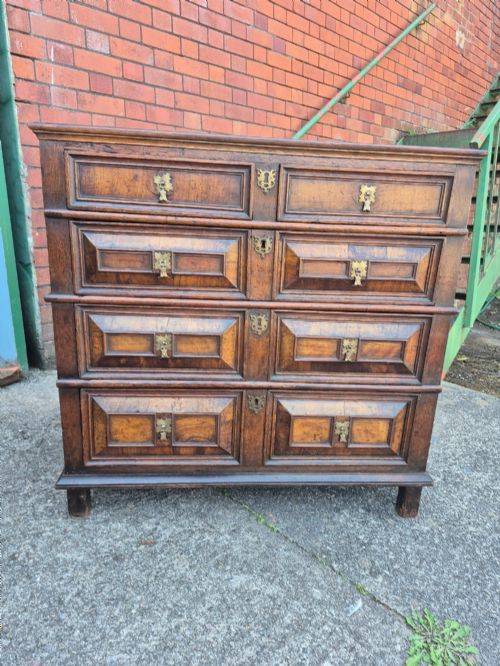
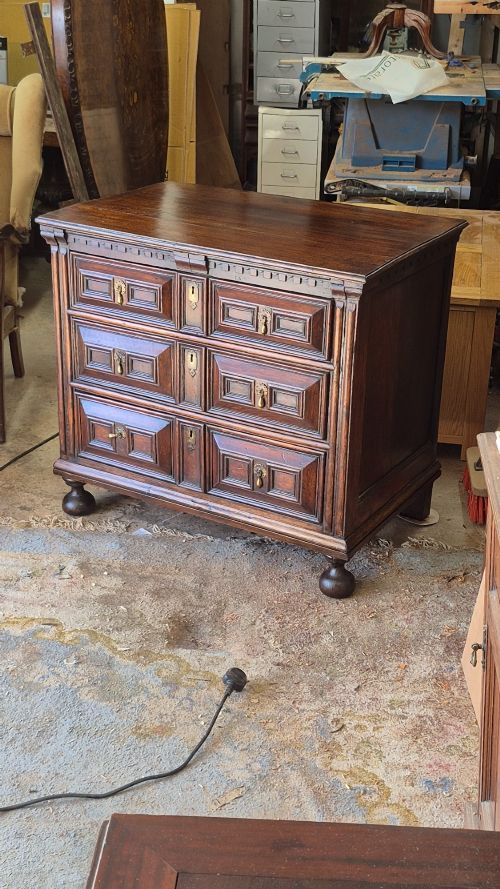
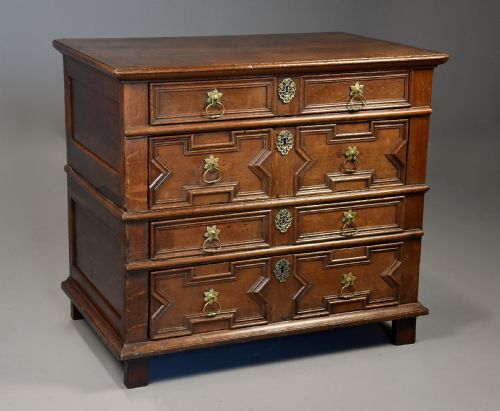
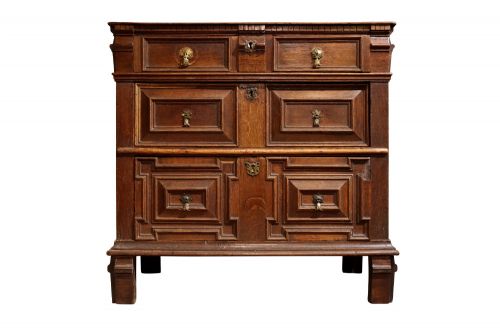
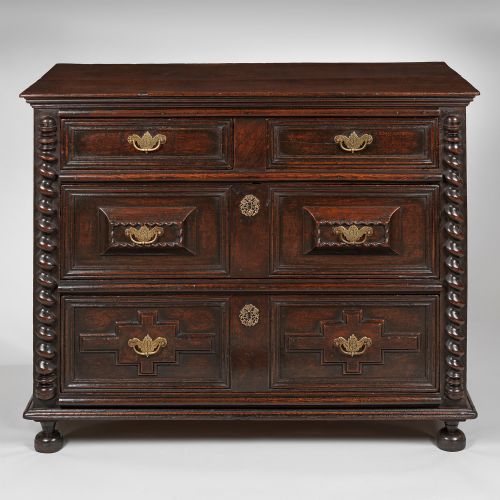
These jacobean moulding chest pieces are sturdy early timber storage forms defined by geometric drawer fronts that anchor a room with heavy period presence.
Jacobean Moulding Chest
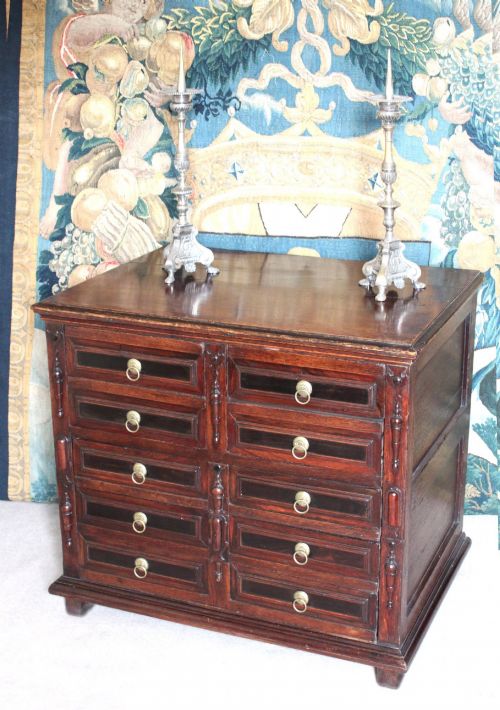
A jacobean moulding chest is a substantial storage piece primarily dating from the seventeenth century, including Charles II and Carolean eras, though later Georgian and revival periods also appear. The form typically manifests as a chest of drawers or two-part chest, featuring disciplined geometric arrangements across the facade. While authentic seventeenth-century examples dominate, buyers will also encounter pieces incorporating later timber or elements adapted over time.
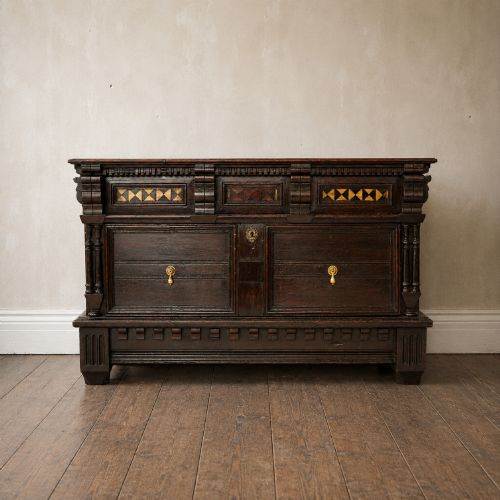
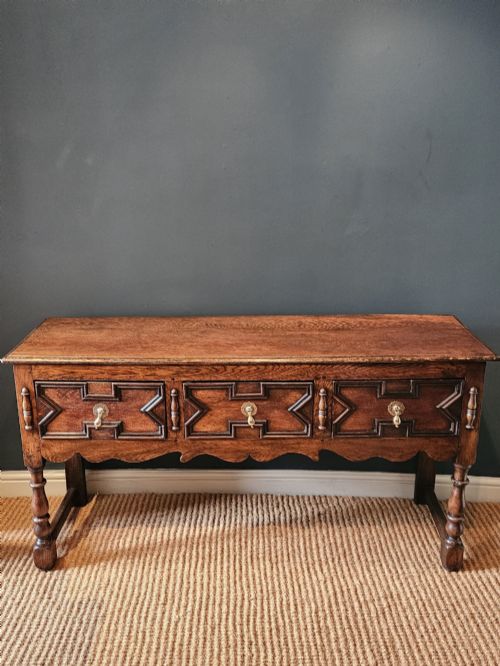
Beyond standard drawer units, the category stretches to encompass related forms like dresser bases, small cupboards, and occasional inlaid or veneered variations. These pieces serve as functional storage while displaying the distinct architectural joinery favoured in early English cabinet making. The proportions remain heavy and grounded, designed to hold linen or possessions in grand houses and modest dwellings alike.
How they were made
Construction relies heavily on native oak, framed with pegged joints and panelled backs, whilst secondary timbers such as walnut, fruitwood, and snakewood provide decorative contrast. Makers built these storage units in sections, often producing two-part chests designed for easier transport up stairwells. The signature geometric patterns on the drawer fronts utilised applied mouldings, sometimes arranged in octagons, rectangles, or mitred strapwork.
Surface ornamentation involved more than just timber manipulation; cabinet makers applied oyster veneers and wood inlay to create varied textures across the facade. Iron and brass hardware, including drop handles and escutcheons, secured the drawers and added metallic accents to the dark wood. Finishing touches relied on natural wax and polish, allowing the grain of the oak and walnut to mature into a deep patina.
What varies in quality
The sophistication of the applied geometric mouldings separates standard regional work from superior London craftsmanship. Crisp mitres, intricate strapwork, and the clever deployment of contrasting woods like walnut or fruitwood elevate a piece above simpler linear designs. Preservation of the original timber framing without excessive replacement of boards dictates the historical integrity of the item.
The presence of original brass hardware and untouched surface patination heavily influences the overall appeal of a chest. Pieces that retain their early two-part configuration and uncompromised drawer linings demonstrate greater fidelity to their original seventeenth-century construction.
The Jacobean Moulding Chest Glossary
- Oyster veneer
- Slices cut transversely from small branches or roots to create circular or elliptical patterns in the wood grain. This technique was popular in the late seventeenth century for decorative drawer fronts.
- Applied moulding
- Strips of shaped timber glued and pinned onto a flat panel or drawer front to create geometric designs. These raised patterns define the classic aesthetic of the period.
- Two-part chest
- A storage unit constructed in two separate stacking sections, top and bottom, to facilitate movement. This format was common for large chests of drawers before the eighteenth century.
- Dresser base
- A low wooden sideboard fitted with drawers, sometimes sharing the geometric moulding and oak construction typical of contemporary drawer chests.
- Carolean
- Pertaining to the reign of King Charles II, a period spanning the mid to late seventeenth century noted for rich oak furniture and baroque influences.
Jacobean Moulding Chest: Frequently Asked Questions
How do I spot a true seventeenth-century chest?
Authentic pieces generally display pegged oak frame construction, hand-cut dovetails, and timber shrinkage consistent with centuries of age. Look for traditional tool marks on the drawer boards and back panels.
Examine the construction methods used for the applied mouldings and drawer linings. Later revivals often betray their twentieth-century origin through machine-cut timber or inconsistent wear patterns.
Were these chests always used in bedrooms?
These robust storage units served multiple domestic functions across the home, holding linens, clothes, and household valuables in reception rooms as well as sleeping quarters. Their heavy construction suited high-traffic areas of early households.
Because closets were uncommon in early domestic architecture, these freestanding chests provided the primary wardrobe space for the family's possessions.
How should I care for old oak timber?
Keep these pieces away from direct heat sources and sudden humidity shifts to prevent the oak and walnut veneers from warping or splitting. Maintaining a stable indoor climate preserves the structural integrity of the pegged joints.
Apply a microcrystalline wax sparingly to nourish the dry wood and protect the aged surface patination. Avoid modern silicone polishes that can degrade the historic finish.
What does geometric moulding indicate?
The complex raised patterns on the drawer fronts reflect the influence of continental joinery techniques imported during the seventeenth century. These designs turned flat surfaces into architectural relief sculptures.
Master cabinet makers used these patterns to showcase their skill with mitres and contrasting woods like fruitwood and walnut against a primary oak background.