



Ivory and Gilt Ceramics
Ivory and gilt ceramics bring together soft tinted porcelain and bright metallic leaf, offering tactile nineteenth and early twentieth century ornamental wares.
Ivory and Gilt Ceramics
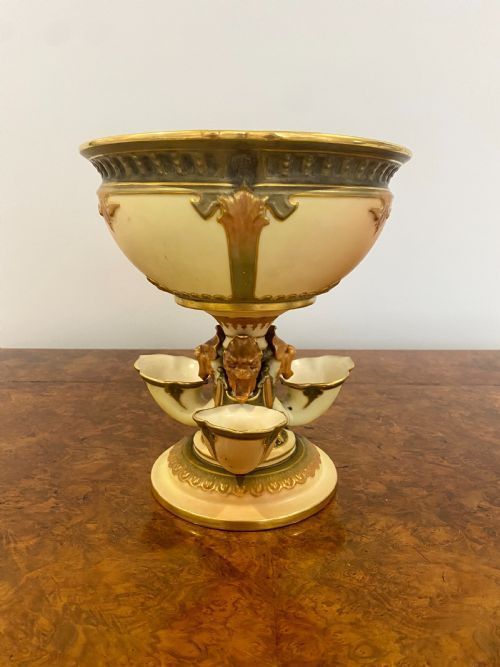
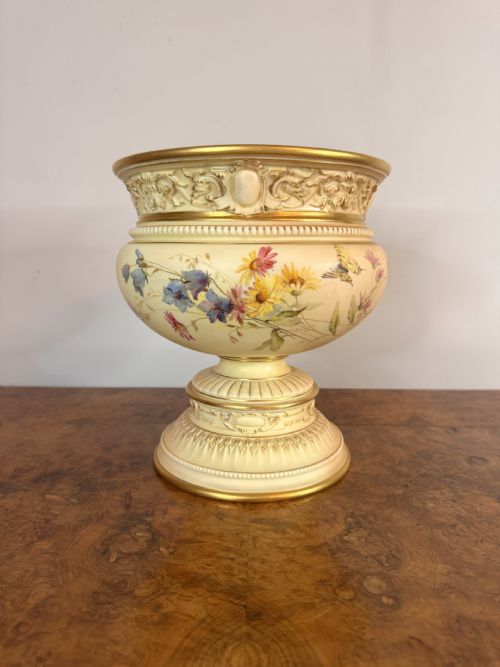
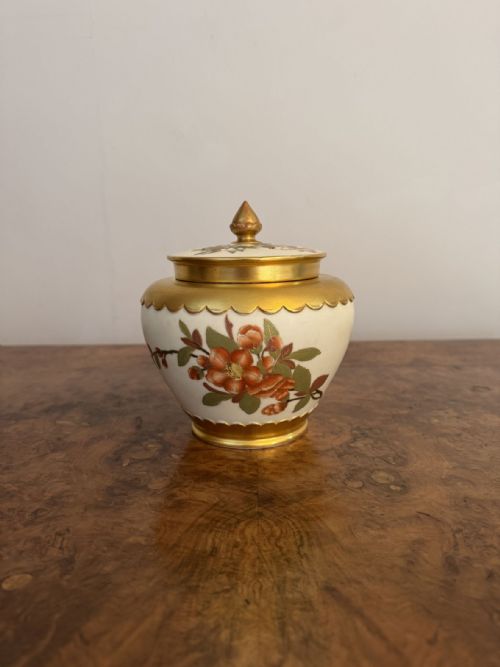
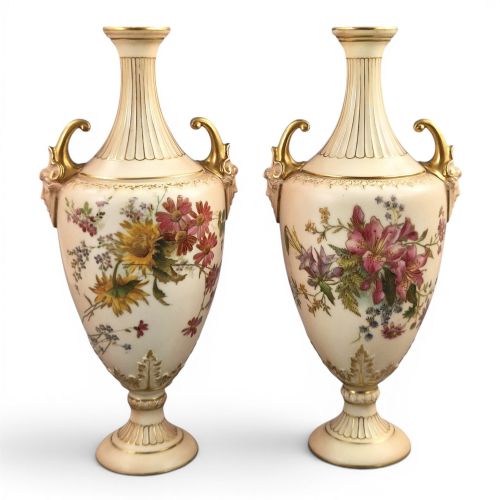
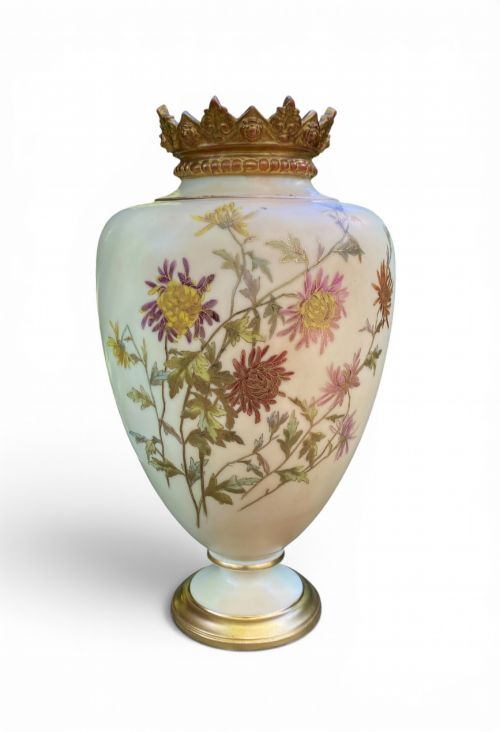
Ivory and gilt ceramics encompass Victorian and Edwardian decorative vessels, tea services, and figurines produced primarily during the late nineteenth and early twentieth centuries. These pieces display soft cream coloured surfaces paired with metallic highlights, ranging from modest floral dishes to large jardiniere and ewers.
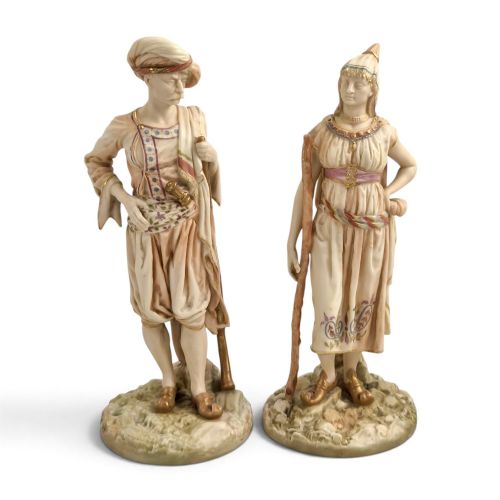
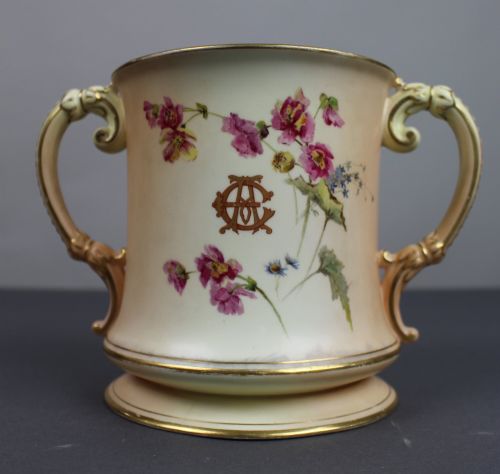
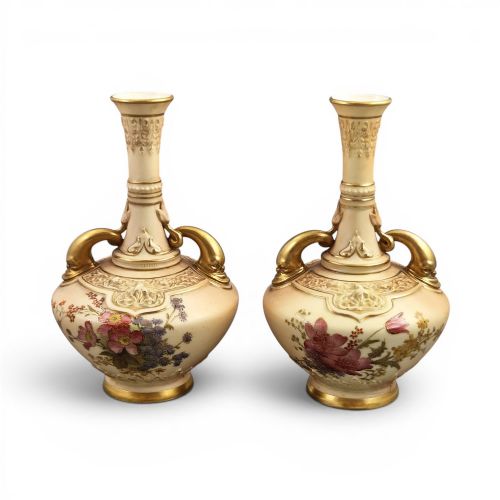
Vases and blush ivory wares dominate the selections, alongside serving trays, loving cups, and potpourri pots. Makers utilise porcelain and earthenware bodies, often shaping them with handled profiles, pierced details, and sculptural motifs such as dolphins or water carriers.
Most examples originate from the Victorian and Edwardian eras, spanning decades from eighteen seventy through to the nineteen twenties. Collectors find both cabinet pieces and functional tea trios, all sharing the characteristic pale ground and gilded ornamentation.
Materials and production
Potters shape fine porcelain and earthenware into vessels, jugs, and figurines before applying specialised coloured grounds. The signature blush ivory effect relies on tinted ceramic bodies that produce a soft, matt, warm tone reminiscent of ivory.
Artisans apply gold leaf and gilding by hand to accentuate handles, rims, and moulded details, frequently combining this metallic work with hand-painted enamel floral sprays. Skilled decorators also execute pierced work on handles and necks, while specialised artists paint delicate botanical or figurative scenes directly onto the ceramic surface.
Ivory and Gilt Ceramics Retail Price Guide 2026
Typical asking prices for ivory and gilt ceramics among the pieces listed under this phrase on Sellingantiques today, from the lower quarter to the upper quarter. They describe what is for sale here now, not the wider market.
Some Victorian households relied on ceramic candle extinguishers shaped like Victorian gossips to put out the evening lights.
The spectrum of quality
Quality rests in the precision of the hand-painted decoration, where named artists and detailed floral or figurative rendering separate standard items from superior works. Crisp moulding on handles, feet, and pierced elements distinguishes better shaped vessels.
The application and preservation of the gilding dictate visual success, with thick gold leaf retaining a brighter presence than worn washes. Intricate forms, such as figures with amphorae or elaborate ewers, demand higher technical skill from the potter than simple dishes.
Royal Worcester·Carlton Ware·Doulton Burslem·Kerr and Binns
The Ivory and Gilt Ceramics Glossary
- Blush ivory
- A soft, matt, cream coloured ceramic ground developed during the Victorian period to mimic the tone of natural ivory. It serves as a subtle background for hand-painted floral sprays and gilded borders.
- Gilding
- The application of gold leaf or gold powder to ceramic surfaces to highlight rims, handles, and moulded details. This metallic embellishment adds contrast to the pale porcelain body.
- Jardiniere
- A large decorative ceramic pot designed to hold plants or floral arrangements. These vessels often feature substantial handles and ornate painted decoration.
- Potpourri pot
- A lidded vessel constructed to contain dried scented plant materials, releasing fragrance through pierced openings. These containers frequently incorporate elaborate handles and painted floral motifs.
- Tea trio
- A matching set comprising a teacup, saucer, and matching serving plate for pastries. These sets often display coordinated gilt edging and hand-painted botanical designs.
Ivory and Gilt Ceramics: Frequently Asked Questions
How do I care for gilt ceramics?
Wash these delicate objects by hand using warm water and mild soap, avoiding abrasive sponges that damage fragile gold leaf and enamel decorations. Pat them dry gently with a soft cloth rather than leaving them to air dry.
Keep the items away from direct sunlight and damp environments to protect the painted surfaces and prevent wear to the metallic gilding over time.
How can I date these pieces?
Examine the base for manufacturer marks, registration numbers, and date ciphers that identify the specific year of production. Stylistic clues such as Aesthetic Movement motifs or Edwardian shapes also help narrow down the decade.
Written inscriptions, artist signatures, and pattern numbers provide further chronological markers. Comparing these details against known factory production periods confirms the age of the ceramic.
Were these ceramics used daily?
Many items, such as tea trios, coffee pots, and serving trays, served practical functions during formal dining and afternoon tea gatherings. Owners utilised them regularly within affluent nineteenth century households.
Other forms, including cabinet vases, potpourri pots, and decorative dishes, remained primarily ornamental. These pieces sat on mantelpieces and tables to display wealth and taste.