






Italianate Framed Art
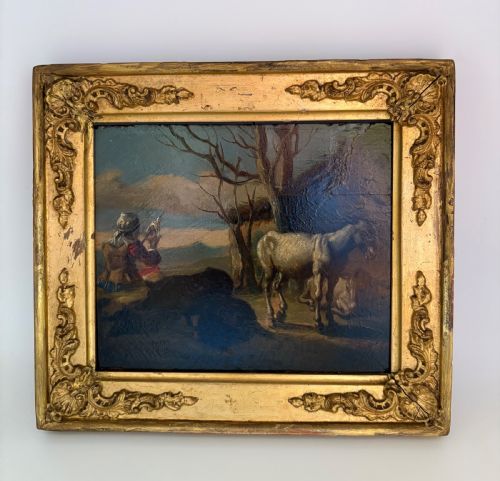
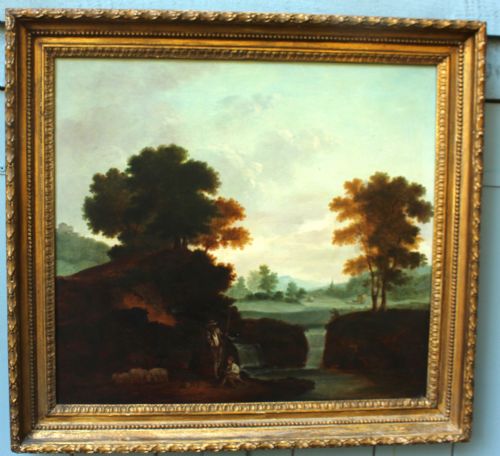
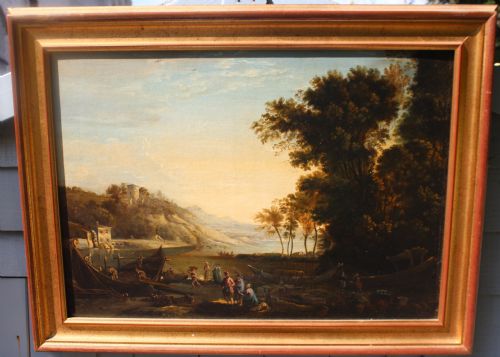
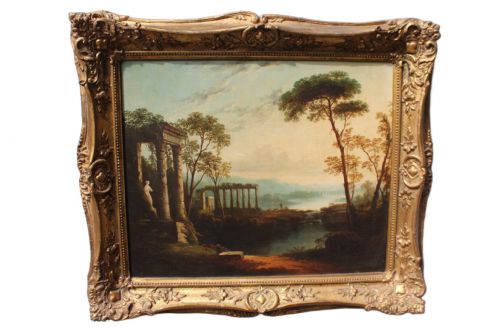
Italianate framed art captures sun-drenched classical landscapes and pastoral vistas, offering a timeless window into Mediterranean antiquity for any wall.
Italianate Framed Art
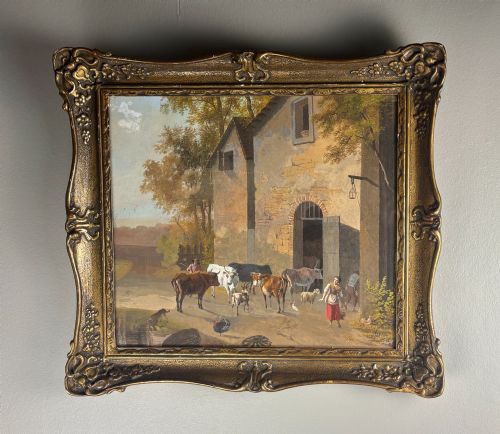
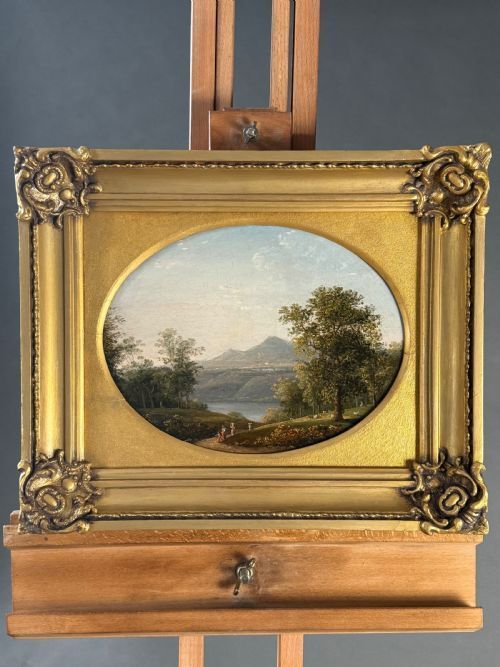
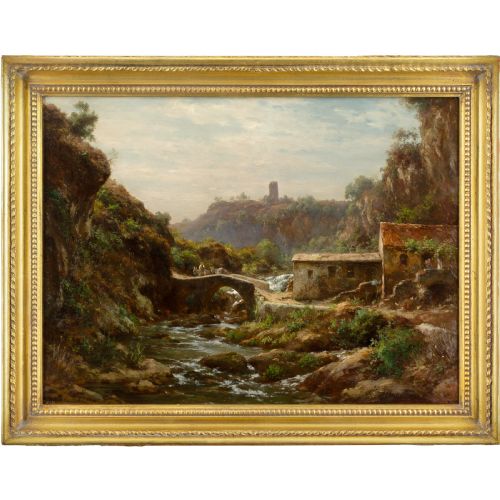
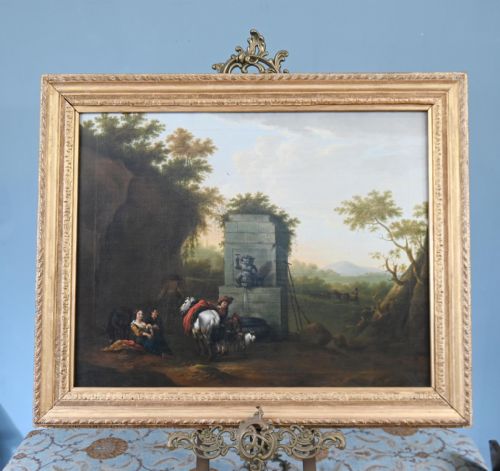
Italianate framed art encompasses oil paintings, watercolours, tapestries and prints depicting classical pastoral scenes, distant villas and ruins. These works draw heavily on the aesthetic traditions of the seventeenth and eighteenth centuries, reflecting enduring artistic fascination with the Italian countryside.
Buyers encountering this selection will frequently find nineteenth-century watercolours, eighteenth-century grand tour landscapes and vintage textured prints. Many pieces adopt the classical manner of Claude Lorrain or portray pastoral figures gathered near ancient riverbanks and architectural remains.
The physical presentation is integral to these pieces, typically involving substantial wooden frames finished in gold leaf or giltwood. Such ornate surrounds elevate the visual impact of the artwork, anchoring the romantic subject matter within a defined historical aesthetic.
Materials and construction
The physical works are realised primarily through oil paint on canvas or oak panel, alongside watercolour on paper and woven tapestry. Artists utilised fine pigments to render atmospheric skies and verdant foliage, frequently applying oil glazes to achieve luminous depth in landscape vistas.
Surrounding enclosures rely upon carved wood and gesso substrates finished with delicate layers of gold leaf or giltwood. These frames were constructed by specialist artisans to complement the tonal warmth and classical harmony of the artwork contained within.
Italianate Framed Art Retail Price Guide 2026
Typical asking prices for italianate framed art among the pieces listed under this phrase on Sellingantiques today, from the lower quarter to the upper quarter. They describe what is for sale here now, not the wider market.
Bath-loving nudes occasionally populate seventeenth-century riverbanks, proving that even classical nymphs enjoyed a dip when nobody was watching.
Distinctions in quality
Superior examples demonstrate confident brushwork, sophisticated handling of light and atmospheric perspective that successfully evokes classical antiquity. Lesser works often rely on formulaic composition and rigid draughtsmanship without capturing the characteristic luminosity of the genre.
The craftsmanship of the accompanying frame provides another indicator of standard, where hand-carved detailing and well-preserved gilding distinguish finer pieces. Original or period-appropriate frames enhance the integrity of the ensemble far beyond later replacement mouldings.
Jacob Philipp Hackert·Cornelis Van Poelenburgh·Philipp Peter Roos·Richard Wilson·William Crouch·Thomas Jones
The Italianate Framed Art Glossary
- Giltwood
- Wood that has been coated with a thin layer of gold leaf or powder. This finish provides a warm, reflective border that complements classical landscape paintings.
- Grand Tour
- A cultural journey of Europe undertaken by wealthy young men in the eighteenth and nineteenth centuries. Travellers frequently acquired local art to commemorate their experiences abroad.
- Oil on Oak Panel
- A painting execution where pigments are applied directly to a prepared wooden board rather than canvas. This stable support was favoured during earlier centuries for smaller cabinet works.
- Pastoral Landscape
- An artistic genre depicting an idealized, rural scene with shepherds, livestock and classical ruins. These compositions evoke a peaceful and harmonious view of country life.
- Neoclassical
- A Western cultural movement drawing inspiration from the classical art and culture of ancient Greece and Rome. The style prioritises symmetry, restraint and noble simplicity.
Italianate Framed Art: Frequently Asked Questions
How do I date an antique frame?
Dating a frame involves examining the construction joints, the composition of the gesso and the method applied to lay the gold leaf. Hand-carved wooden mouldings generally indicate earlier periods, whereas cast plaster ornamentation became more common in later manufacturing.
Original framing often shows consistent wear and patina that matches the age of the artwork it encloses.
Where were these artworks displayed?
Historically, these framed pieces hung within the formal reception rooms and galleries of country houses and urban townhouses. They served to demonstrate the owner's classical education and engagement with continental artistic traditions.
Today, they function effectively in domestic interiors as focal points above mantelpieces or within traditional study spaces.
What is a grand tour painting?
A grand tour painting is a visual record or souvenir acquired by travellers journeying through Italy during the eighteenth and nineteenth centuries. These works usually depicted famous ruins, local vistas and picturesque rural life.
Commissioned or purchased abroad, they allowed collectors to bring home tangible memories of classical antiquity and foreign travel.