



Italian Wooden Buffet
These Italian wooden buffet pieces are substantial storage furniture defined by regional craftsmanship and rich timber, offering both historical depth and practical presence for the home.
Italian Wooden Buffet
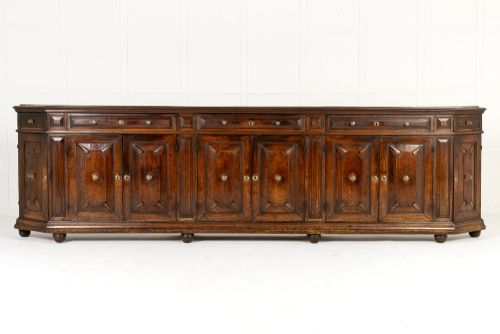
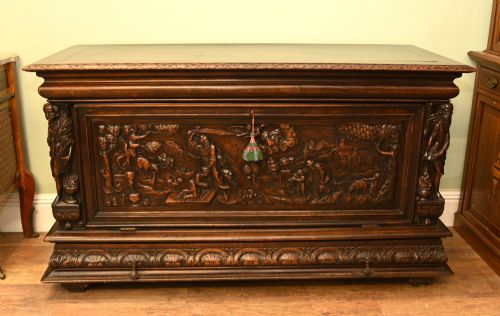
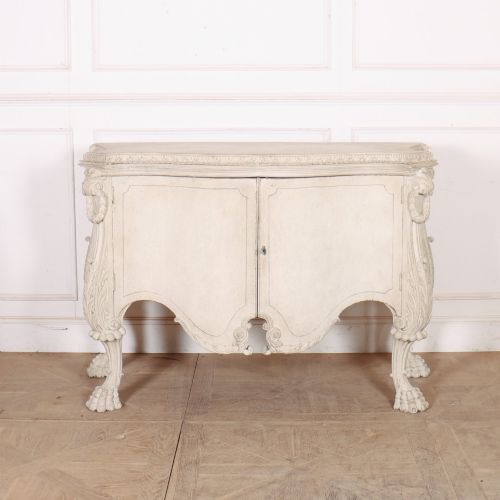
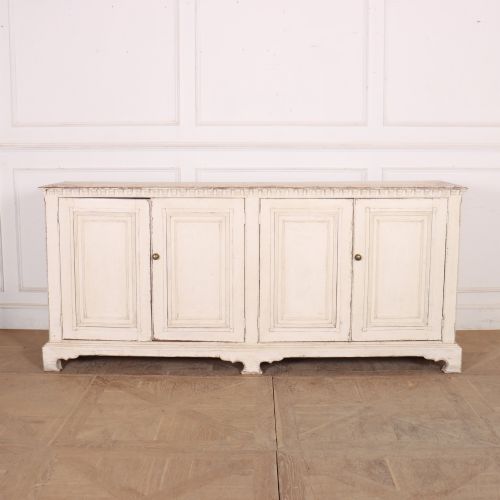
An Italian wooden buffet encompasses a variety of substantial storage forms ranging from monumental credenzas and enfilades to carved walnut trunks, sideboards, and commodes. When exploring these listings, buyers most frequently encounter walnut and cherrywood examples originating from the eighteenth and nineteenth centuries.
The stylistic repertoire spans from rustic provincial pieces and Italian country forms to ornate Renaissance Revival, Baroque, and Rococo designs. These furnishings served primarily for dining room storage and display, carrying the distinct aesthetic traditions of Italian cabinet-making across multiple periods.
Alongside traditional sideboards and cabinets, the selection includes related forms such as coffers, side cabinets, and cabinets on stands that share the same heavy timber construction and regional decorative vocabulary. Each piece reflects the functional requirements of its era, combining deep enclosed storage with surface display space.
How they were made
Makers constructed these pieces predominantly from solid hardwoods such as walnut and cherrywood, valued for their durability and grain. Timber preparation involved traditional seasoning to prevent warping in large structural elements like credenzas and enfilades.
Carving and surface treatment form the core of the technique, utilising chisels and gouges to create relief patterns, figural details, and architectural mouldings directly into the wood. Where painted decoration or giltwood appears, artisans applied oil paint and gesso grounds over timber substrates to achieve rich polychrome or metallic finishes.
Italian Wooden Buffet Retail Price Guide 2026
Typical asking prices for italian wooden buffet among the pieces listed under this phrase on Sellingantiques today, from the lower quarter to the upper quarter. They describe what is for sale here now, not the wider market.
One extraordinary nineteenth-century fantasy buffet includes sculptural wood figures by Valentino Panciera Bessarel, proving that Italian cabinet-makers took storytelling very seriously.
What varies in quality
The standard of a piece rests upon the ambition of the carving and the fidelity of its period style, whether expressing the sweeping curves of Italian Rococo or the geometric rigour of the Renaissance. Master carvers achieved depth and fluidity in foliage and figures that lesser workshops merely sketched out in shallow relief.
Selection of the timber itself dictates much of the physical character, with figured walnut and dense cherrywood providing superior grain continuity across large doors and panels. Structural integrity in the joints and the preservation of original painted or polished surfaces further distinguish exceptional examples from standard provincial work.
The Italian Wooden Buffet Glossary
- Credenza
- A large storage cabinet originating in Italy, traditionally used for holding food and displaying silverware. These pieces often feature heavy lower cupboards and extended top surfaces.
- Enfilade
- A long suite of rooms or, in furniture terms, a continuous line of cabinets or sideboards with multiple matching doors. This form provides expansive storage across a single long facade.
- Commode
- A low chest of drawers or cabinet on legs, developed in the seventeenth century and widely adopted in Italian cabinet-making. It combines decorative presence with accessible drawer storage.
- Coffer
- A heavy wooden chest with a hinged lid, used primarily for storing textiles and valuables before dedicated wardrobes became common. Many examples double as benches or foundational trunk bases.
- Giltwood
- Timber that has been coated with a thin layer of gold leaf or gold paint over a prepared gesso ground. This technique highlights carved architectural details and mouldings.
Italian Wooden Buffet: Frequently Asked Questions
What is an Italian wooden buffet?
An Italian wooden buffet is a heavy storage piece, such as a sideboard, credenza, or enfilade, built from timbers like walnut and cherrywood.
These pieces were traditionally used in dining rooms and grand halls to store tableware and display silver or ceramics.
How do I style a buffet in a modern room?
A large wooden buffet provides a strong architectural anchor against a plain wall, offering a warm contrast to contemporary minimalist interiors.
Use the top surface to display large lamps, ceramics, or artwork while keeping everyday tableware hidden within the deep cupboards.
How do I tell an 18th century piece from a 19th century piece?
Eighteenth-century examples often display the restrained proportions and carved details of Neoclassical or Rococo styles, executed in heavy local hardwoods.
Nineteenth-century pieces frequently lean into revivalism, drawing heavily on Renaissance or Baroque motifs with more theatrical carving and darker patination.
What is the difference between a credenza and a sideboard?
While both terms describe long storage furniture, credenzas traditionally possess enclosed cupboards running down to the floor without legs.
Sideboards often stand on distinct legs or feet and may incorporate a combination of drawers and lower cabinets designed specifically for dining service.