



Italian Walnut Writing Desk
An italian walnut writing desk brings warmth and rich grain to a room, offering a functional workspace rooted in centuries of cabinet-making tradition.
Italian Walnut Writing Desk
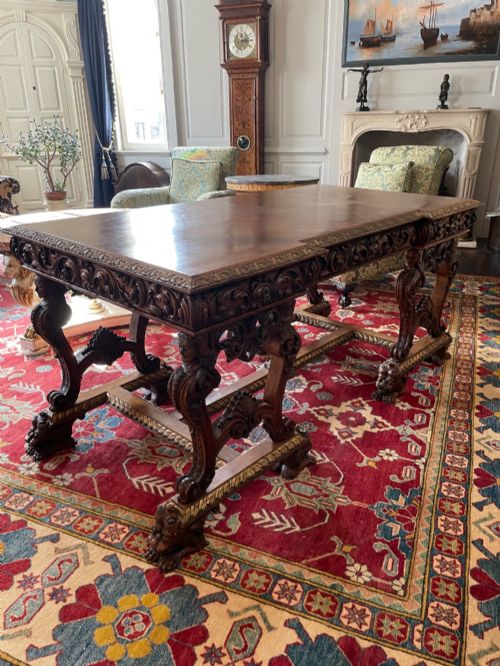
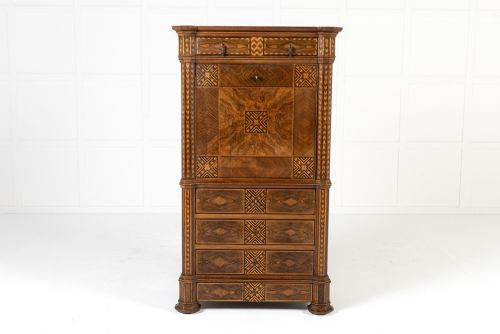
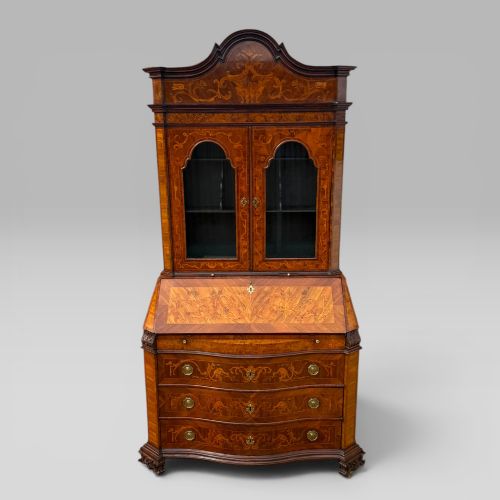
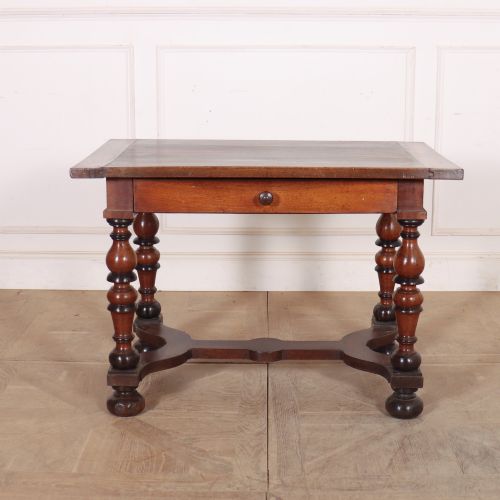
When you search for an italian walnut writing desk, you encounter substantial furniture items spanning several centuries of European craftsmanship. The selection encompasses grand bureau bookcases alongside simpler side tables and library tables adapted for writing.
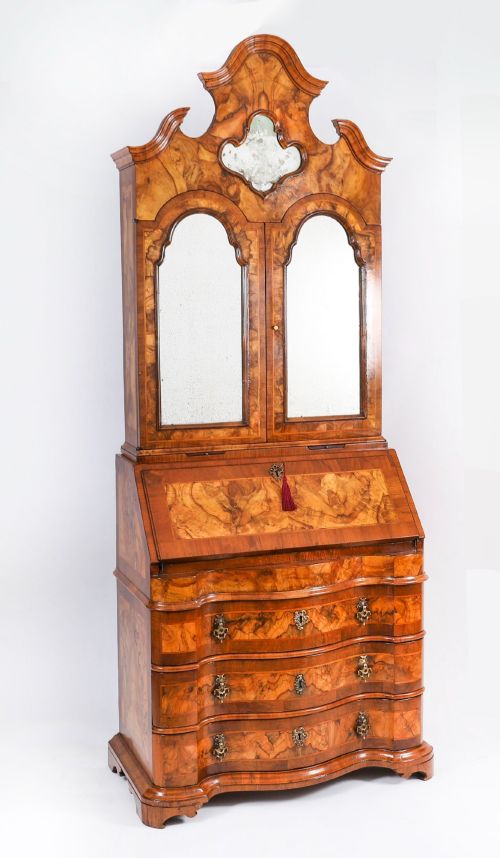
The pieces on this page lean heavily towards eighteenth-century examples and nineteenth-century revivals. You are most likely to meet elaborate bureau cabinets and bureau bookcases featuring marquetry, alongside straightforward walnut desks from the Victorian era.
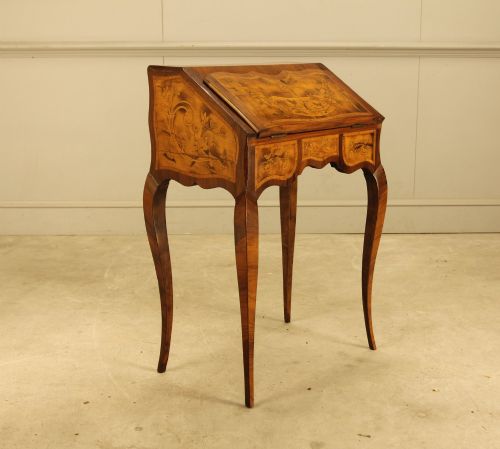
Origins range across Italy, with Venetian pieces appearing frequently among the listings. Forms vary from monumental double dome bookcases down to compact ladies writing cabinets.
What varies in quality
Quality rests primarily in the ambition of the design and the skill of the execution, from simple side tables to intricate bureau bookcases with extensive marquetry. The handling of carved details and the choice of burr walnut veneer distinguish exceptional cabinet work from standard production.
The sophistication of the internal compartments and the precision of the joinery mark the difference between master workshops and provincial output. Surviving original hardware and untouched timber surfaces elevate an example above heavily restored items.
Italian Walnut Writing Desk Retail Price Guide 2026
Typical asking prices for italian walnut writing desk among the pieces listed under this phrase on Sellingantiques today, from the lower quarter to the upper quarter. They describe what is for sale here now, not the wider market.
Some bureau bookcases hid secret compartments behind dummy drawer fronts for storing love letters and private coin collections out of sight.
Adriano Brambilla·Angiolo Barbetti Firenze
The Italian Walnut Writing Desk Glossary
- Marquetry
- Decorative patterns formed by fitting together thin slices of wood and other materials onto a structural surface. This technique creates elaborate pictorial or geometric scenes on desk lids and cabinet doors.
- Burr walnut
- Timber harvested from growths on walnut trees, yielding highly figured and swirling grain patterns. Cabinet-makers prized this material for the striking visual movement it brought to prominent surfaces.
- Bureau bookcase
- A dual-function piece combining a sloping writing desk below with shelving enclosed by doors above. Eighteenth-century examples often feature double dome tops and fitted interiors.
- Secretaire
- A specialised desk featuring a pull-down writing flap that conceals smaller drawers and pigeonholes. It allows correspondence materials to be tucked away neatly when not in use.
- Fruitwood
- Dense timber gathered from fruit-bearing trees, utilised for contrasting inlay work and fine details alongside walnut. Its pale tone provides sharp definition against darker veneers.
Italian Walnut Writing Desk: Frequently Asked Questions
How do I date an italian walnut writing desk?
Dating relies on examining the construction methods, hardware, and stylistic indicators such as Renaissance Revival or Venetian Rococo motifs. Eighteenth-century pieces typically show hand-cut dovetails and older timber preparation compared to nineteenth-century interpretations.
Cabinet-makers of different periods applied distinct veneer thicknesses and finishing techniques. Comparing the secondary timbers and the style of interior drawers helps narrow down the decade of production.
What is the difference between a bureau and a desk?
A bureau traditionally incorporates a hinged sloping flap that opens to reveal a fitted interior of small drawers and pigeonholes. A desk usually refers to a flat-topped table or partner's table designed specifically for writing.
Many antique examples blur these definitions by offering pull-out writing surfaces within side tables or cabinet structures. The specific form depends on whether the maker prioritized enclosed storage or open workspace.
How should I care for walnut furniture?
Walnut benefits from stable room environments away from direct sunlight and extreme humidity changes. Regular dusting with a soft cloth preserves the timber without requiring heavy chemical polishes.
Applying a traditional wax occasionally helps nourish the burr walnut veneer and maintain the natural lustre of the wood. Avoid placing hot items or liquids directly onto the leather inserts or polished timber surfaces.
Where were these pieces made in Italy?
Production centres included Venice, Florence, and other major artisan hubs known for distinct regional furniture styles. Venetian workshops frequently produced elaborate bureau bookcases featuring intricate marquetry and painted or gilt details.
Florence became renowned for grand carved walnut library tables and exhibition pieces associated with master carvers. Provincial makers also contributed simpler side tables and writing desks using local walnut stocks.
Are these desks suitable for daily use?
Many antique writing desks function well for modern laptop use or correspondence, provided the writing surface is sturdy. Leather inserts and fold-down flaps offer practical areas for writing when treated with reasonable care.
Compact ladies writing cabinets and side tables adapt easily to contemporary living spaces as functional writing stations. Larger bureau bookcases provide substantial storage alongside a dedicated workspace.