



Italian Walnut Cabinet
An italian walnut cabinet brings deep timber grain and classical proportion into a room, spanning centuries of regional cabinet-making from baroque sideboards to art deco bedside pieces.
Italian Walnut Cabinet
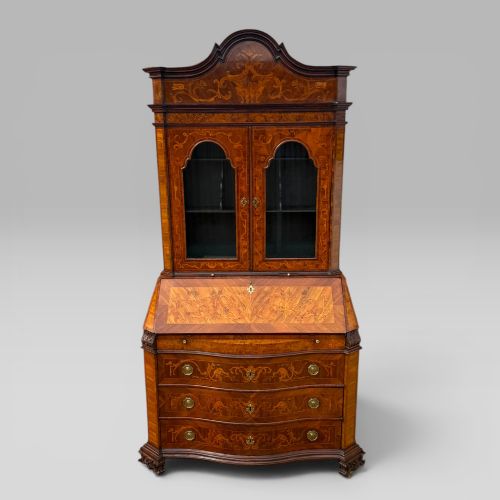
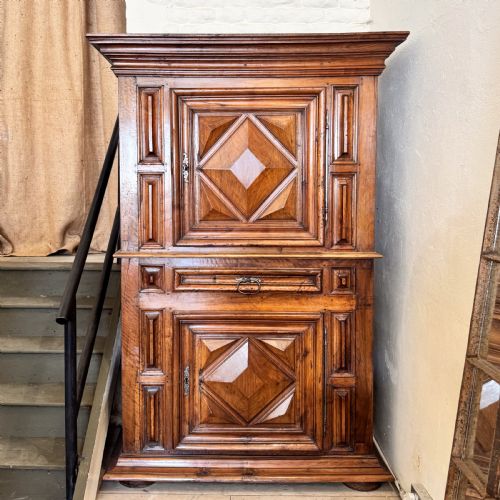
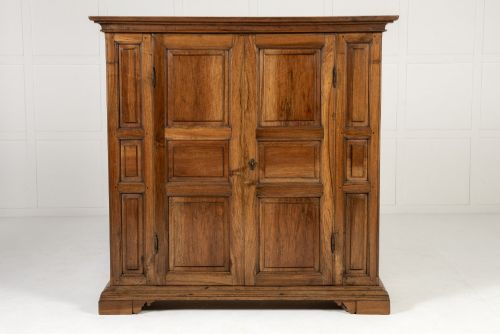
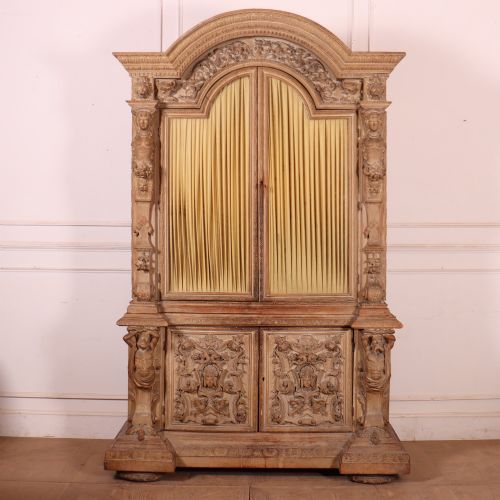
An italian walnut cabinet encompasses a diverse range of forms, from grand seventeenth-century baroque storage units and eighteenth-century bureau bookcases to compact art deco bedside tables.
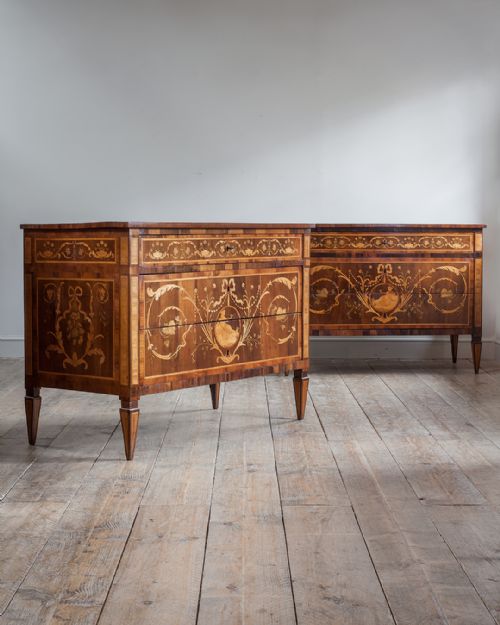
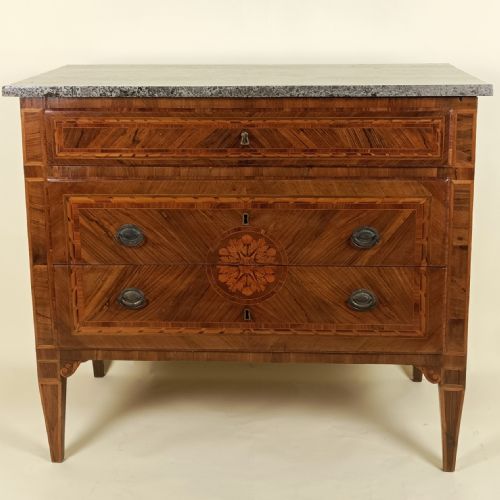
The selections on this page draw heavily from eighteenth-century commodes and bureau cabinets, alongside nineteenth-century revival sideboards and twentieth-century walnut nightstands.
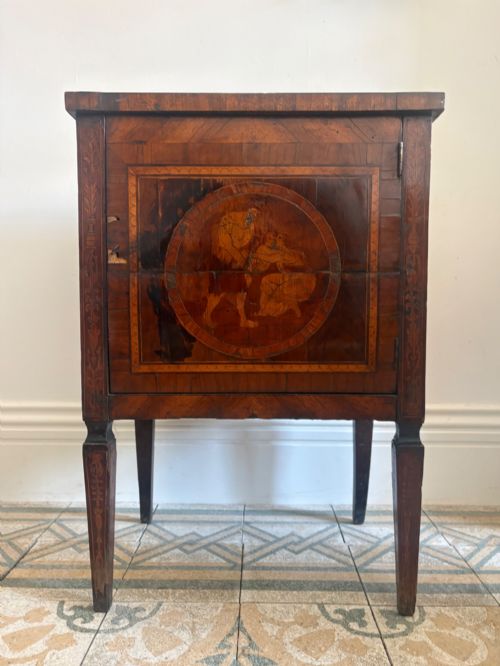
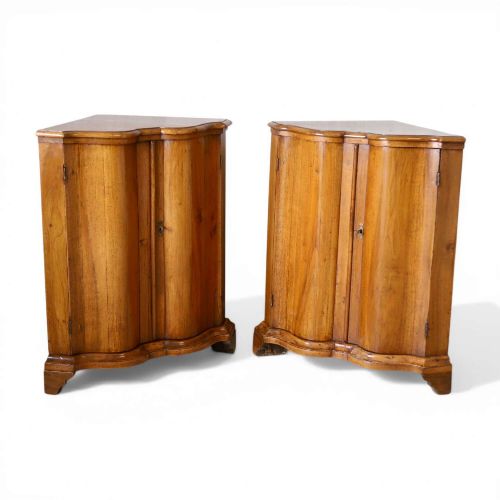
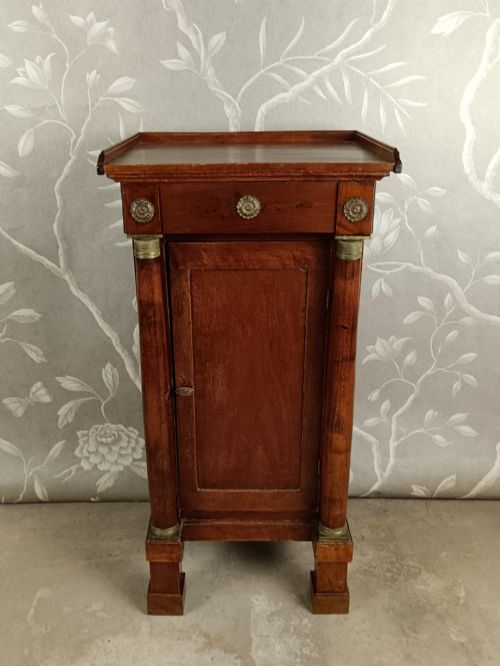
Regional variations appear across the inventory, including Venetian marquetry, Lombardy neoclassical chests, and Tuscan pedestal cupboards constructed in solid and veneered walnut.
How They Were Made
Carpenters utilised solid walnut and figured burr walnut veneers, frequently combined with contrasting fruitwoods, kingwood, and tulipwood for detailed marquetry and inlay work.
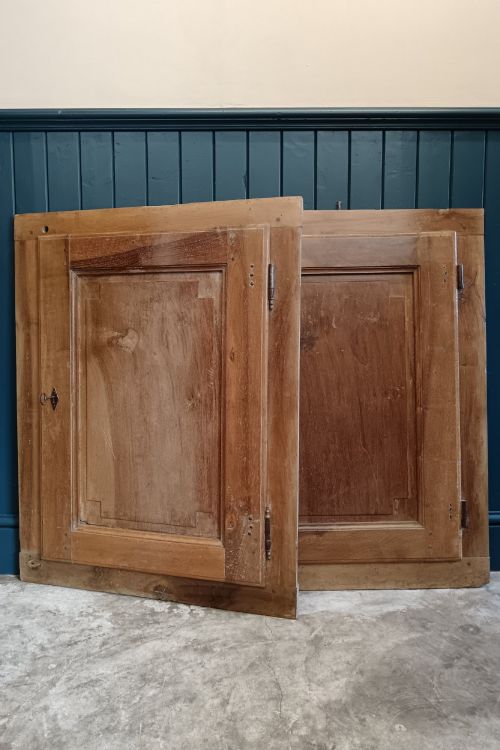
Structural elements incorporated brass hardware, marble tops, and glass panels, while carved surfaces demonstrated traditional joinery methods suited to domestic storage and display.
Secret drawers tucked behind classical columns kept love letters safe from prying eyes.
What Varies in Quality
The standard of execution depends heavily on the precision of the marquetry, the symmetry of the wood grain selection, and the depth of the carved ornamentation.
Pieces originating from exhibition makers or specific regional workshops display superior structural integrity and refined proportions compared to standard commercial outputs.
Pietro Ferrario·Adriano Brambilla
The Italian Walnut Cabinet Glossary
- Marquetry
- Decorative patterns formed by fitting together small pieces of veneered wood into larger designs. This technique is frequently seen on eighteenth-century surfaces.
- Commode
- A low chest of drawers designed for domestic storage. Many examples feature serpentine or bombe shaping.
- Bureau Bookcase
- A dual-purpose furniture form featuring a sloping writing flap above drawers and enclosed shelving above. These often incorporate double-dome tops.
- Vitrine
- A glass-fronted cabinet designed for displaying porcelain and small objects. These showcase framed panes and polished timber frames.
- Credenza
- A sideboard or buffet used for storage and serving. The form evolved through various revival styles during the nineteenth century.
Italian Walnut Cabinet: Frequently Asked Questions
How do I date an italian walnut cabinet?
Dating relies upon stylistic markers such as baroque carving, neoclassical symmetry, or art deco geometric forms. Construction details and wood types further clarify the period of production.
Examining secondary timbers and joinery methods helps confirm whether a piece belongs to the seventeenth, eighteenth, or twentieth century.
What rooms suit an italian walnut cabinet?
These cabinets adapt well to living spaces, dining rooms, and bedrooms depending on their scale. Sideboards and bureau bookcases anchor larger reception rooms.
Smaller bedside units and nightstands fit comfortably beside contemporary or traditional beds.
Are marble tops original to these cabinets?
Marble tops frequently appear on nineteenth and twentieth-century bedside tables and commodes. They provided a durable, decorative surface for daily use.
Inspection of the rebate and edge profiles indicates whether the stone corresponds to the original construction date.
What is the difference between a commode and a cabinet?
A commode specifically denotes a low chest of drawers, often featuring shaped fronts and decorative marquetry. Cabinets generally enclose shelf space behind doors.
Many regional variations blur these distinctions through hybrid forms incorporating both drawers and cupboards.