




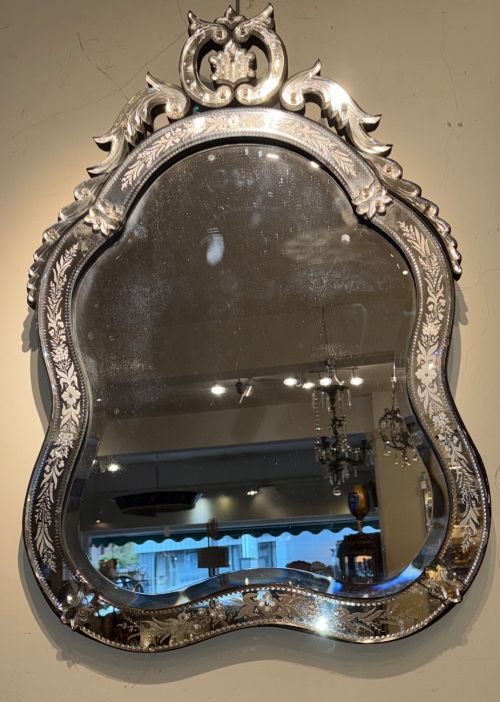
Italian Style Wall Mirror
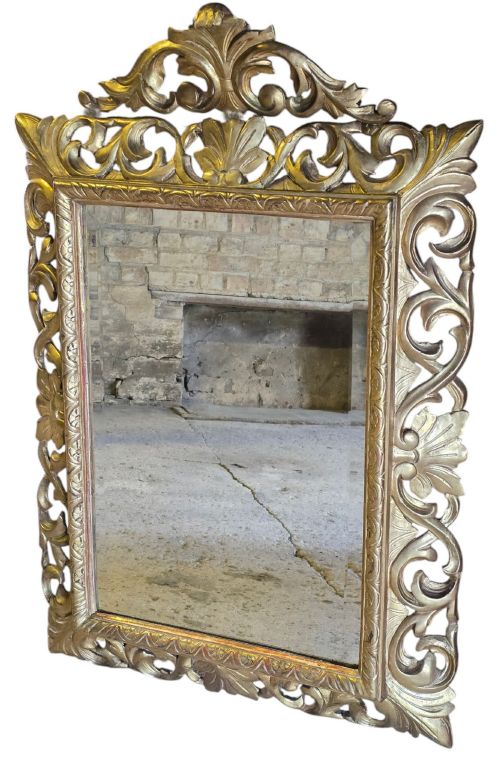
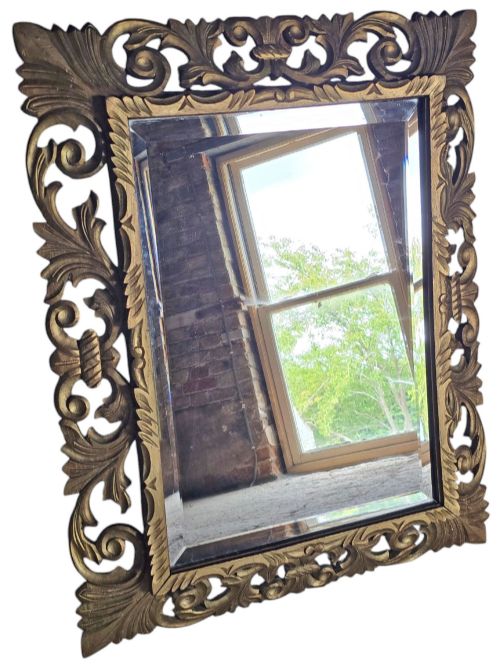
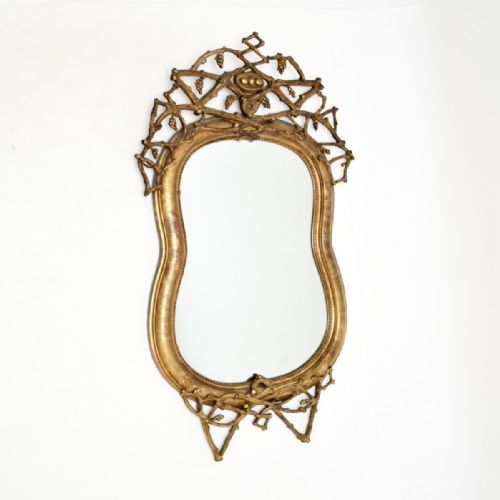
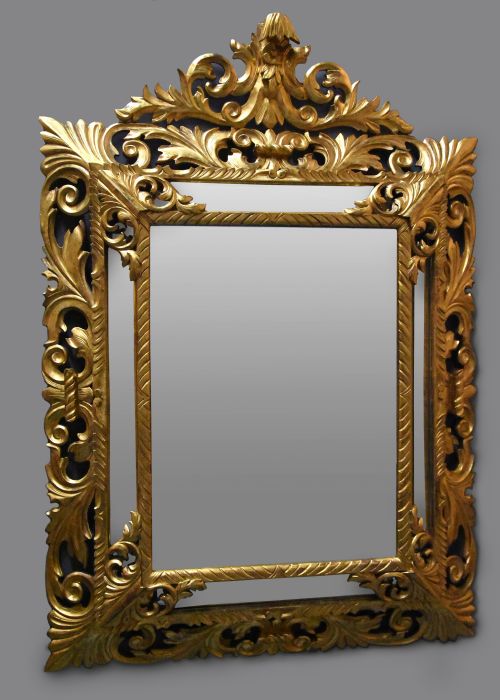
An italian style wall mirror brings dramatic carved giltwood, ornate scrollwork and antique glass into a room.
Italian Style Wall Mirror
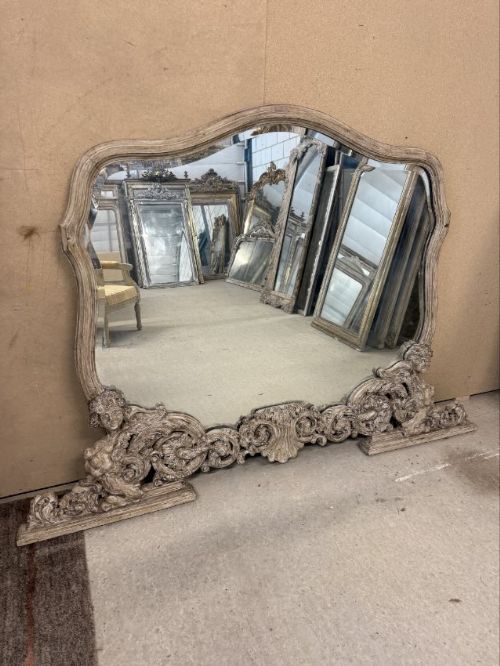
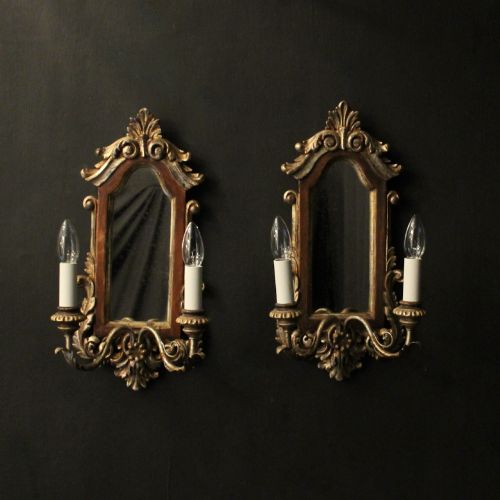
An italian style wall mirror encompasses grand overmantels, cushion mirrors and ornate girandoles originating from various centuries. Buyers searching this phrase seek decorative statement pieces designed to catch and reflect light in principal rooms.
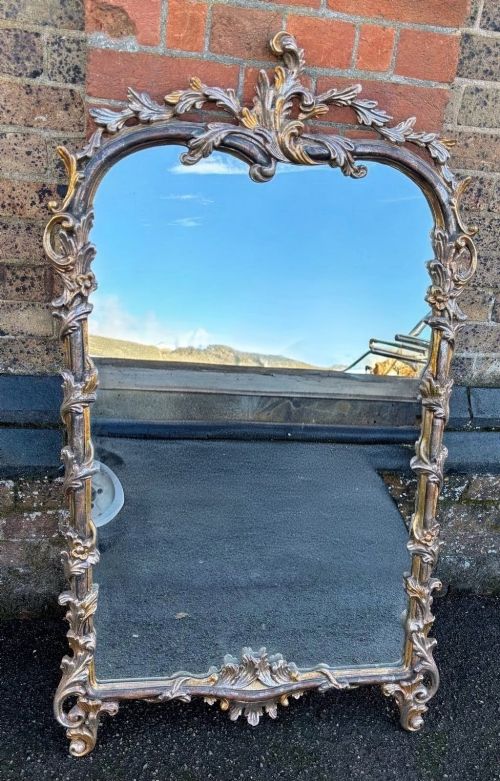
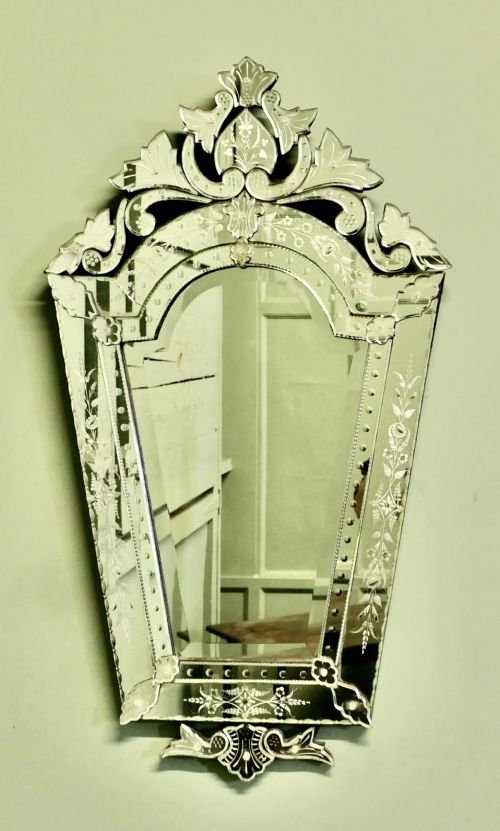
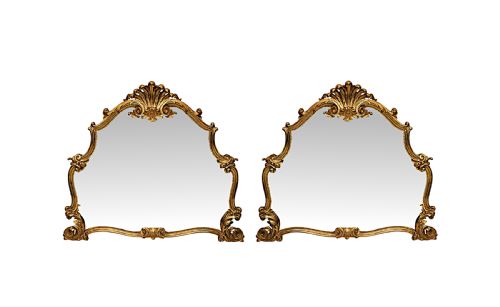
The selection on this page leans heavily toward nineteenth century giltwood and carved wood examples. Florentine and Venetian influences dominate the forms, offering intricate foliage, rococo scrolls and cushion frames.
Alongside wall mirrors, the category includes pier mirrors, console tables and picture frames sharing the same regional aesthetic. These items range from small domestic frames to massive architectural glasses suited for period properties.
How they were made
Makers shaped solid timber and applied layers of gesso before gilding the surfaces with gold leaf or metal leaf. Carved wood details required steady handwork to achieve the deep relief seen on Florentine and rococo frames.
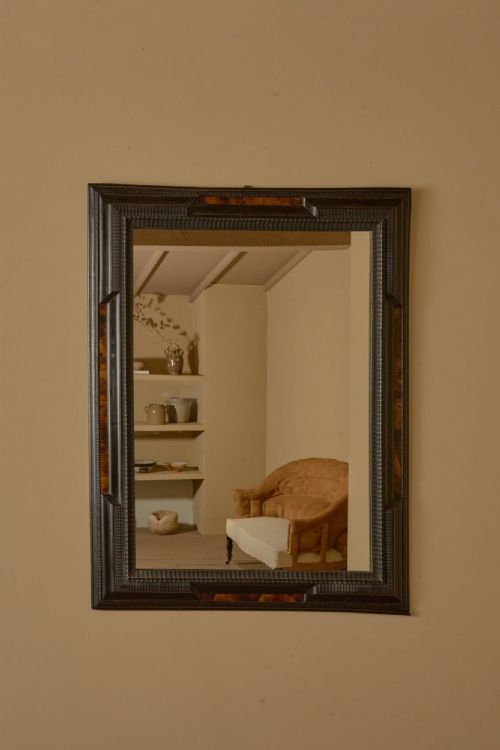
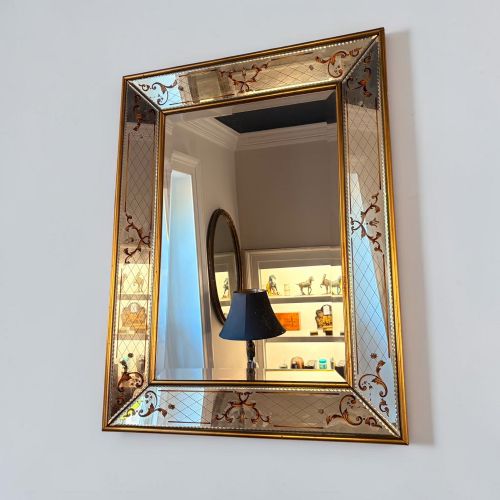
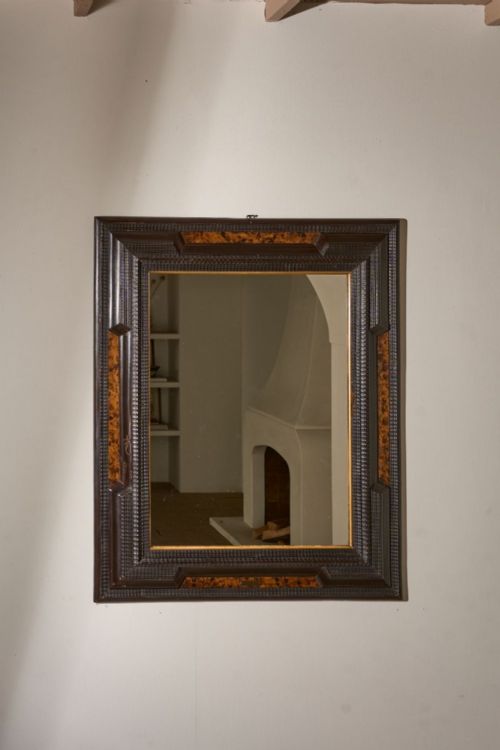
Venetian examples often utilised mirror glass plates set into segmented frames with engraved decorations. Ebonised finishes and faux tortoiseshell surfaces appear alongside traditional giltwood, demonstrating material variety within the craft.
Italian Style Wall Mirror Retail Price Guide 2026
Typical asking prices for italian style wall mirror among the pieces listed under this phrase on Sellingantiques today, from the lower quarter to the upper quarter. They describe what is for sale here now, not the wider market.
Listings feature items spanning from the seventeenth century through the Victorian era, utilising materials such as gesso, walnut, and mirror glass.
What varies in quality
The depth and crispness of the hand carving separate standard pieces from exceptional examples. Superior items display undercut foliage and refined scrolls that maintain their definition beneath layers of historic gilding.
The preservation of the original mirror glass and the integrity of the giltwood surface dictate the standing of a piece. Finer mirrors retain their historic reflective plates and authentic gesso layers without heavy modern interventions.
The Italian Style Wall Mirror Glossary
- Giltwood
- Wood that has been coated with gold leaf or metal leaf over a prepared gesso ground. This finish provides the characteristic metallic gleam on antique frames.
- Gesso
- A plaster mixture applied to carved wood to create a smooth surface for gilding. It holds fine detail for intricate ornamental work.
- Girandole
- A decorative wall mirror fitted with candle arms attached to the frame. These fixtures multiplied candlelight within eighteenth and nineteenth century interiors.
- Cushion mirror
- A frame profile where the outer edge slopes inward toward the glass plate in a convex shape. This style creates a pronounced three-dimensional effect on the wall.
- Pier mirror
- A tall glass designed to hang on the narrow wall section between windows. They often sat above matching console tables to balance the room.
Italian Style Wall Mirror: Frequently Asked Questions
How do I hang a heavy giltwood mirror?
Heavy carved wood frames require secure wall fixings anchored directly into masonry or substantial timber studs. Professional mirror hangers utilise heavy-duty brackets to distribute the weight evenly.
Position the glass at eye level to ensure proper balance within the room. Overmantel mirrors rest safely above fireplace surrounds when secured with appropriate wall brackets.
How do I clean antique mirror glass?
Clean antique mirror plates gently using a soft microfibre cloth and mild soapy water applied sparingly. Avoid harsh chemical cleaners that can damage the surrounding giltwood or seep behind the glass.
Take care near the edges where silvering often deteriorates with age. Gentle dusting keeps the carved frame free from particle buildup without harming the historic finish.
Where should I place an overmantel mirror?
An overmantel mirror hangs naturally directly above a fireplace mantelpiece to anchor the focal point of the room. The proportions should match or sit slightly narrower than the width of the fireplace surround.
Placing the glass opposite a window maximises natural light reflection across the space. These large frames work well in both traditional drawing rooms and modern dining areas.