





Italian Style Centre Table
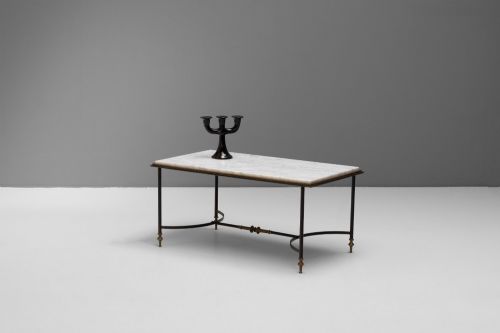
An italian style centre table anchors a room with classical presence, offering a surface of marble, walnut or giltwood shaped by centuries of southern European craft.
Italian Style Centre Table
An italian style centre table spans centuries of design, encompassing formal forms from the eighteenth century alongside twentieth-century iterations like coffee tables and occasional tables. Buyers inspecting this selection encounter heavy timber frames, carved supports, and decorative stone surfaces derived from classical traditions.
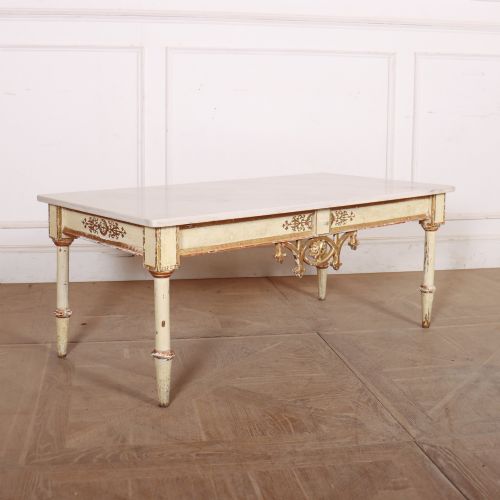
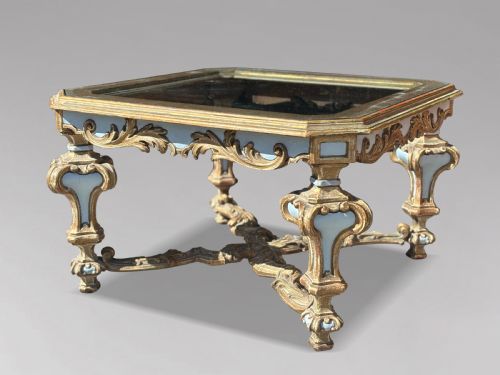
The pieces appearing on this page range from walnut and mahogany frameworks to painted wood and gilt finishes. Forms vary between grand centre tables, low coffee tables, tilt-top examples, and smaller side tables.
Origins stretch across specific regional revivals, including Venetian styles, baroque flourishes, and neoclassical schemes. Pieces often incorporate mixed media, pairing carved wood with marble, onyx, or glass.
Materials and Construction
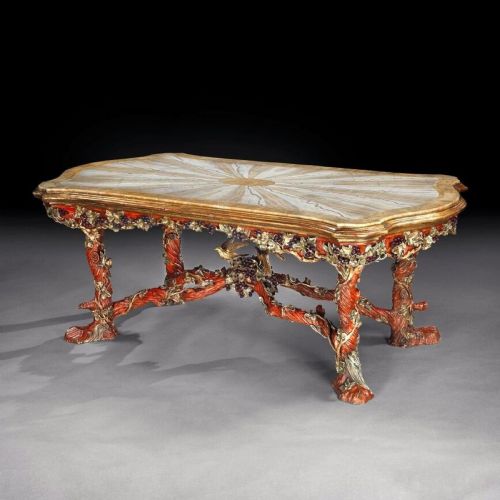
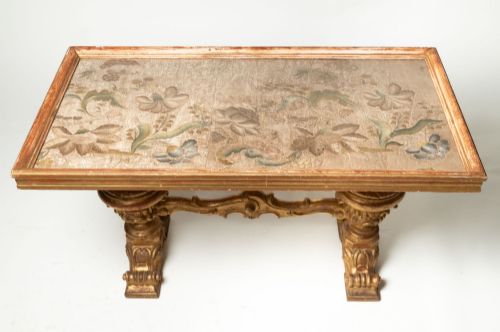
Construction relies heavily on traditional hardwoods such as walnut and mahogany, often shaped through intricate carving, polychrome decoration, or giltwood application. Artisans utilised gold leaf and painted finishes to elevate the timber frames of baroque and rococo revival examples.
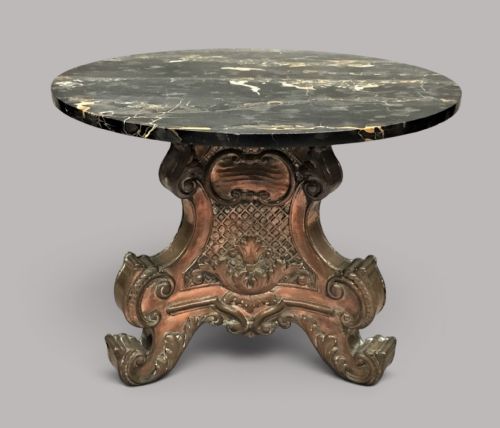
Surface decoration defines a significant portion of these tables, employing marble, onyx, pietra dura specimen work, and glass. Stonework is frequently set directly into carved wooden bases, occasionally supported by figural elements like gilt metal dolphins.
Italian Style Centre Table Retail Price Guide 2026
Typical asking prices for italian style centre table among the pieces listed under this phrase on Sellingantiques today, from the lower quarter to the upper quarter. They describe what is for sale here now, not the wider market.
The listings span from the eighteenth century through the 1950s, uniting walnut, marble, and giltwood forms under classic Italian design influences.
Assessing Quality
The distinction between tiers rests upon the execution of the carving and the selection of materials. Superior examples feature deeply hand-carved wooden elements, robust walnut structures, and substantial marble or meticulously assembled pietra dura tops rather than simpler painted veneers.
Detailing in finish work also separates standard pieces from finer ones. Applied gold leaf, intricate polychrome work, and integrated decorative panels such as hand-painted majolica indicate higher levels of artisan involvement during production.
Amleto Bertoni·Harrods·B Battioli, Varese
The Italian Style Centre Table Glossary
- Pietra dura
- An inlay technique using cut and fitted polished coloured stones to create geometric or pictorial images. This method appears on grand table tops depicting subjects such as birds and botanical specimens.
- Giltwood
- Wood that has been treated with a thin layer of gold leaf or gold paint. It provides a luminous, reflective surface frequently utilised in baroque and neoclassical furniture.
- Majolica
- Tin-glazed earthenware associated with Italian ceramic traditions. Pieces incorporated into tables display colourful hand-painted designs under a glossy glaze.
- Tilt top
- A table mechanism allowing the surface to pivot into a vertical position when not in use. This construction is commonly found on eighteenth-century walnut examples.
- Polychrome
- The practice of decorating architectural elements or furniture in a variety of colours. Painted tables often employ this technique to achieve decorative floral or scenic motifs.
Italian Style Centre Table: Frequently Asked Questions
How do I clean a marble table top?
Marble surfaces require gentle cleaning with a soft cloth and warm water, avoiding acidic substances that can etch the stone. Regular dusting helps maintain the polish on antique tops.
Heavier marks or stubborn grime call for specialised stone cleaners rather than household detergents, which might damage the sealant or the underlying material.
Where should I place a centre table?
These tables function best in principal reception rooms or large hallways where they can be viewed from multiple angles. Their decorative bases and detailed tops make them suitable as focal points.
Care should be taken to ensure adequate clearance around the piece so that carved details and heavier marble or walnut frames remain visible and unobstructed.
What is the difference between baroque and neoclassical styles?
Baroque design employs exuberant curves, dramatic carving, and rich ornamentation such as heavy gilding and complex scrollwork. It creates a sense of movement and grand scale.
Neoclassical furniture leans towards restraint, drawing inspiration from classical antiquity with straighter lines, balanced proportions, and symmetrical geometric motifs.
Can I use a coffee table version for daily dining?
Most variants listed as coffee tables or low centre tables sit too low for standard dining chairs. They suit lounge seating areas for holding books, decorative objects, or drinks.
Dining table heights appear separately in the selection and are constructed to accommodate seating comfortably during meals.