





Italian School Portrait Painting
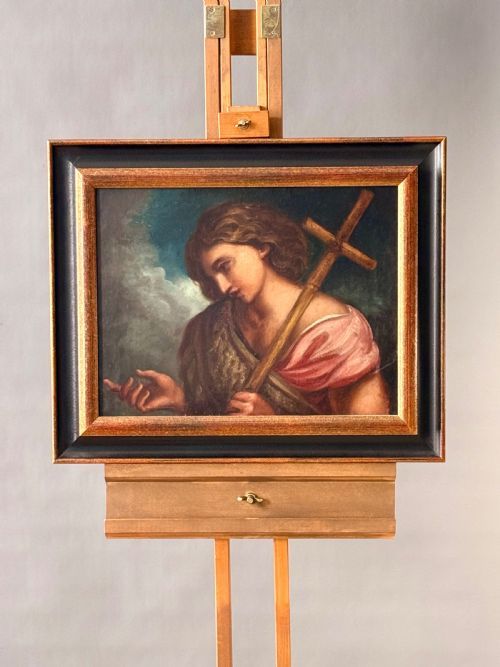
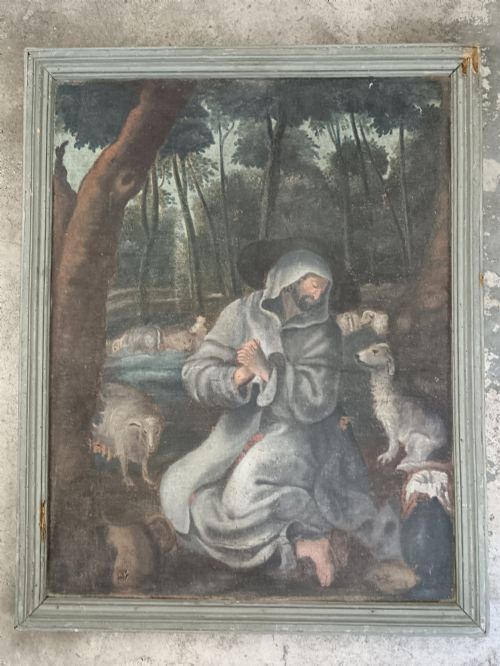
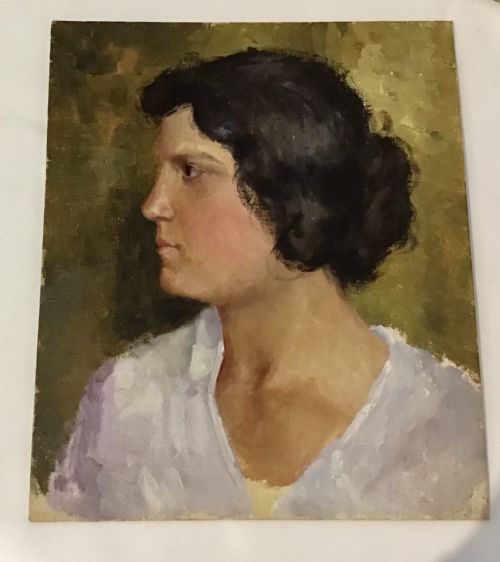
An italian school portrait painting carries centuries of regional artistry, capturing sacred figures and noble sitters through oil and canvas.
Italian School Portrait Painting
An italian school portrait painting encompasses historic works originating from regional Italian artistic centres, depicting religious figures, saints, and noble subjects. The selection spans the sixteenth century through to the twentieth century, reflecting shifting regional aesthetics across different periods. Buyers frequently encounter nineteenth-century interpretations alongside earlier seventeenth and eighteenth-century compositions.
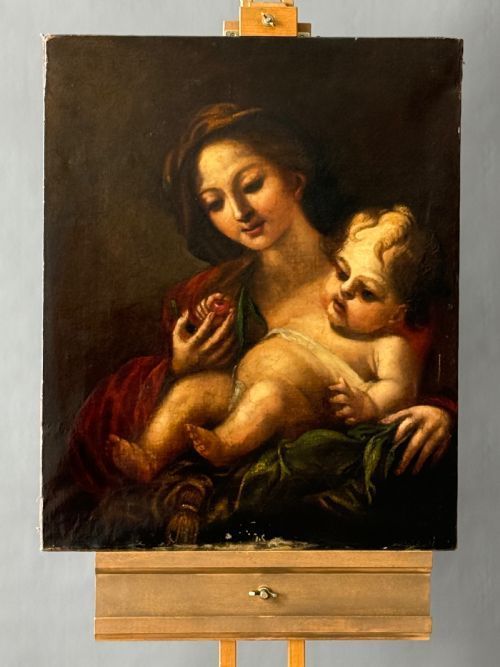
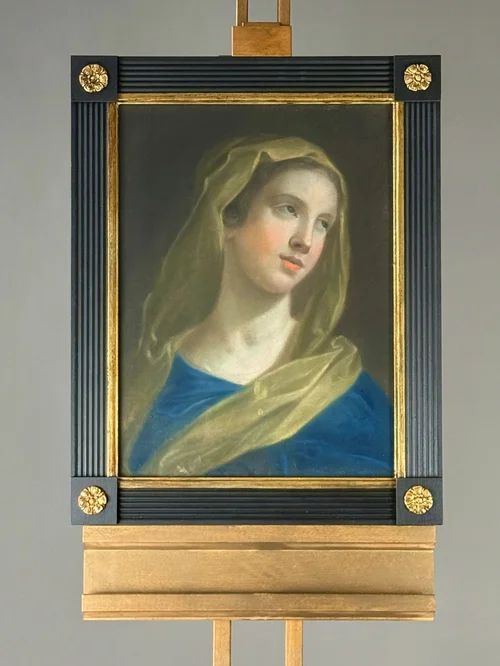
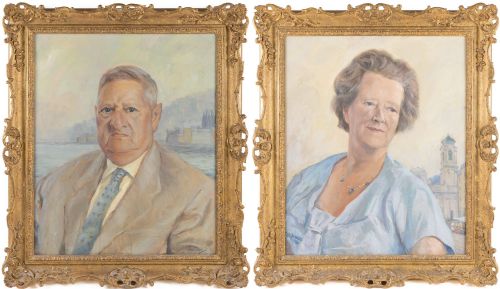
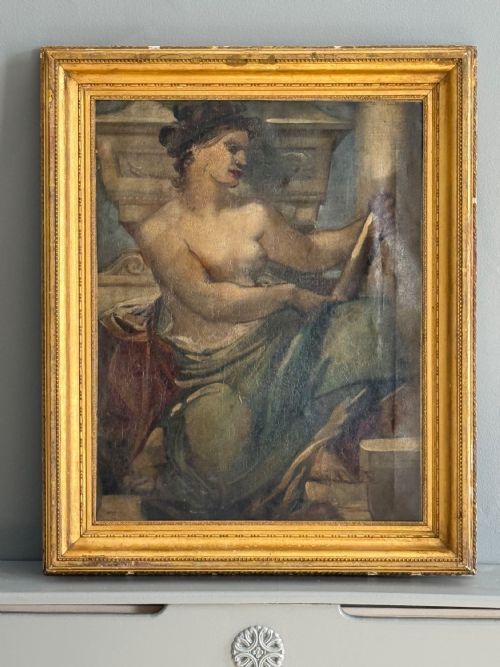
Subjects range from traditional representations of the Madonna and saints to secular depictions of young women, fishermen, and philosophers. Many pieces reflect the influence of major historical masters, rendered either directly or through later studio circles and revival movements. Format choices include traditional oil on canvas, wood panels, and delicate watercolours or pastels housed in gilt frames.
Materials and construction methods
Traditional works rely heavily on oil paint applied to stretched canvas or prepared wood panels, sometimes incorporating gold leaf for decorative highlights. Artisans employed layered glazing techniques to build depth and luminosity, particularly in historical religious iconography and portrait studies.
Frames play an integral role in presentation, frequently utilising carved gesso and giltwood, including swept frame designs. Pastels and watercolours utilise paper supports, preserving fine detail in nineteenth-century figurative studies.
Several saints, philosophers, and even a tailor gaze out across the centuries from these canvases.
Distinctions in quality and execution
The integrity of the underlying support and the preservation of the original paint surface influence the overall standing of a piece. Works retaining undisturbed craquelure and minimal overpainting command greater regard among collectors.
Benedetto Luti·Vincenzo Irolli·Federico Andreotti
The Italian School Portrait Painting Glossary
- Pentimento
- A visible trace of an earlier painting, brushstroke, or contour that the artist has painted over. This alteration indicates the evolving composition of the artwork during creation.
- Circle of
- A term denoting an artist working during the same period and in close proximity to a master, sharing a similar style. It suggests influence rather than direct authorship by the master.
- Giltwood
- Wood that has been carved and coated with a thin layer of gold leaf or gold paint. This technique was widely utilised for ornate antique picture frames.
- Tondo
- A Renaissance term for a circular work of art, whether a painting or a sculpture. These circular compositions often framed religious portraits.
- Old master
- A term applied to European painters of skill working before the nineteenth century. These practitioners formed the foundation of traditional academic painting.
Italian School Portrait Painting: Frequently Asked Questions
What defines an old master work?
Old master paintings originate from the European tradition prior to the nineteenth century, often reflecting regional academic training. These pieces frequently depict religious narratives or formal portraiture.
Techniques involve layered oil application on canvas or wood panel, showcasing sophisticated handling of light and shadow. Their enduring appeal lies in their historical connection to established European artistic movements.
How do I identify a revival piece?
Revival works emulate the distinct stylistic qualities of earlier historical periods, such as the Renaissance or Baroque eras. Painters during the nineteenth century frequently revisited these older aesthetic traditions.
Clues lie in the material preparation, canvas ageing, and framing styles that combine historicist imagery with nineteenth-century execution methods. These pieces offer the visual richness of earlier eras with distinct period framing.
Where should I hang these portraits?
These historical artworks suit spaces with stable temperature and humidity away from direct sunlight. Proper placement protects fragile canvas and giltwood frames from environmental damage.
Pairing them with traditional interiors highlights their rich colour palettes and ornate framing details. Adequate wall lighting enhances the subtle glazing and brushwork inherent in oil portraits.